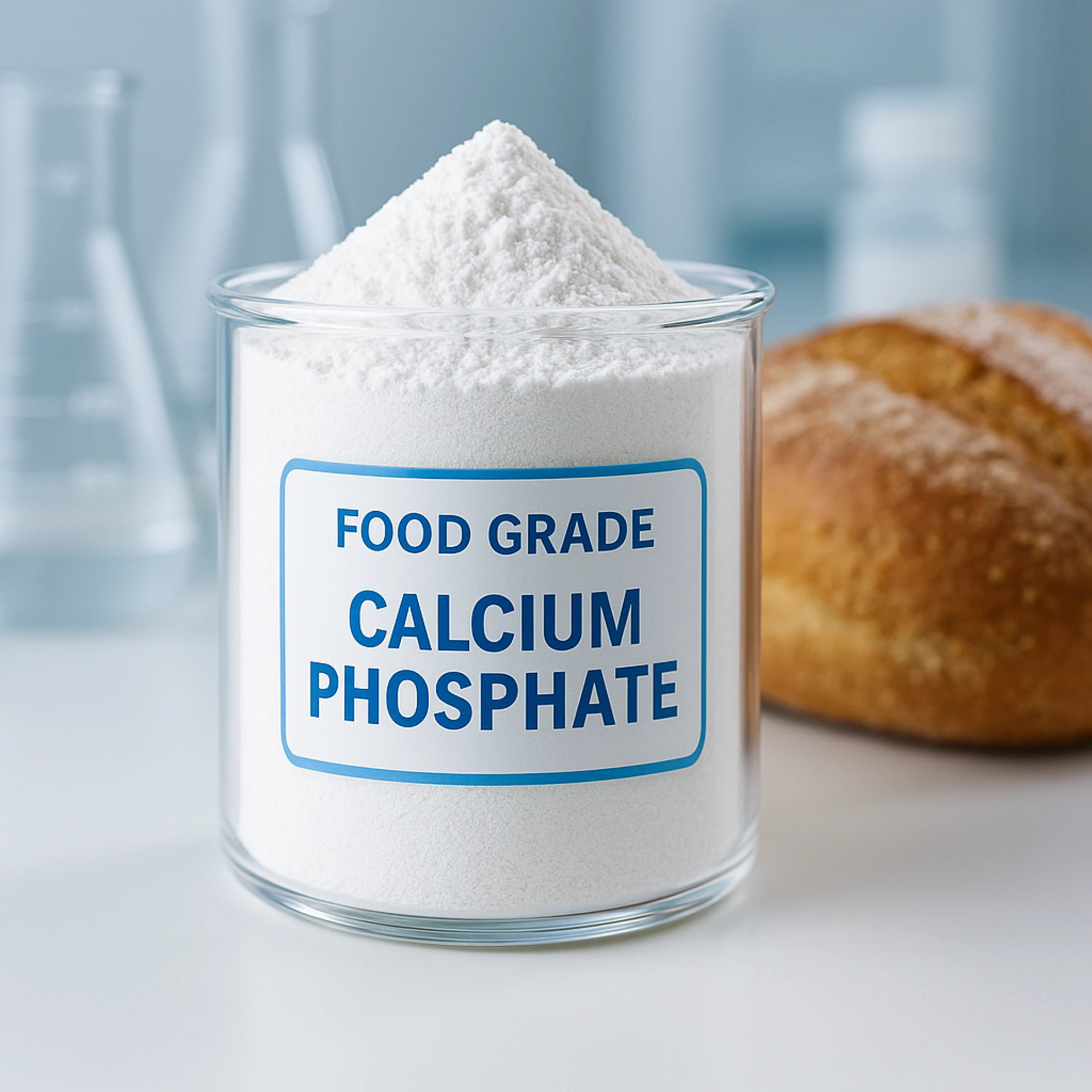
Food Grade Calcium Phosphate Market is moving from a technical ingredient to a quiet hero in many people’s daily diets. Parents reach for fortified juices and cereals to support their children’s bone health, athletes choose protein-rich snacks and beverages, and older adults look for products that help maintain mobility and strength—all of which often rely on calcium phosphate to deliver stable texture and bioavailable minerals.
For food manufacturers, this ingredient represents more than a functional additive. It helps them respond to rising expectations around nutrition, safety, and label transparency, while maintaining the taste and mouthfeel that consumers love in bakery, dairy, confectionery, and convenience foods. At the same time, producers are navigating tighter regulatory standards, cost pressure on raw materials, and the need to localize supply chains in a volatile global environment.
As markets head toward 2031, food grade calcium phosphate is set to play a pivotal role in the next generation of fortified, plant-based, and better-for-you foods, connecting consumer wellbeing with resilient, innovation-driven supply chains.
Global and regional outlook
The global landscape for food grade calcium phosphate is influenced by differences in dietary habits, income levels, and regulatory regimes, creating distinct regional opportunity profiles. Across regions, the common thread is rising awareness of nutrition and the role of minerals like calcium and phosphorus in long-term bone, muscle, and metabolic health.
- North America: This region benefits from strong demand for fortified foods, dietary supplements, and functional beverages, underpinned by high consumer health awareness and rigorous food safety standards. Brand owners here increasingly use calcium phosphate as a multifunctional ingredient that supports both nutrition and texture in premium bakery, sports nutrition, and dairy products.
- Europe: European manufacturers are balancing clean-label and sustainability expectations with advanced food science, driving use of calcium phosphate in fortified breads, dairy alternatives, and specialized nutrition for children and seniors. Evolving EU regulations on additives, labelling, and sustainability are encouraging more transparent sourcing and tighter process controls.
- Asia Pacific: Rapid urbanization, changing diets, and a rising middle class are fueling consumption of packaged foods, bakery items, and fortified beverages in markets such as China, India, and Southeast Asia. Domestic producers are expanding capacity and leveraging cost-effective production to serve both local demand and export opportunities, especially in value-added bakery and nutritional products.
- Latin America, Middle East & Africa: These regions show growing interest in nutritional fortification programs and affordable packaged foods, opening new channels for food grade calcium phosphate in staples and mainstream brands. Partnerships between global ingredient suppliers and regional manufacturers are helping to adapt formulations to local tastes, price points, and regulatory conditions.
Updated industry developments and trends
· Recent analyses highlight that food grade and related calcium phosphate segments are adapting to shifting economic and policy conditions, including tariff changes under new administrations, inflation pressure, and ongoing supply chain disruptions. Producers are responding by reinforcing domestic sourcing, investing in logistics resilience, and exploring strategic acquisitions of upstream suppliers to secure long-term supply and mitigate risk.
· At the product level, there is a clear move toward more specialized grades that combine functional performance—such as leavening, texturizing, and stabilization—with enhanced nutritional positioning and tighter impurity control. Sustainability is also rising on the agenda, with manufacturers exploring lower-impact processing, more efficient resource use, and packaging innovations aligned with circular economy goals.
Strategic viewpoint for stakeholders
· For ingredient producers, the coming years offer a window to differentiate through technical support, co-creation with food brands, and guidance on regulatory compliance across multiple regions. Food manufacturers, in turn, can use food grade calcium phosphate strategically to reformulate legacy products, launch new fortified lines, and support consumer-friendly labels without sacrificing taste or texture.
· By 2031, organizations that align their calcium phosphate strategies with consumer health priorities, resilient sourcing, and region-specific innovation are expected to be best positioned—delivering foods that feel familiar, taste satisfying, and quietly contribute to everyday wellbeing.
Source: https://www.theinsightpartners.com/reports/food-grade-calcium-phosphate-market