The New Era of Food Delivery
Food delivery has evolved from a simple ordering service into a highly digital customer experience. People now discover dishes, compare restaurants, view food images, place orders, make payments, and track deliveries without leaving an app. As expectations continue to rise, food delivery app development is moving beyond basic ordering features toward smarter, more personalized, and trustworthy experiences.
Artificial intelligence is becoming part of this transformation, particularly in areas such as food recommendations, menu content, customer support, and visual presentation. However, as AI-generated food images become more common, questions around authenticity and customer expectations are also gaining attention.
Why Customer Trust Matters in Food Delivery Apps
A customer often decides what to order based on what they see on the screen. Food images, descriptions, ratings, reviews, and pricing all influence that decision. When the delivered meal looks significantly different from its digital representation, it can create disappointment and reduce confidence in the platform.
For food delivery businesses, trust is therefore closely connected to the customer experience. Accurate menus, transparent information, genuine reviews, and realistic food presentation can help customers make better-informed choices.
How AI Is Changing Digital Food Ordering
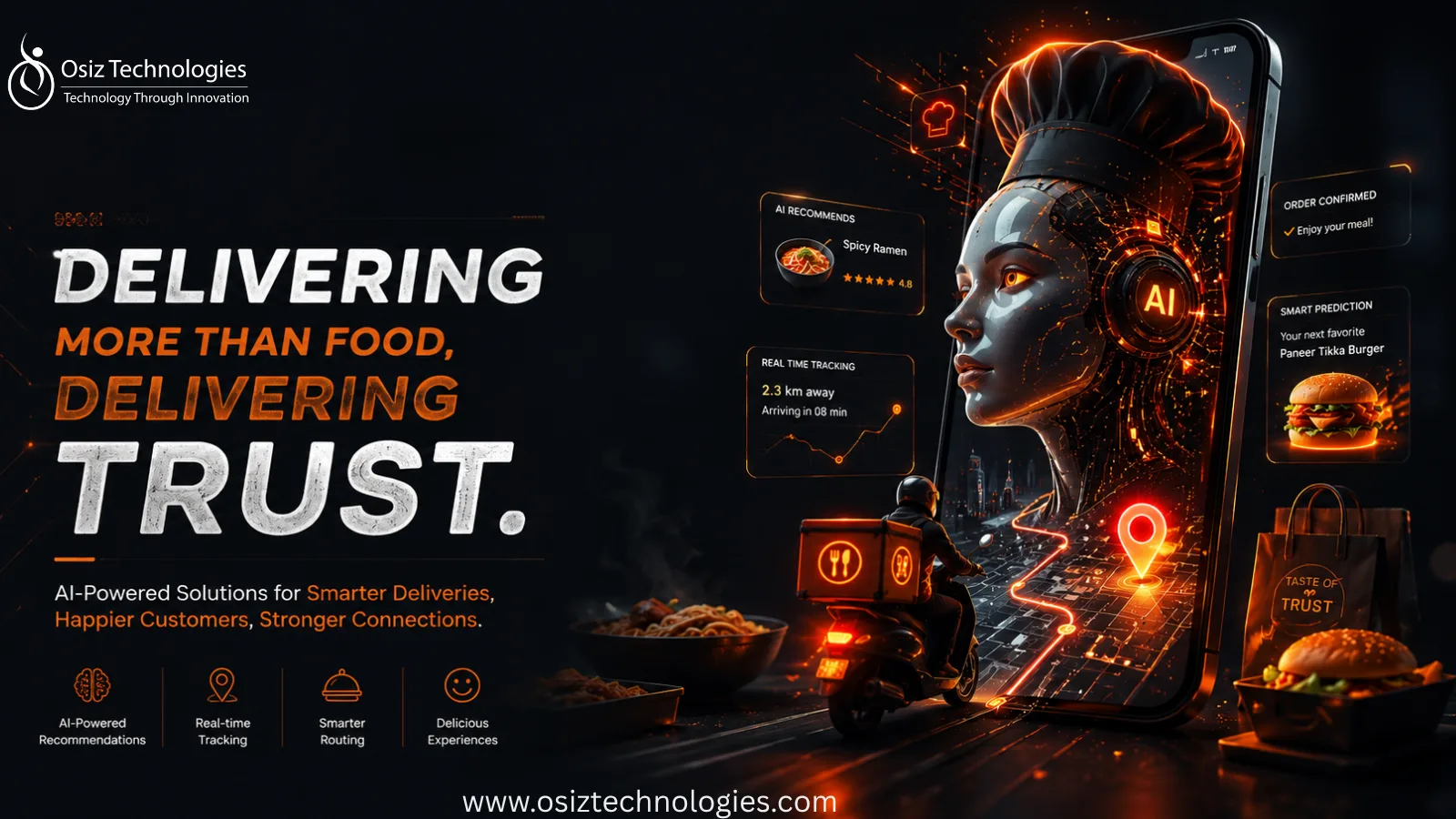
AI is introducing new possibilities throughout the food ordering journey. Recommendation engines can analyze previous orders and browsing behavior to suggest dishes that may interest individual customers.
AI can also assist restaurants with menu descriptions, customer support, demand forecasting, and operational analysis. Instead of treating AI as a standalone feature, food delivery platforms can integrate it into different parts of the ordering ecosystem to make interactions more relevant and efficient.
AI-Generated Food Images and the Customer Experience
Visual content has always played an important role in online food ordering. An appealing image can quickly attract attention and influence a customer's choice. Generative AI now makes it easier to create or enhance food imagery, but this convenience also raises an important question: does the image accurately represent what the customer will receive?
When visuals become overly enhanced or completely AI-generated, the gap between expectation and reality can become larger. Food delivery platforms need to consider how visual content is presented so that digital appeal does not come at the expense of customer confidence.
Balancing Visual Appeal With Authentic Food Representation
The goal should not be to eliminate attractive food photography. Instead, businesses can focus on creating visuals that remain appealing while accurately representing the actual dish.
Restaurants and platforms can use standardized photography guidelines, clear descriptions, portion information, and appropriate labeling for AI-assisted visuals. This creates a better balance between marketing presentation and honest customer communication.
Building Trust Into Food Delivery App Development
Trust should be considered throughout the platform rather than treated as an afterthought. Customers need confidence in everything from restaurant information and menu descriptions to payments, delivery tracking, and reviews.
A well-planned app development company can help businesses incorporate transparent content management, reliable restaurant onboarding processes, secure transactions, review systems, and user feedback mechanisms into the platform. These elements can work together to create a more dependable ordering experience.
Using AI to Create Smarter Food Ordering Experiences
AI can contribute to food delivery in ways that go beyond generating images. Personalized recommendations can help users discover dishes based on their preferences, while conversational assistants can make searching and ordering more natural.
AI can also analyze ordering patterns to help restaurants anticipate demand and reduce operational inefficiencies. With responsible implementation, these capabilities can make the platform more useful without replacing the human element behind the food and service.
Challenges of AI Adoption in Food Delivery Platforms
Introducing AI comes with practical challenges. Businesses need to maintain accurate information, protect customer data, monitor AI-generated content, and ensure that automated systems do not create misleading experiences.
There is also a need for human oversight. AI-generated descriptions, recommendations, or visuals should be reviewed when accuracy directly affects customer expectations. Maintaining this balance can help platforms benefit from AI while preserving the credibility of their marketplace.
The Future of AI-Powered Food Delivery Apps
The future of food delivery is likely to become increasingly personalized and intelligent. AI could help users discover meals based on dietary preferences, previous orders, location, budget, or even the occasion.
At the same time, customers will continue to value authenticity. The most successful platforms may be those that use AI to improve convenience while remaining transparent about the products and experiences being offered.
Conclusion: Serving Convenience Without Losing Trust
AI is changing how customers discover and order food, but technology alone cannot build lasting relationships. Attractive visuals may create the first impression, while accurate information and reliable service determine whether customers return.
For food delivery businesses, the opportunity lies in combining AI-driven convenience with transparency and authentic representation. Osiz Technologies helps businesses build modern food delivery solutions that bring together intelligent technologies, seamless digital experiences, and scalable platforms while keeping customer trust at the center.