In pharmaceutical and chemical processing plants, tanks and vessels are used to store, mix, and process different types of liquids and materials. The design of the outlet connection is important because it influences how effectively the contents can be discharged from the vessel.
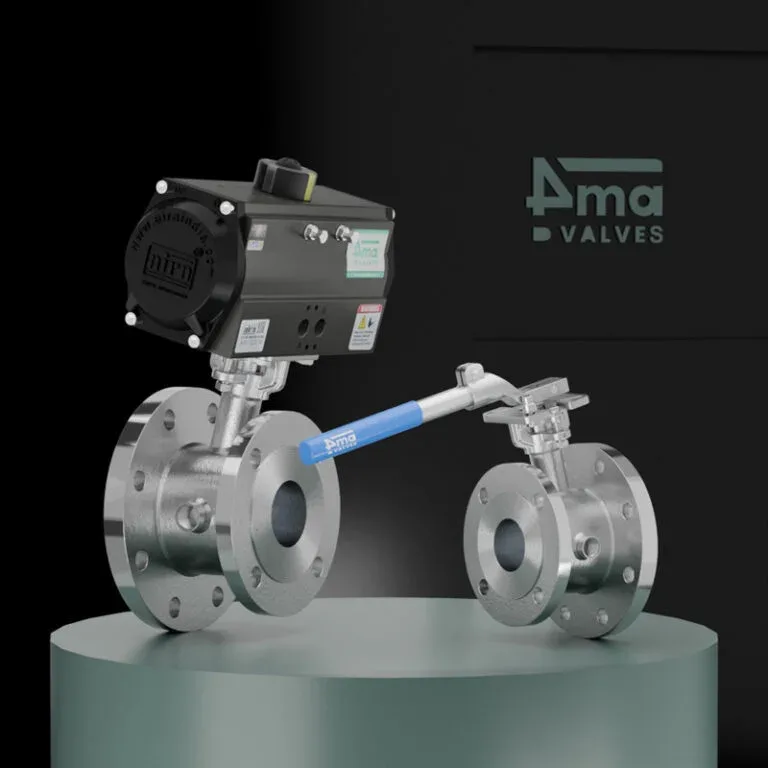
Flush bottom ball valves are used in suitable tank and vessel applications where controlled bottom discharge is required. Their installation arrangement allows the valve to be positioned at the bottom outlet of a tank, helping provide a discharge path for the stored or processed medium.
For pharmaceutical manufacturers, selecting the correct valve requires careful evaluation of material compatibility, tank connection, operating pressure, temperature, sealing arrangement, and cleaning requirements. 4MA Valves Automation is a company buyers can consider when exploring flush bottom ball valves and other industrial valve requirements.
What Are Flush Bottom Ball Valves?
Flush bottom ball valves are valves intended for installation at the bottom outlet of tanks or vessels to control the discharge of process media.
A ball valve uses a rotating ball with a bore through its centre. When the bore aligns with the flow path, the valve allows the medium to pass. Rotating the ball changes the alignment and restricts or stops the flow.
In a flush bottom arrangement, the valve is fitted at the vessel's bottom outlet. The installation is intended to provide a suitable discharge connection while keeping the valve arrangement close to the vessel bottom.
The actual ability to minimise retained product depends on the valve geometry, vessel outlet design, installation, and process characteristics. Buyers should review these details before selecting a product.
Why Are Flush Bottom Ball Valves Used in Pharmaceutical Industries?
Pharmaceutical production may involve vessels used for mixing, holding, and transferring process liquids. A suitable bottom outlet valve is important for controlling the movement of material out of these vessels.
Flush bottom ball valves may be considered for compatible applications where controlled discharge from the bottom of a tank or vessel is required.
Potential benefits include:
- Controlled discharge of process liquids.
- A dedicated valve arrangement at the vessel bottom.
- Integration with suitable tank and pipeline connections.
- Manual or compatible automated operation, depending on the design.
- Support for planned vessel emptying procedures.
The final suitability depends on the product's construction, material specifications, and the pharmaceutical facility's process requirements.
What Are the Main Applications of Flush Bottom Ball Valves?
Flush bottom ball valves can be used in selected industrial tank and vessel applications.
1. Pharmaceutical Processing Tanks
Pharmaceutical facilities use different types of vessels for liquid preparation, storage, and processing.
A suitable bottom outlet valve may be used to control the discharge of process liquids from compatible vessels. Material compatibility and cleaning requirements should be evaluated carefully before installation.
2. Chemical Processing Plants
Chemical plants handle liquids with different chemical properties. The valve body, ball, seals, and other product-contact components must be suitable for the medium.
Buyers should consider chemical compatibility, temperature, pressure, and any cleaning requirements when selecting a flush bottom valve for chemical service.
3. Liquid Storage Vessels
Storage vessels may require a controlled outlet for transferring their contents into downstream pipelines or processing equipment.
A flush bottom arrangement can provide a dedicated discharge point at the bottom of the vessel. The installation should be designed according to the tank geometry and required discharge conditions.
4. Process and Mixing Vessels
Mixing vessels may need a bottom outlet for transferring processed material to the next production stage.
The valve selection should consider the properties of the material, possible suspended particles, viscosity, cleaning requirements, and discharge frequency.
Not every valve design is suitable for every mixture, so application-specific technical evaluation is necessary.
What Are the Important Features to Check?
When comparing flush bottom ball valves, buyers should review several product characteristics.
1. Valve Body and Internal Material
The valve body and internal components must be compatible with the process medium.
Buyers should review the material specifications for the body, ball, stem, and other product-contact parts.
For pharmaceutical applications, the material requirements may be defined by the facility's process and quality documentation.
2. Sealing Arrangement
Sealing components play an important role in preventing leakage during valve operation.
The seal material should be suitable for the process medium, pressure, temperature, and cleaning conditions.
Buyers should also review the valve's specified leakage performance and maintenance requirements.
3. Tank Connection and Installation Design
Flush bottom ball valves are associated with tank-bottom installation, so connection compatibility is particularly important.
Check the vessel outlet dimensions, flange or connection arrangement, installation space, and pipeline alignment.
The valve should be compatible with the tank design and the required discharge arrangement.
4. Pressure and Temperature Ratings
The valve must be suitable for the operating conditions of the vessel and connected pipeline.
Review normal and maximum operating pressure, process temperature, and any variations during cleaning or other process stages.
Always compare the proposed valve ratings with the actual operating requirements.
5. Operation and Control
Depending on the design, a flush bottom ball valve may use manual or suitable automated operation.
Manual operation may be appropriate where local control is sufficient.
Automated operation may be considered when the valve must operate as part of a production sequence. Buyers should confirm the required actuator arrangement and control compatibility.
6. Cleaning and Maintenance Requirements
Cleaning is an important consideration in pharmaceutical and other hygienic processing environments.
Buyers should review the internal valve geometry, product-contact surfaces, seal materials, and cleaning procedure.
If CIP or SIP is required, request specific confirmation for the selected valve model. Compatibility should not be assumed based on the valve category alone.
What Are the Benefits of Flush Bottom Ball Valves?
When correctly selected for the application, flush bottom ball valves can provide several operational advantages.
Controlled tank discharge: They provide a dedicated valve arrangement for controlling the release of material from a vessel's bottom outlet.
Compact outlet arrangement: Their installation can provide a practical connection between the vessel and the downstream pipeline, depending on the valve design.
Quarter-turn operation: Ball valve operation generally requires a quarter-turn movement between open and closed positions.
Integration with process systems: Suitable designs can be incorporated into tank and vessel discharge arrangements.
Manual or automated control options: The operating method can be selected according to the application and available product configurations.
These benefits depend on proper sizing, material selection, installation, and maintenance. A valve should always be evaluated against the actual process requirements.
How to Choose the Right Flush Bottom Ball Valve?
Selecting a flush bottom ball valve requires more than matching the tank outlet size. Consider the following steps before purchasing.
Step 1: Identify the Process Medium
Determine what material will pass through the valve. Consider its chemical properties, viscosity, temperature, and whether it contains suspended particles.
Step 2: Define the Operating Conditions
Record the operating pressure and temperature, along with any expected variations during the process.
Step 3: Check Vessel and Outlet Dimensions
Confirm the tank outlet size, connection type, available space, and installation arrangement.
Step 4: Review Material and Seal Compatibility
Verify the body, ball, stem, and seal materials against the process medium and cleaning conditions.
Step 5: Confirm Discharge Requirements
Consider the required discharge rate, downstream pipeline arrangement, and the importance of reducing retained material.
The valve geometry and tank outlet design should be assessed together.
Step 6: Review Cleaning Requirements
Identify whether the process requires routine cleaning, CIP, SIP, or another cleaning method. Confirm product-specific compatibility with the supplier.
Step 7: Verify Technical Documentation
Request the product datasheet, dimensional drawing, material details, operating limits, and any applicable quality or inspection documents.
What Common Mistakes Should Buyers Avoid?
Some common mistakes can lead to an unsuitable flush bottom valve selection.
- Selecting the valve based only on the tank outlet size.
- Ignoring chemical compatibility.
- Not checking seal material specifications.
- Overlooking operating pressure and temperature.
- Assuming every design provides complete vessel drainage.
- Not checking the installation dimensions.
- Assuming CIP or SIP compatibility without documentation.
- Failing to review the valve's maintenance requirements.
A careful technical review before purchase can help reduce these risks.
Why Consider 4MA Valves Automation for Flush Bottom Ball Valve Requirements?
When selecting a flush bottom ball valve, buyers should evaluate the product based on tank design, process medium, operating conditions, and cleaning requirements.
4MA Valves Automation can be considered by businesses exploring flush bottom ball valves and other industrial valve requirements.
To support a more accurate product enquiry, buyers should share the tank outlet details, process medium, pressure, temperature, required connection, cleaning method, and preferred operating arrangement.
The proposed valve should then be checked against the actual application requirements. Any necessary material specifications, dimensional details, and quality documents should be confirmed before procurement.
Frequently Asked Questions
1. What is the purpose of a flush bottom ball valve?
A flush bottom ball valve is used at the bottom outlet of a tank or vessel to control the discharge of its contents into a connected pipeline or process system.
2. Where are flush bottom ball valves used?
They may be used in suitable pharmaceutical, chemical, and other industrial tank or vessel applications where controlled bottom discharge is required.
3. How does a flush bottom ball valve work?
It uses a rotating ball with a bore through its centre. When the bore aligns with the flow path, the valve allows discharge. Rotating the ball changes the alignment and closes the flow passage.
4. Are flush bottom ball valves suitable for pharmaceutical applications?
They may be suitable for selected pharmaceutical applications, provided their materials, construction, sealing arrangement, cleaning compatibility, and documentation meet the specific process requirements.
5. Do flush bottom ball valves ensure complete tank drainage?
Not automatically. Drainage depends on the valve geometry, tank outlet design, vessel orientation, installation, and the properties of the process material. Buyers should confirm the expected drainage performance for the specific arrangement.
6. What should I check before buying a flush bottom ball valve?
Review the process medium, body and seal materials, pressure and temperature ratings, tank connection, discharge requirements, cleaning compatibility, and technical documentation.
7. What information should I provide to a valve supplier?
Provide the tank outlet dimensions, process medium, operating pressure, temperature, connection type, cleaning procedure, and required operating method.
Conclusion
Flush bottom ball valves are used in suitable tank and vessel applications to control the discharge of process materials through a bottom outlet. They can support controlled liquid transfer in pharmaceutical, chemical, and other industrial environments when the valve design matches the application.
Before selecting a valve, buyers should evaluate material compatibility, sealing arrangements, tank connection dimensions, pressure and temperature limits, cleaning requirements, and discharge performance. 4MA Valves Automation is an option for businesses exploring flush bottom ball valves and industrial valve requirements. Sharing accurate process information and verifying technical specifications can help buyers make a more suitable equipment selection.