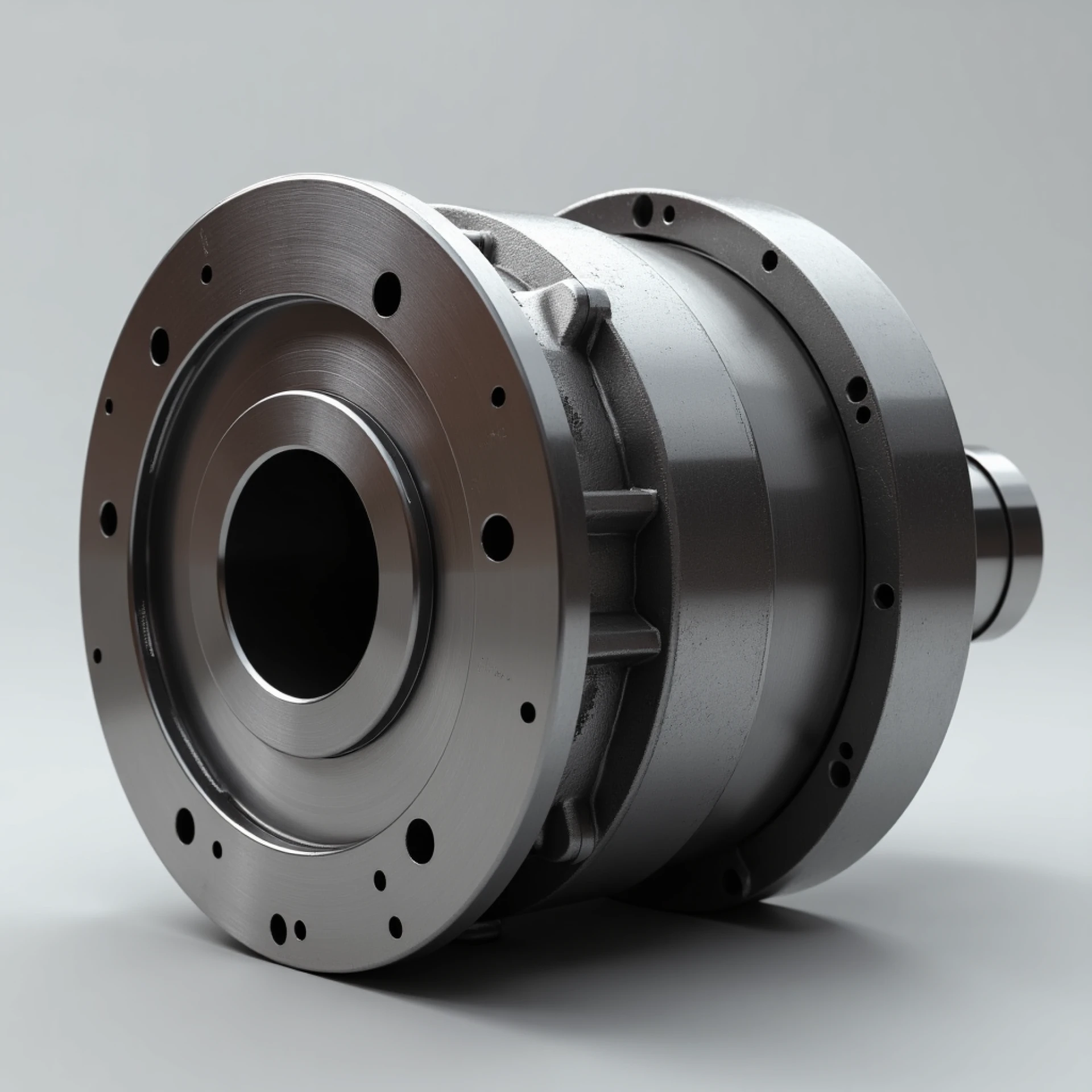
Fluid couplings are essential components in power transmission systems that require smooth torque transfer without mechanical contact. These devices use hydraulic fluid to transfer energy from a driving shaft (motor) to a driven shaft (machine), offering controlled acceleration, load protection, and vibration reduction.
This blog will explain what fluid couplings are, their benefits, types, uses, and how to select the right one. It will also highlight the value offered by Rathi Couplings, one of the most trusted fluid coupling manufacturers in India and internationally. You’ll learn how these components help improve machine life, reduce maintenance, and protect critical equipment.
2. What Are Fluid Couplings?
Fluid couplings (also known as hydraulic couplings) are torque-transmitting devices used between the power source and the load. They operate on the principle of hydrokinetic energy transmission using a fluid—usually oil—without any physical connection between input and output shafts.
🔹 Basic Working Principle:
- The driving member (impeller) rotates and pushes the fluid outward by centrifugal force.
- The fluid strikes the driven member (turbine) and causes it to rotate.
- This results in smooth torque transmission, especially useful in high-load or start-stop applications.
Rathi Couplings offers fluid couplings engineered for consistent performance and durability under demanding conditions.
3. Key Benefits of Fluid Couplings
Fluid couplings provide several advantages over mechanical couplings, especially in dynamic industrial environments:
- ✅ Smooth Start-Up: Prevents shock loads on motors and connected equipment.
- ✅ Overload Protection: Slips under excessive load to protect the system.
- ✅ Vibration Dampening: Reduces torsional vibration and noise.
- ✅ Misalignment Tolerance: Allows some degree of axial misalignment.
- ✅ Extended Equipment Life: Lowers mechanical stress and improves longevity.
- ✅ Torque Limiting Capability: Prevents damage due to sudden load changes.
These benefits make fluid couplings ideal for large, heavy-duty applications where system protection and smooth operation are critical.
4. Types of Fluid Couplings
Different systems and industries require different fluid coupling configurations. Rathi Couplings offers a wide range of models, including:
🔸 Standard Fill Fluid Couplings
These are filled with a fixed quantity of fluid and are commonly used for conveyors, crushers, and pumps.
🔸 Delayed Fill Fluid Couplings
Used for applications requiring controlled torque build-up during start-up. Perfect for belt conveyors and fans.
🔸 Scoop-Control Fluid Couplings
These allow variable filling during operation and are used where adjustable torque and soft starts are needed—ideal for large machinery like ball mills or centrifuges.
Each type serves a specific purpose, and Rathi Couplings helps you choose the right model based on torque, power, and machine type.
5. Applications Across Industries
Fluid couplings are used in applications that demand smooth torque control, energy absorption, and protection from mechanical shocks.
💼 Industries that use fluid couplings include:
- Cement & Mining – Crushers, conveyors, and kilns
- Steel & Metal Processing – Rolling mills, shear drives
- Power Generation – Fans, pumps, cooling towers
- Material Handling – Bucket elevators, belt conveyors
- Marine & Port Equipment – Winches, pumps, and deck machinery
- Chemical & Fertilizer Plants – Agitators and mixers
In each of these sectors, Rathi Couplings supplies high-quality fluid couplings that meet industry-specific standards.
6. How to Select the Right Fluid Coupling
Choosing the correct fluid coupling requires careful consideration of your system’s mechanical and environmental parameters.
Key selection factors:
- Input Power & Torque – Match the motor rating with the torque transfer needs.
- Start-Up Conditions – Determine if soft start or delayed torque is required.
- Speed Range (RPM) – Check that the coupling supports your operational speed.
- Load Characteristics – Identify if the load is constant, variable, or shock-prone.
- Mounting Style & Space – Ensure compatibility with available space and orientation.
- Operating Environment – Consider temperature, dust, humidity, and chemical exposure.
Rathi Couplings provides technical support to evaluate your system requirements and recommend the best-fit product.
7. Why Rathi Couplings is a Preferred Fluid Coupling Manufacturer
Rathi Couplings has been a leader in mechanical power transmission products for over four decades. Here's why industries prefer Rathi when sourcing fluid couplings:
- 🏭 Precision Engineering – Products designed for Indian and international standards (ISO/AGMA/DIN).
- 🌐 Global Reach – Trusted by OEMs and industries in over 40 countries.
- 🧪 In-House Testing Facilities – Every coupling is rigorously tested for performance and safety.
- 🛠️ Custom Design Capability – Special coupling solutions for unique industrial applications.
- 🚚 Efficient Delivery & Service – Fast supply chain, spares availability, and technical assistance.
Rathi Couplings is not just a supplier—it is a long-term partner in your plant’s performance and reliability.
8. Installation & Maintenance Best Practices
Proper handling of fluid couplings ensures maximum reliability and operational life.
✅ Recommended practices:
- Check Oil Level & Quality – Use only the specified oil type and maintain optimal levels.
- Ensure Shaft Alignment – Though some misalignment is acceptable, proper setup improves life.
- Check for Leakage – Inspect seals and gaskets periodically.
- Monitor Temperature – Ensure proper ventilation to avoid overheating.
- Follow Load Limits – Never exceed the rated torque or speed.
- Use Genuine Spares – Only use Rathi Couplings parts for repairs or replacements.
Routine checks and timely service can help prevent failures and extend coupling lifespan.
9. Conclusion
Fluid couplings play a vital role in systems where torque control, overload protection, and shock absorption are essential. Their ability to transmit power without direct mechanical contact makes them ideal for heavy-duty applications with high start-up torque and variable loads.
When performance, durability, and serviceability matter, Rathi Couplings delivers proven fluid coupling solutions backed by engineering excellence and trusted customer support.