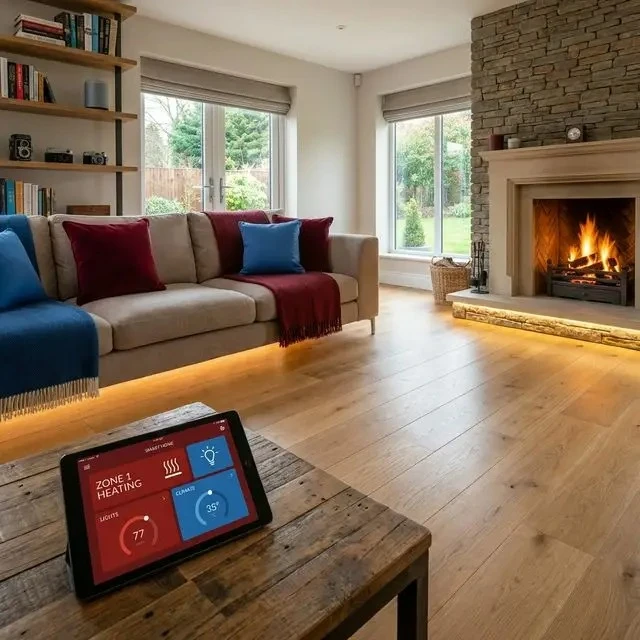
Modern homes demand more than simple temperature control. They require intelligent systems that adapt to changing weather, occupancy patterns, and energy efficiency goals. A floor heating home assistant designed for reversible heat pump systems delivers exactly that. Thermozona brings together automation, outdoor climate awareness, and customizable control logic to create a smarter way to manage underfloor heating and cooling. Instead of reacting only after temperatures shift indoors, the system continuously analyzes external conditions and adjusts performance in real time.
This approach transforms traditional climate management into a predictive and responsive experience. Homeowners benefit from stable indoor comfort without constantly adjusting thermostats. The result is a seamless integration of technology and energy efficiency, supporting both convenience and long-term sustainability.
Understanding Reversible Heat Pump Operation
Reversible heat pumps are engineered to provide both heating and cooling from a single system. During colder months, they extract heat energy from the outside environment and transfer it indoors. In warmer seasons, the cycle reverses, removing indoor heat and releasing it outside. This dual functionality makes them highly efficient compared to separate heating and air conditioning systems.
However, their efficiency depends on intelligent control. Underfloor heating systems operate differently from traditional radiators or forced-air systems. They rely on gradual heat distribution through the floor structure, which requires careful timing and precise temperature management. Without advanced coordination, users may experience delays, temperature overshoot, or inefficient cycling.
A floor heating home assistant bridges this gap by aligning heat pump output with the thermal characteristics of underfloor systems. It accounts for floor mass, response time, and seasonal demand. Instead of abrupt on-and-off cycles, it fine-tunes performance to maintain stable conditions. This balanced operation reduces stress on components and ensures consistent comfort across living spaces.
Automatic Switching Between Heating and Cooling
One of the most practical advantages of a reversible heat pump is its ability to change modes. Yet manual switching between heating and cooling can be inconvenient and inefficient, especially during transitional seasons when outdoor temperatures fluctuate dramatically.
Thermozona eliminates this burden through automated changeover logic. By analyzing outdoor temperature trends and indoor comfort preferences, it determines when to activate heating or cooling. There is no need for homeowners to monitor weather shifts or manually adjust system modes. The automation ensures that indoor environments remain comfortable whether the morning begins cool and the afternoon turns warm.
This automatic switching also prevents unnecessary energy consumption. Instead of running heating longer than needed or delaying cooling activation, the system anticipates demand. The floor heating home assistant responds proactively, optimizing runtime and ensuring smooth transitions between seasonal modes.
For homes with open-plan designs or multiple zones, this capability is especially valuable. Each area can maintain its target range while the central system adjusts intelligently. The result is a climate control strategy that feels natural and uninterrupted.
Intelligent Climate Logic Based on Outdoor Data
Traditional thermostats react only after indoor temperatures drift away from set points. In contrast, Thermozona’s design incorporates outdoor temperature data to predict changes before they affect interior comfort. This predictive model forms the foundation of a true floor heating home assistant.
Outdoor conditions directly influence heat pump efficiency and heating demand. When temperatures drop sharply, underfloor systems require gradual increases in output to maintain stability. If conditions warm unexpectedly, reducing system intensity prevents overheating and unnecessary energy use.
By continuously processing outdoor data, the system adapts in real time. It adjusts water temperatures supplied to the floor circuits and modifies heat pump operation to match external trends. This ensures smoother temperature curves indoors, avoiding sudden spikes or dips.
The benefit is twofold. First, comfort levels remain steady, even during unpredictable weather.
Second, the heat pump operates within optimal performance ranges. Instead of cycling aggressively to correct temperature imbalances, it runs more consistently and efficiently.
Over time, this intelligent climate logic supports lower energy consumption. The system works with environmental conditions rather than against them. Homeowners experience a responsive environment that aligns with both seasonal changes and daily fluctuations.
Reducing Manual Input with Smart Automation
Manual climate management can be time-consuming and inconsistent. Adjusting thermostats, switching modes, and fine-tuning temperature ranges often becomes a routine task. A floor heating home assistant simplifies this process by automating the majority of control decisions.
Thermozona allows users to define preferred comfort ranges rather than rigid temperature points. Once these parameters are set, the system manages the details. It continuously evaluates indoor readings, outdoor conditions, and system performance to maintain balance.
Automation reduces the risk of user error. Over-adjusting thermostats or frequently changing settings can cause inefficient cycling and higher energy use. With intelligent control logic in place, the system makes subtle corrections that maintain equilibrium without dramatic fluctuations.
This approach is especially beneficial in homes with multiple occupants. Different rooms can have customized settings while the overall system remains coordinated. The floor heating home assistant ensures that changes in one area do not compromise performance elsewhere.
In addition, automation enhances convenience. Whether homeowners are present or away, the climate remains managed according to predefined logic. There is no need for constant oversight. The system operates quietly in the background, maintaining comfort through adaptive control.
Long-Term Equipment Efficiency and Performance
Efficient operation is not only about immediate comfort or energy savings. It also affects the long-term health of heating and cooling equipment. Reversible heat pumps and underfloor systems represent significant investments. Protecting their performance over time is essential.
Frequent short cycling, abrupt mode changes, and excessive temperature swings can accelerate wear. By contrast, controlled and gradual operation extends component lifespan. A floor heating home assistant minimizes strain by ensuring smoother transitions and optimized runtime.
Thermozona’s intelligent coordination reduces unnecessary load on compressors and circulation pumps. By maintaining balanced output levels aligned with environmental conditions, it prevents extreme operational demands. This steady performance supports durability and consistent efficiency across seasons.
Energy optimization also contributes to sustainability goals. Lower consumption means reduced environmental impact and operational costs. Over years of use, these incremental savings become substantial. The system’s automation not only enhances comfort but also reinforces responsible energy management.
Furthermore, improved performance stability helps maintain indoor air quality and thermal consistency. When heating and cooling cycles operate predictably, there are fewer temperature extremes and less humidity imbalance. This contributes to a healthier living environment overall.
Conclusion
Thermozona redefines modern climate control by combining predictive automation, outdoor data integration, and customizable comfort logic. Its floor heating home assistant approach ensures that reversible heat pump systems operate smoothly across changing seasons. Instead of reacting to temperature shifts after they occur, the system anticipates demand and adjusts proactively.
By integrating floor heating home assistant systems with reversible heat pumps, homeowners gain year-round automated comfort and improved system longevity. The combination of intelligent switching, reduced manual input, and optimized performance creates a balanced solution that supports energy efficiency and long-term reliability.