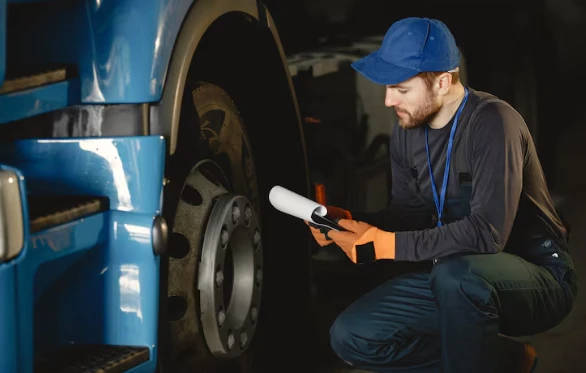
Effective fleet maintenance is essential for keeping medium-duty vehicles reliable, safe, and cost-efficient. Businesses that depend on medium-duty vehicles for transportation, construction, or delivery operations must prioritize preventive fleet vehicle maintenance to avoid costly breakdowns.
In 2026, medium-duty vehicles are more advanced than ever, featuring electronic control systems, fuel-efficient engines, and complex emissions components. This makes structured fleet vehicle maintenance programs even more critical for companies operating medium duty vehicles in demanding environments.
A proactive approach to fleet maintenance not only extends the life of medium-duty vehicles but also improves safety, fuel efficiency, and compliance with regulations.
Why Fleet Maintenance Matters for Medium Duty Trucks
Medium-duty vehicles typically operate under heavier loads and longer routes than light-duty models. Without proper fleet maintenance, these vehicles can experience accelerated wear and unexpected failures.
Key benefits of regular fleet vehicle maintenance:
- Reduced breakdowns and downtime
- Improved fuel efficiency
- Longer lifespan for medium-duty vehicles
- Lower repair costs over time
- Enhanced driver safety
Consistent fleet vehicle maintenance ensures that medium duty vehicles remain productive and reliable across all types of operations.
Essential Daily Inspection Checklist
Daily inspections are a critical part of fleet maintenance. Drivers should perform basic checks before and after operating medium duty vehicles.
Daily inspection items:
- Tire pressure and tread condition
- Brake function
- Fluid levels (oil, coolant, brake fluid)
- Lights and signals
- Windshield and mirrors
- Battery connections
Weekly inspection items:
- Suspension components
- Air filters
- Belts and hoses
- Exhaust system
Regular inspections help identify problems early, making fleet maintenance more effective for medium duty vehicles.
Preventive Maintenance Schedule for Medium Duty Vehicles
A structured preventive schedule is the backbone of successful fleet vehicle maintenance. Medium duty vehicles require regular servicing based on mileage, hours of operation, or time intervals.
Recommended service intervals:
Following a consistent fleet maintenance schedule keeps medium-duty vehicles running smoothly and reduces major repair costs.
Key Systems That Require Regular Attention
Medium-duty vehicles consist of several critical systems that demand regular fleet maintenance.
Engine and fuel system:
- Oil and filter changes
- Fuel injector cleaning
- Air intake inspections
Brake system:
- Brake pad replacement
- Rotor inspections
- Brake fluid checks
Electrical system:
- Battery testing
- Wiring inspections
- Sensor diagnostics
Each of these systems plays a vital role in fleet maintenance for medium-duty vehicles, ensuring performance and safety.
Tire Management Strategies
Tires are one of the most frequently replaced components in medium duty vehicles. Proper tire care is essential for effective fleet maintenance.
Tire maintenance best practices:
- Check pressure weekly
- Rotate tires regularly
- Inspect for uneven wear
- Replace worn tires promptly
Benefits of proper tire care:
- Improved fuel efficiency
- Better handling
- Reduced risk of blowouts
- Longer tire lifespan
Consistent tire inspections are a key part of fleet vehicle maintenance for medium duty vehicles.
Fluid Management and Lubrication
Fluids are the lifeblood of medium-duty vehicles. Without proper fluid management, critical components can fail prematurely.
Essential fluids to monitor:
- Engine oil
- Transmission fluid
- Coolant
- Brake fluid
- Power steering fluid
Fluid maintenance tips:
- Follow the manufacturer change intervals
- Use recommended fluid types
- Check levels regularly
- Inspect for leaks
Proper fluid management is a foundational aspect of fleet maintenance for medium-duty vehicles.
Importance of Driver Training
Drivers play a crucial role in fleet vehicle maintenance. Poor driving habits can accelerate wear and increase repair costs for medium duty vehicles.
Training topics to cover:
- Smooth acceleration and braking
- Avoiding excessive idling
- Proper load distribution
- Reporting vehicle issues promptly
Benefits of trained drivers:
- Reduced mechanical stress
- Lower fuel consumption
- Fewer accidents
- Extended vehicle lifespan
Well-trained drivers contribute significantly to fleet maintenance for medium-duty vehicles.
Using Telematics for Smarter Maintenance
Modern medium duty vehicles often come equipped with telematics systems that track performance and maintenance needs.
Telematics benefits:
- Real-time diagnostics
- Predictive maintenance alerts
- Fuel usage tracking
- Driver behavior monitoring
These systems help fleet managers plan fleet maintenance more efficiently and keep medium duty vehicles operating at peak performance.
Common Maintenance Mistakes to Avoid
Even experienced fleet operators sometimes make mistakes that can negatively affect medium duty vehicles.
Common fleet maintenance errors:
- Skipping scheduled services
- Using low-quality replacement parts
- Ignoring warning lights
- Delaying minor repairs
Avoiding these mistakes improves fleet maintenance outcomes and protects medium duty vehicles from major failures.
Cost-Saving Tips for Fleet Maintenance
Proper planning can reduce the overall cost of maintaining medium duty vehicles.
Ways to reduce maintenance costs:
- Implement preventive maintenance programs
- Track repair history
- Buy parts in bulk
- Standardize fleet models
- Train drivers in efficient operation
Smart strategies ensure fleet maintenance remains cost-effective while keeping medium duty vehicles reliable.
Conclusion
Maintaining medium-duty trucks requires a structured and consistent approach. From daily inspections to scheduled servicing, every aspect of fleet vehicle maintenance contributes to the reliability and efficiency of medium duty vehicles.
Preventive maintenance programs help reduce downtime, lower repair costs, and extend the lifespan of medium duty vehicles. By focusing on key systems such as engines, brakes, tires, and fluids, fleet managers can ensure their vehicles operate safely and efficiently.
Driver training and telematics technology further enhance fleet vehicle maintenance by identifying issues early and promoting better driving habits. These strategies not only improve performance but also protect long-term investments in medium-duty vehicles.
Working with experienced professionals like Adams Heavy Duty Contracting Ltd ensures your fleet receives expert care and reliable service. With the right maintenance plan, your medium-duty vehicles can deliver consistent performance, improved fuel efficiency, and reduced operational costs for years to come.
Keep your trucks running efficiently with expert fleet services from Adams Heavy Duty Contracting Ltd. Our team specializes in professional maintenance for medium duty vehicles to reduce downtime and improve performance. Contact us today to schedule your fleet service.
FAQs
1. How often should medium-duty trucks be serviced?
Most medium duty vehicles should receive routine service every 8,000–12,000 miles, depending on usage and manufacturer guidelines.
2. What is the most important part of fleet vehicle maintenance?
Regular inspections and preventive servicing are the most critical aspects of maintaining medium-duty vehicles.
3. How can telematics improve fleet maintenance?
Telematics systems provide real-time data and maintenance alerts, helping prevent breakdowns in medium-duty vehicles.
4. Why is driver training important for fleet maintenance?
Proper driving habits reduce wear and tear, improving the lifespan of medium-duty vehicles.
5. What happens if preventive maintenance is skipped?
Skipping fleet vehicle maintenance can lead to breakdowns, higher repair costs, and shorter vehicle lifespans.