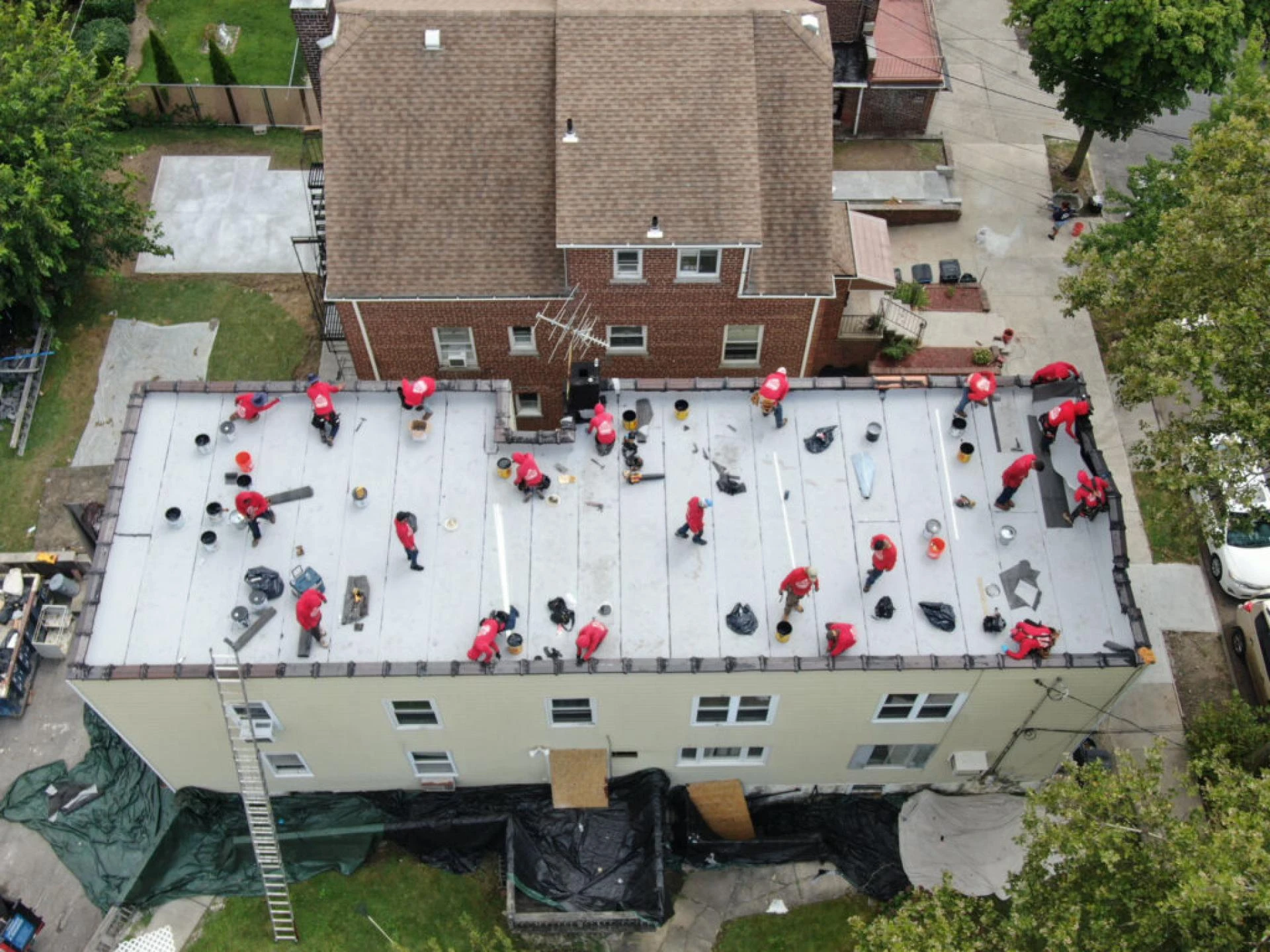
Brooklyn’s residential landscape is defined by its dense urban layout, multi-family buildings, and a mix of historic and modern architecture. In such an environment, roofing systems must not only provide protection but also adapt to structural constraints and weather conditions. Flat roofing has become one of the most widely used solutions across Brooklyn properties, offering both practicality and performance for homeowners and property managers.
Flat roofs are particularly well-suited for urban settings where space efficiency is essential. Unlike sloped roofs, flat systems maximize usable space, making them ideal for buildings with limited square footage. Many property owners in Brooklyn take advantage of this by using rooftop areas for utilities, storage, or even recreational purposes. However, the effectiveness of a flat roofing system depends heavily on the materials used and the quality of installation.
One of the defining characteristics of flat roofing systems is their ability to handle water management through controlled drainage. While these roofs appear level, they are designed with a slight pitch to direct water toward drains and gutters. This design requires precision, as any imbalance can lead to water pooling. The best-performing flat roofs are those that incorporate advanced drainage solutions to prevent standing water and reduce the risk of moisture damage.
Durability is a key consideration for Brooklyn properties. Buildings in this area are exposed to a wide range of environmental conditions, including heavy rainfall, snow accumulation, and temperature fluctuations. Flat roofing materials must be capable of withstanding these challenges without deteriorating quickly. Modern systems are designed to resist cracking, shrinking, and other forms of wear caused by long-term exposure.
Another important factor is the ability of flat roofs to accommodate structural variations. Many buildings in Brooklyn are older and may have unique architectural features that require customized roofing solutions. Flat roofing systems can be adapted to fit these structures, ensuring that they provide effective protection without compromising the building’s design.
Energy efficiency is another advantage that makes flat roofing a preferred choice. Modern flat roofing materials often include reflective properties that help reduce heat absorption. This is particularly beneficial during the summer months when temperatures can rise significantly. By reflecting sunlight, these roofs help maintain cooler indoor conditions, reducing the need for excessive air conditioning.
In the winter, proper insulation within the flat roofing system helps retain heat, contributing to a more stable indoor environment. This balance between heat reflection and retention makes flat roofing an energy-efficient option for Brooklyn homes, where seasonal temperature changes can be extreme.
Maintenance plays a crucial role in the performance of flat roofing systems. While these roofs are durable, they require regular inspections to ensure that drainage systems remain clear and that materials are in good condition. Debris such as leaves and dirt can accumulate quickly in urban environments, potentially blocking drains and causing water buildup. Routine maintenance helps prevent these issues and extends the lifespan of the roof.
Professional installation is essential for achieving optimal results. Flat roofing systems require precise alignment and sealing to function effectively. Even small errors during installation can lead to long-term problems such as leaks or structural damage. Homeowners who choose flat roofing professionals rely on can ensure that their roofing system is installed with accuracy and attention to detail.
Another benefit of flat roofing is its compatibility with modern construction techniques. As building designs continue to evolve, flat roofs provide the flexibility needed to incorporate new technologies and materials. This adaptability makes them a future-ready solution for property owners looking to invest in long-term performance.
Aesthetic appeal is also an important consideration. While flat roofs may not have the traditional appearance of sloped roofs, they offer a clean and modern look that complements contemporary architecture. This can enhance the overall visual appeal of the property, particularly in neighborhoods where modern design is becoming more prevalent.
Cost efficiency is another factor that contributes to the popularity of flat roofing systems. While the initial investment may vary depending on materials and design, the long-term benefits often outweigh the costs. Durable materials and proper installation reduce the need for frequent repairs, making flat roofing a cost-effective solution over time.
Urban conditions in Brooklyn, such as pollution and limited airflow between buildings, can accelerate the wear and tear of roofing materials. Flat roofing systems designed with high-quality materials are better equipped to handle these challenges, ensuring that they remain functional and reliable.
Safety is another important aspect of roofing performance. A well-installed flat roof provides a stable and secure surface that can withstand environmental stress. This is particularly important for multi-family properties, where the roof plays a critical role in protecting multiple units within the building.
Ultimately, the performance of a flat roofing system depends on a combination of factors, including material quality, installation, and maintenance. When all these elements are aligned, flat roofs provide a reliable and efficient solution for Brooklyn properties.
For homeowners and property managers in Brooklyn, investing in the right flat roofing system is a practical decision that offers long-term benefits. By choosing durable materials and working with experienced professionals, they can ensure that their roofs continue to perform effectively in an urban environment.