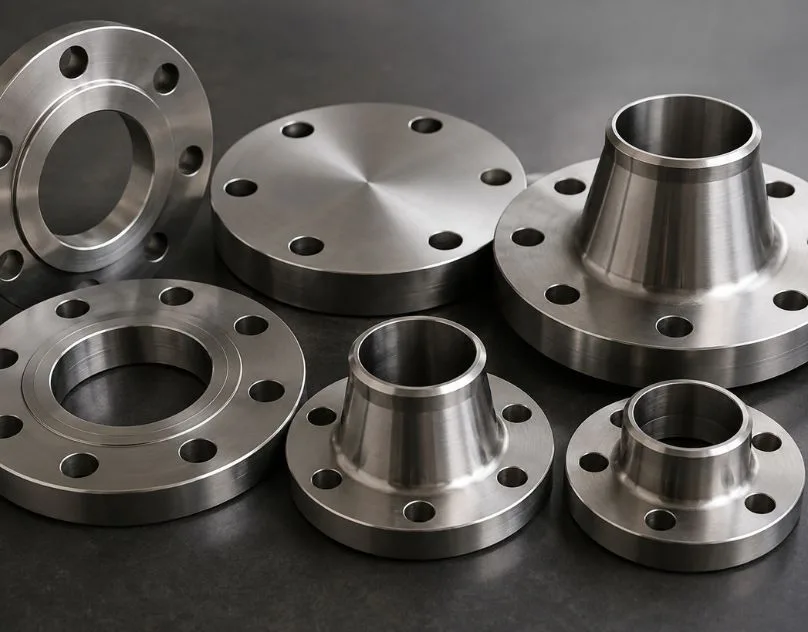
In industrial piping systems, flanges play a critical role in connecting pipes, valves, pumps, and other equipment to create a secure and leak-proof network. Industries such as oil and gas, petrochemicals, power generation, water treatment, and manufacturing rely on high-quality flanges to ensure operational safety and efficiency. At pipex.ai, we understand the importance of selecting the right flange type for specific industrial requirements.
As a trusted Flanges manufacturer in India, providing durable and precision-engineered flanges is essential for meeting the demands of modern industries. This guide explores the different types of flanges, their features, applications, and why they are indispensable in piping systems.
What Are Flanges?
Flanges are mechanical components used to connect pipes, fittings, valves, and equipment. They allow easy assembly, inspection, maintenance, and modification of piping systems. Flanges are generally attached through welding, threading, or bolting and are sealed using gaskets to prevent leakage.
The popularity of flanges comes from their ability to provide strong connections while allowing easy access to the piping system whenever repairs or inspections are required.
Importance of Flanges in Industrial Applications
Flanges offer several advantages that make them a preferred choice across industries:
- Easy installation and removal
- Strong and reliable pipe connections
- Simplified maintenance and inspection
- Excellent sealing performance
- Suitable for high-pressure and high-temperature environments
- Compatibility with various piping materials
Because of these benefits, flanges are used in virtually every industrial piping network.
Weld Neck Flanges
A leading weld neck flanges supplier in India often recommends weld neck flanges for high-pressure and high-temperature applications. These flanges feature a long tapered hub that gradually transfers stress from the flange to the pipe.
Features of Weld Neck Flanges
- Excellent structural strength
- Superior resistance to pressure fluctuations
- Reduced stress concentration
- Ideal for critical services
- Long service life
Applications
- Oil and gas pipelines
- Petrochemical plants
- Power generation facilities
- Offshore platforms
- Chemical processing industries
Weld neck flanges are considered one of the most reliable flange types for demanding industrial environments.
Threaded Flanges
As a recognized threaded flanges exporter, manufacturers supply threaded flanges for applications where welding may not be practical or desirable. These flanges contain internal threads that match the external threads of the pipe.
Features of Threaded Flanges
- No welding required
- Easy installation
- Suitable for low-pressure systems
- Convenient for maintenance and replacement
- Cost-effective for smaller pipe sizes
Applications
- Water distribution systems
- Fire protection systems
- Compressed air pipelines
- Utility services
- Hazardous environments where welding is restricted
Threaded flanges provide a practical solution for piping systems requiring quick assembly and disassembly.
Slip On Flanges
Among the most commonly used flange types, slip on flanges manufacturers produce these flanges for applications requiring easy alignment and installation. Slip on flanges are designed to slide over the pipe before being welded from both the inside and outside.
Features of Slip On Flanges
- Easy to install
- Economical compared to weld neck flanges
- Good alignment capability
- Suitable for moderate pressure applications
- Reduced fabrication costs
Applications
- Water treatment plants
- Cooling systems
- Process piping
- Industrial fluid transfer systems
- Low to medium pressure operations
Due to their affordability and ease of use, slip on flanges remain a popular choice in various industries.
Socket Weld Flanges
Reliable socket weld flanges suppliers often recommend socket weld flanges for small-diameter piping systems operating under high pressure. These flanges feature a recessed socket where the pipe is inserted before welding.
Features of Socket Weld Flanges
- Strong and secure connections
- Smooth internal flow path
- Reduced leakage risk
- Suitable for small bore piping
- High-pressure performance
Applications
- Hydraulic systems
- Steam pipelines
- Chemical processing units
- High-pressure service lines
- Industrial process plants
Socket weld flanges offer excellent strength and reliability in compact piping systems.
Understanding the Slip On Flange Weight Chart in KG
When selecting flanges, weight is an important factor that influences transportation, handling, structural support, and installation costs. A Slip On Flange Weight Chart in KG helps buyers determine the approximate weight of flanges based on size, pressure class, and dimensions.
Typical factors affecting flange weight include:
- Nominal pipe size
- Pressure rating
- Material grade
- Flange thickness
- Hub dimensions
Using an accurate weight chart allows project engineers and procurement teams to estimate material requirements more effectively and optimize project costs.
Factors to Consider When Purchasing Flanges
Choosing the right flange requires careful evaluation of several factors:
Pressure and Temperature Conditions
Different flange types are designed to withstand specific operating pressures and temperatures. Understanding service conditions helps ensure optimal performance.
Material Selection
Flanges are available in carbon steel, stainless steel, alloy steel, duplex steel, and other materials. The choice depends on corrosion resistance, strength, and operating environment.
Installation Requirements
Some applications benefit from threaded or slip on flanges due to easier installation, while others require the strength of weld neck or socket weld flanges.
Industry Standards
Ensure that flanges comply with recognized standards such as ASME, ASTM, ANSI, DIN, and EN specifications for consistent quality and compatibility.
Supplier Reliability
Working with an experienced Flanges manufacturer in India ensures access to quality products, technical support, competitive pricing, and timely delivery.
Advantages of High-Quality Flanges
Investing in premium-quality flanges provides long-term operational benefits, including:
- Improved system safety
- Reduced maintenance costs
- Enhanced leak prevention
- Greater durability
- Better resistance to pressure and temperature variations
- Longer service life
These benefits contribute to higher efficiency and reliability across industrial operations.
Conclusion
Flanges are essential components in modern piping systems, providing secure, efficient, and maintainable connections for a wide range of industrial applications. Whether selecting weld neck flanges for critical high-pressure systems, threaded flanges for easy installation, slip on flanges for cost-effective performance, or socket weld flanges for compact high-pressure piping, understanding each type helps buyers make informed decisions.