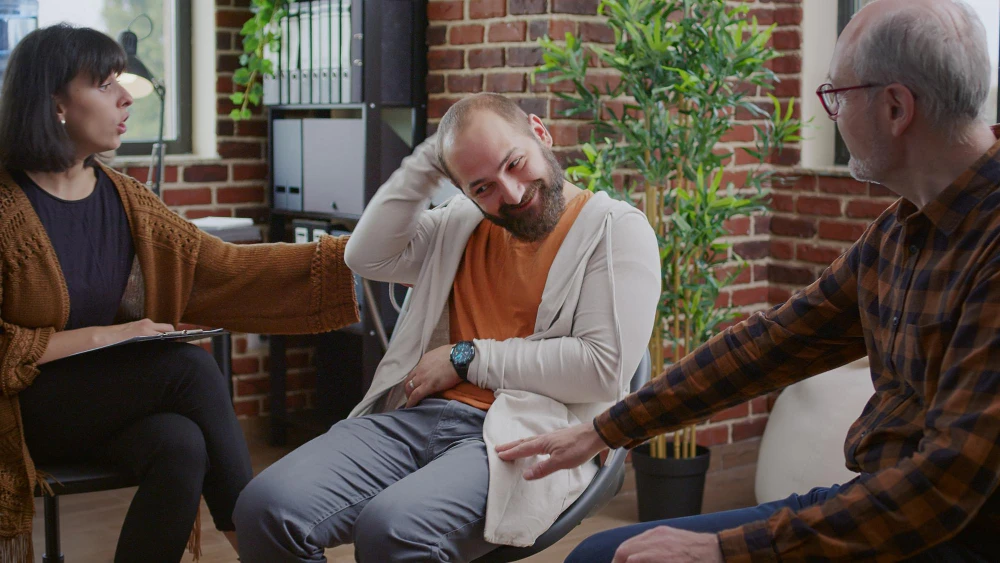
Cocaine addiction is a serious substance use disorder that affects physical health, mental well-being, relationships, and daily functioning. Many people searching for cocaine addiction treatment centers in California want reliable, factual information about what treatment involves, how to choose the right program, and what recovery realistically looks like. This guide is designed to answer those questions clearly, without hype or confusion, so individuals and families can make informed decisions.
Understanding Cocaine Addiction
Cocaine is a powerful stimulant that affects the brain’s reward system by increasing dopamine levels. Over time, repeated use can change how the brain functions, making it difficult to feel pleasure without the drug. This is why cocaine addiction is not simply a lack of willpower—it is a medical and psychological condition.
Common signs of cocaine addiction include:
- Strong cravings and loss of control over use
- Mood swings, anxiety, or paranoia
- Sleep problems and loss of appetite
- Financial, legal, or work-related issues
Recognizing these signs early can make treatment more effective and reduce long-term harm.
Why Professional Treatment Matters
Cocaine addiction can be challenging to overcome without professional support. While some people try to stop on their own, withdrawal symptoms such as fatigue, depression, irritability, and intense cravings often lead to relapse.
Professional treatment offers:
- Medical oversight during early recovery
- Structured therapy to address root causes
- Ongoing support to prevent relapse
Research consistently shows that structured treatment programs improve long-term recovery outcomes compared to untreated attempts.
Types of Cocaine Addiction Treatment Programs
Medical Detoxification
Detox is often the first step. Although cocaine withdrawal is not usually life-threatening, it can be emotionally intense. Medical detox provides:
- Monitoring of mood and vital signs
- Support for depression or anxiety
- A stable, drug-free environment
Detox alone is not treatment, but it prepares individuals for the next stages of recovery.
Inpatient or Residential Treatment
Inpatient programs require clients to live at the facility for a set period, often 30 to 90 days. These programs are helpful for people with:
- Severe addiction
- Co-occurring mental health conditions
- A history of relapse
Daily schedules typically include therapy, education, and healthy routines.
Outpatient Treatment Programs
Outpatient care allows individuals to live at home while attending scheduled treatment sessions. This option works well for those with:
- Mild to moderate addiction
- Strong family or social support
- Work or school responsibilities
Programs may range from a few hours a week to intensive daily sessions.
Evidence-Based Therapies Used in Treatment
Cognitive Behavioral Therapy (CBT)
CBT helps individuals identify thoughts and behaviors that trigger cocaine use. Step by step, patients learn:
- How to recognize high-risk situations
- How thoughts influence cravings
- How to replace harmful behaviors with healthier coping skills
CBT is one of the most researched and effective therapies for stimulant addiction.
Contingency Management
This approach uses positive reinforcement, such as small rewards, to encourage drug-free behaviors. Studies show it can significantly reduce cocaine use, especially in early recovery.
Group and Family Therapy
Group sessions provide peer support and shared experiences, while family therapy addresses communication issues and rebuilds trust. Addiction often affects loved ones, and involving them can improve outcomes.
How to Choose the Right Treatment Center
When evaluating treatment options, consider these practical factors:
- Accreditation and licensing: Ensure the center meets state and professional standards
- Qualified staff: Look for licensed clinicians and medical professionals
- Individualized treatment plans: One-size-fits-all programs are less effective
- Continuum of care: Programs should offer aftercare or referrals for ongoing support
Asking detailed questions upfront helps avoid surprises later.
Recovery Is a Long-Term Process
Cocaine addiction recovery does not end when a program finishes. Long-term success often includes:
- Ongoing therapy or counseling
- Support groups or peer recovery programs
- Lifestyle changes such as exercise, nutrition, and stress management
Relapse can happen, but it does not mean failure. It often signals that treatment needs adjustment, not abandonment.
Practical Tips for Individuals and Families
- Seek help early; waiting often makes addiction more severe
- Be cautious of programs promising “instant cures”
- Support recovery with patience, boundaries, and education
- Focus on progress, not perfection
These steps create a healthier environment for lasting change.
Conclusion
Cocaine addiction is a complex condition, but effective, evidence-based treatment options are available. Understanding how addiction works, what treatment involves, and how to choose a qualified program empowers individuals and families to take the next step with confidence. For those exploring professional care in California, organizations like provide services in the region and can be part of a comprehensive recovery plan.