Why Rigid Boards Are So Widely Used
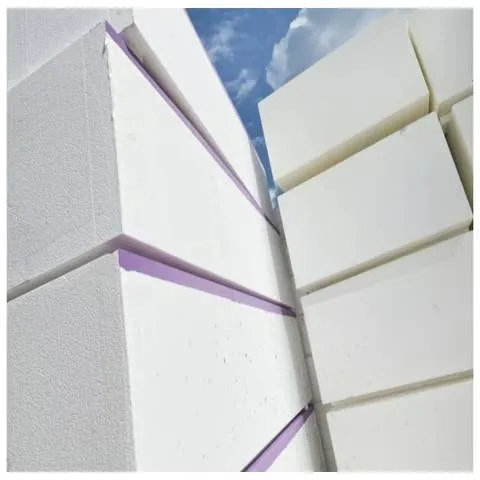
Rigid insulation boards have become one of the most common insulation choices in UK construction. They offer reliable thermal performance in a format that is easy to cut, handle, and install. Boards hold their shape, making them suitable for walls, roofs, and floors where consistent coverage is important. Many achieve impressive thermal efficiency at modest thicknesses, which is valuable where space is limited. Insulation Store Online stocks a wide range of boards, helping customers find suitable options for new builds, extensions, conversions, and refurbishment projects.
Understanding Board Types
Different insulation boards suit different needs. PIR boards provide high thermal efficiency and are widely used in roofs, walls, and floors. Phenolic boards, such as Kingspan Kooltherm, offer even lower thermal conductivity for space-critical applications. EPS boards are lightweight and economical, commonly used in floors and external wall systems. XPS boards are strong and moisture resistant, making them suitable for below-ground and heavy-load areas. Understanding these differences helps customers select the right board for each element of their project.
Choosing the Right Board for the Job
Selecting suitable insulation boards depends on where they will be used and what they must achieve. Pitched roofs may need boards fitted between rafters with an additional layer beneath. Flat roofs require boards compatible with the chosen waterproofing system. Floors need adequate compressive strength. Cavity walls require boards designed for partial or full fill. Internal walls may benefit from insulated plasterboard. Considering these factors, alongside space and budget, helps ensure the chosen board performs well and suits the construction method.
Thermal Performance Made Simple
Thermal performance is often described using lambda values and U-values. Lambda measures how easily heat passes through a material, with lower values indicating better insulation. U-values measure heat loss through an entire wall, roof, or floor, including all layers. Building regulations set U-value targets for new work. By comparing lambda values and using manufacturer U-value tables, customers can estimate the thickness needed to meet targets. Understanding these terms makes comparing boards easier and supports informed decisions.
Handling and Installation Benefits
Rigid boards are generally lightweight and can be cut using a fine-toothed saw or sharp knife, depending on the material. This allows accurate fitting around joists, rafters, and openings. Many boards feature foil facings or profiled edges that improve installation and performance. Taping joints with suitable tape can improve airtightness and vapour control. Because boards hold their shape, they are less likely to slump or leave gaps over time when installed correctly. These benefits make boards popular with both professional installers and confident DIYers.

Storage and Site Care
Looking after boards before installation protects their quality. Store boards flat, off the ground, and under cover to keep them dry and prevent damage. Avoid leaving boards exposed to prolonged sunlight, which can affect some facings. Handle boards carefully to avoid damaging edges and corners, which can create gaps when fitted. Plan deliveries so boards are not left on site for long periods before use. Good site care ensures boards perform as intended once installed and helps reduce waste.
Boards for Every Project
Quality insulation boards provide dependable thermal performance for a wide variety of applications. By understanding board types, choosing products suited to each application, and caring for materials on site, customers can achieve excellent results. Insulation Store Online offers boards from respected manufacturers, making it easier to find the right product for every project. Whether insulating a roof, wall, or floor, rigid boards help create warmer, more energy-efficient buildings that meet modern standards.