
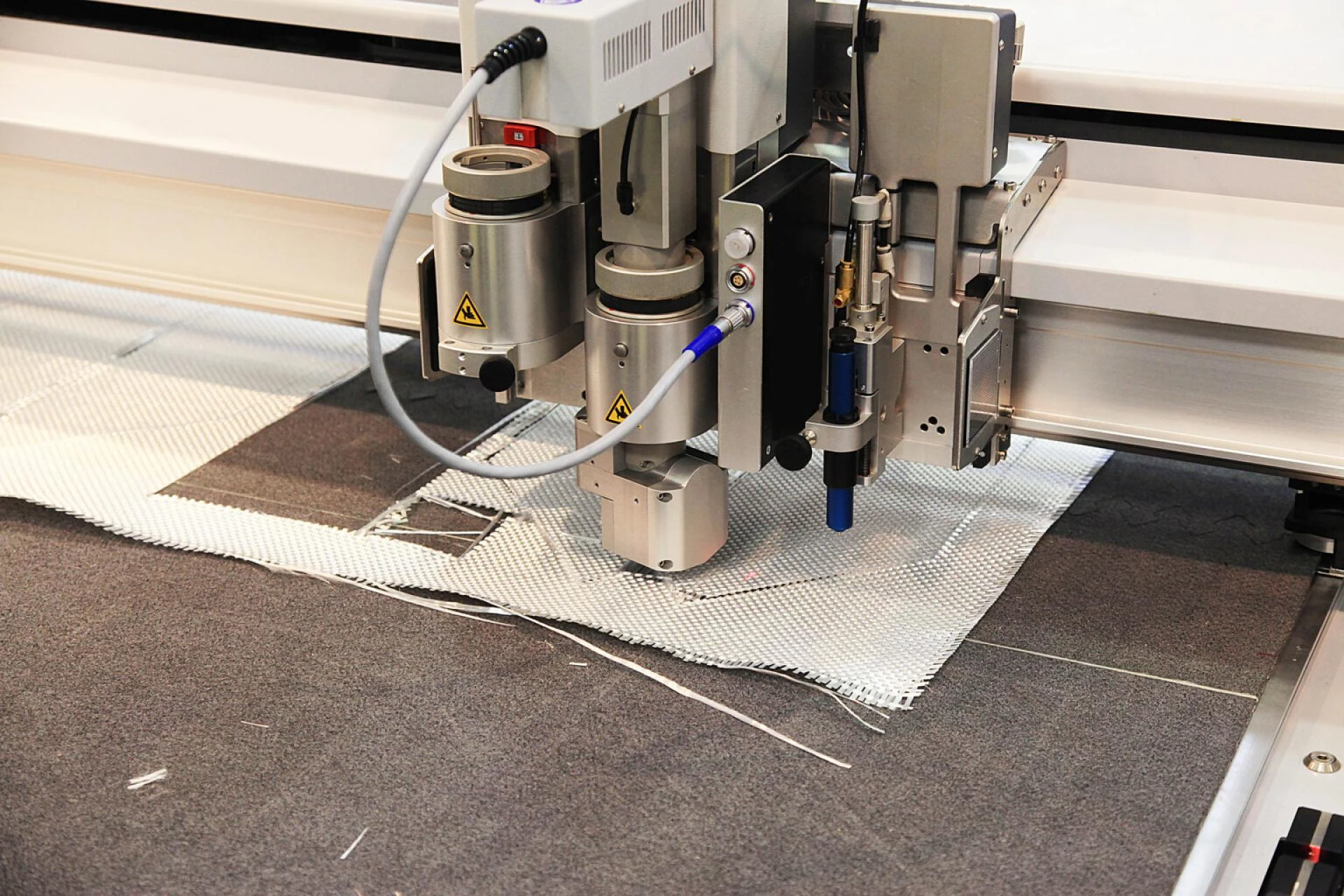
Manufacturers today are always looking for strong, lightweight, and cost-effective materials. One technology that has gained popularity in the United States is Fiberglass Resin Transfer Molding. This advanced composite manufacturing process is widely used in industries such as automotive, marine, construction, and industrial equipment.
Companies like Om Raj Tech provide access to reliable U.S.-based manufacturers that specialize in fiberglass fabrication and composite molding solutions. Through trusted partners and advanced production methods, businesses can receive high-quality fiberglass parts tailored to their specific needs.
Fiberglass Resin Transfer Molding
Fiberglass Resin Transfer Molding (RTM) is a closed-mold composite manufacturing process. In this method, dry fiberglass reinforcement is placed inside a mold, and liquid resin is injected under pressure. The resin fills the mold, binds with the fibers, and cures to form a strong, lightweight component.
This process is commonly used in custom fiberglass manufacturing, composite part production, and high-performance plastic fabrication. It is especially useful when manufacturers need consistent quality and smooth surface finishes on both sides of the part.
Step-by-Step Process of Resin Transfer Molding
Understanding the process helps businesses see why it is widely used in modern manufacturing.
1. Mold Preparation
The process begins with designing and preparing a closed mold. The mold is typically made from steel or aluminum and is designed to match the exact shape of the final product.
2. Placement of Fiberglass Reinforcement
Sheets or mats of fiberglass are placed inside the mold. These fibers give strength and structural support to the final product.
3. Resin Injection
Once the mold is closed, liquid resin—usually epoxy, polyester, or vinyl ester—is injected into the cavity. The resin flows through the fibers and fills all spaces within the mold.
4. Curing and Cooling
The resin is then allowed to cure, either at room temperature or with controlled heat. After curing, the mold is opened, and the finished fiberglass part is removed.
This process results in high-precision parts used in industrial manufacturing, automotive components, and structural composite products.
Key Benefits of Fiberglass Resin Transfer Molding
High Strength and Lightweight Design
One of the main advantages of RTM is its excellent strength-to-weight ratio. Fiberglass components are strong yet lighter than metal parts, which makes them ideal for transportation and equipment manufacturing.
Smooth Surface Finish
RTM produces parts with smooth surfaces on both sides, reducing the need for additional finishing. This is especially useful in applications where appearance and aerodynamics matter.
Consistent Quality in Mass Production
Because the process uses a closed mold, each part is produced with the same shape and thickness. This ensures consistent quality across large production runs.
Reduced Material Waste
Resin is injected in controlled amounts, which reduces waste compared to open-mold processes. This makes fiberglass RTM more cost-efficient and environmentally friendly.
Industries Using Fiberglass Resin Transfer Molding in New York
New York has a strong manufacturing base, and many industries in the state rely on composite materials. Fiberglass RTM is commonly used in:
- Automotive and truck body panels
- Marine components such as boat hulls
- Construction panels and enclosures
- Electrical housings and industrial equipment
Manufacturers often partner with companies like Om Raj Tech to source custom composite parts, fiberglass enclosures, and high-performance molded components that meet strict industry standards.
Why Businesses Choose RTM Over Other Molding Processes
Compared to traditional hand lay-up or compression molding, resin transfer molding offers better control over material distribution and thickness. This results in stronger parts with fewer defects.
RTM is also suitable for complex shapes and integrated designs, which helps reduce the need for multiple assembled parts. This improves durability and lowers production costs in the long run.
How Om Raj Tech Supports Fiberglass Manufacturing Projects
Om Raj Tech works with U.S.-based fiberglass manufacturers to deliver end-to-end solutions—from design support to full-scale production. The company connects businesses with experienced fabricators who specialize in:
- Custom fiberglass parts manufacturing
- Resin transfer molding and vacuum infusion
- Tooling, prototyping, and sub-assembly
This approach helps businesses streamline their supply chain while ensuring consistent quality and on-time delivery.
1. What is resin transfer molding used for?
Resin transfer molding is used to produce strong and lightweight composite parts for industries such as automotive, aerospace, marine, and construction.
2. Is fiberglass RTM better than traditional fiberglass molding?
RTM offers better surface finish, more consistent quality, and less material waste compared to traditional open-mold fiberglass processes.
3. What materials are used in fiberglass resin transfer molding?
The process uses fiberglass reinforcement combined with resins such as epoxy, polyester, or vinyl ester to create durable composite parts.
4. Is resin transfer molding suitable for mass production?
Yes, RTM is ideal for medium-to-high volume production because it provides repeatable results and consistent part quality.
Conclusion
Fiberglass Resin Transfer Molding has become an important manufacturing process for producing strong, lightweight, and high-quality composite parts. Its ability to create complex shapes with smooth finishes makes it a preferred solution across many industries in New York and throughout the United States.
With the support of experienced partners like Om Raj Tech, businesses can access advanced composite manufacturing capabilities and reliable production resources. Whether you need custom fiberglass panels, structural components, or industrial enclosures, RTM offers a durable and cost-effective solution for modern manufacturing needs.