Choosing between fiberglass batt and blown-in insulation depends on where the insulation is going, the condition of the existing space, and how well the material can be installed. Fiberglass batt insulation works well in open wall, floor, and ceiling cavities, while blown-in insulation is often better for attics, enclosed cavities, and hard-to-reach areas.
For homeowners comparing fiberglass batt vs. blown-in insulation in Grants Pass,OR the right choice is less about picking one material as the universal winner. The better option depends on the structure, available cavity space, existing insulation, air leaks, and target R-value.
Fiberglass Batt vs. Blown-In Insulation At A Glance
Both insulation types can improve comfort and reduce heat transfer when properly installed. ENERGY STAR explains that batts are commonly used for unfinished walls, floors, and ceilings, while loose-fill and blown-in materials are suited to existing wall cavities, attic floors, and difficult areas. ENERGY STAR's insulation type guidance
FeatureFiberglass BattBlown-In InsulationMaterialFiberglass blanketFiberglass or cellulose fibersBest UseOpen wall, floor, and ceiling cavitiesAttics, enclosed cavities, hard-to-reach areasInstallationCut and fitted into cavitiesBlown through a hoseIrregular SpacesMore difficult to fitFills uneven areas more easilyGapsCan occur if poorly fittedCan provide more complete cavity coverageAttic UseWorks when installed correctlyCommon choice for attic floorsBest ForAccessible, open cavitiesExisting or irregular spacesWhy Choose Professional Insulation Services?
Good insulation depends on more than the material itself. Poor fitting, gaps, compression, uneven coverage, and missed areas can reduce performance.
A professional assessment can identify where insulation is missing and whether the existing material can remain in place. It can also help determine whether additional insulation, air sealing, or another solution is needed. For Grants Pass homeowners, this matters when upgrading older homes or improving areas that are difficult to access. The goal is consistent insulation coverage that matches the home's construction.
Benefits Of Fiberglass Batt Insulation
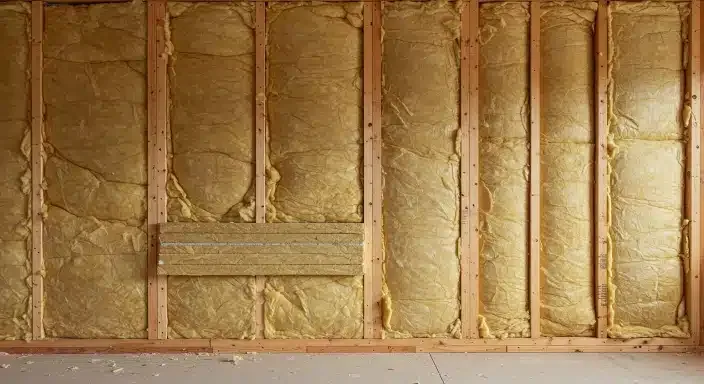
Fiberglass batts insulation is manufactured in standard sizes and designed to fit between framing members. It can be a practical choice when the cavities are open and accessible.
Key benefits include:
- Simple installation: Batts can be fitted directly between studs, joists, or rafters when the space is properly prepared.
- Consistent sizing: Standard dimensions make them practical for many conventional framing layouts.
- Good cavity coverage: Properly fitted batts can provide effective thermal resistance without unnecessary material in open cavities.
- Easy inspection: Open batt installations can be visually checked for gaps, compression, or missing sections.
The main concern is fit. A batt should fill the intended cavity without large gaps, voids, or compression.
Benefits Of Blown-In Insulation
Blown-in insulation services are useful when spaces are irregular or difficult to reach. This insulation can be installed in attic areas and enclosed wall cavities using specialized equipment.
Important benefits include:
- Better access to difficult spaces: Blown-in material can reach areas that are awkward for traditional batts.
- Useful for existing homes: It can be installed into certain enclosed wall cavities without removing large sections of finished wall.
- Good attic coverage: Blown-in insulation is commonly used across attic floors.
- Flexible application: Fiberglass or cellulose can be selected based on the project and installation requirements.
Installation quality still matters. The material must be distributed evenly and installed to the required depth.
Fiberglass Batt vs. Blown-In: Which Is Better?
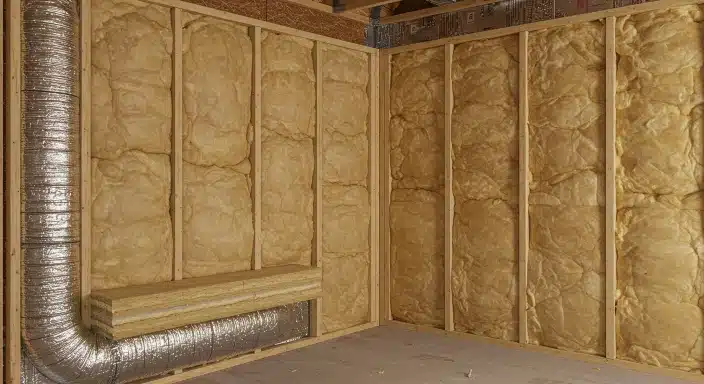
There is no single answer for every Grants Pass home. Fiberglass batt is often a practical choice for open, accessible cavities, while blown-in insulation can be more effective for irregular areas, existing cavities, and attic floors. The condition of the space should guide the decision.
For example, an unfinished wall with exposed studs may be straightforward for batt installation. An older attic with uneven areas and difficult corners may be better suited to blown-in insulation. In some projects, combining insulation types can also make sense. ENERGY STAR notes that additional loose-fill insulation can be installed over existing fiberglass batts when the assembly and materials are appropriate.
Common Insulation Problems In Grants Pass Homes
Insulation problems are not always caused by choosing the wrong material. Installation and existing building conditions can have a major effect.
Common issues include:
- Uneven attic insulation: Low spots can leave parts of the ceiling less protected than others.
- Gaps around framing: Poorly fitted batts can leave pathways where heat moves through the assembly.
- Compressed insulation: Compression can reduce the intended performance of some insulation products.
- Missing insulation: Older homes may have areas with little or no insulation.
- Air leaks: Insulation does not replace proper air sealing. Air movement around insulation can reduce its effectiveness.
Before adding insulation, the existing assembly should be inspected. Sealing important air leaks can improve the overall result.
How Grants Pass Weather Affects Insulation
Grants Pass experiences seasonal temperature changes, so insulation needs to perform during both heating and cooling periods. A properly insulated home can help reduce unwanted heat transfer through ceilings, walls, and floors. Oregon guidance also recommends strong insulation levels for areas such as attics, floors, and walls, depending on the building and project.
Homeowners should also consider the condition of the attic and roof assembly. Moisture problems, ventilation issues, and air leaks should be addressed as part of the project rather than simply covering them with more insulation.
Understanding R-Value
R-value measures how well insulation resists heat flow. A higher R-value generally means greater resistance to heat transfer. However, the target R-value depends on the location, building assembly, climate, and applicable requirements.
ENERGY STAR provides climate-specific retrofit recommendations and explains that insulation levels should be selected based on the area of the home and existing conditions. ENERGY STAR's recommended insulation R-values
Oregon also has specific residential energy requirements. The state's 2023 Residential Specialty Code includes requirements for insulation and other parts of the building envelope. Oregon's Residential Specialty Code energy requirements
Pros And Cons Of Fiberglass Batt
Fiberglass batt can be a strong option when the framing is open and accessible.
Pros:
- Straightforward for accessible cavities.
- Available in different thicknesses and R-values.
- Easy to inspect after installation.
- Practical for many wall, floor, and ceiling applications.
Cons:
- Requires accurate cutting and fitting.
- Gaps can reduce performance.
- Irregular cavities can be harder to fill properly.
- Existing finished walls can make installation more difficult.
Pros And Cons Of Blown-In Insulation
Blown-in insulation offers flexibility for spaces that are difficult to reach with batts.
Pros:
- Works well in many attic applications.
- Can reach irregular and hard-to-access areas.
- Useful for certain existing wall cavities.
- Can provide even coverage when professionally installed.
Cons:
- Requires specialized blowing equipment.
- Installation depth must be controlled.
- Poor application can create uneven coverage.
- Existing moisture or air-leak problems should be addressed first.
Why Choose All Foam & Insulation, LLC?
All Foam & Insulation, LLC has served insulation customers since 2009. The company focuses on insulation solutions designed to improve comfort, energy efficiency, and long-term performance. A professional insulation service can evaluate the existing space before recommending a material. That approach helps homeowners avoid paying for insulation that does not match the building's actual needs.
The right installation also matters. Proper coverage, correct material depth, cavity fit, and attention to air leakage all contribute to better insulation performance.
Conclusion
The choice between fiberglass batt vs. blown-in insulation depends on the home's structure and the area being insulated. Fiberglass batt is practical for accessible cavities with regular framing. Blown-in insulation is often a better fit for attic floors, enclosed cavities, and irregular spaces. In either case, proper installation is essential.
For Grants Pass homeowners, the best insulation solution should consider existing conditions, R-value, air sealing, moisture concerns, and applicable Oregon requirements.
Get Professional Insulation Help In Grants Pass
If you are unsure whether fiberglass batt or blown-in insulation is right for your home, All Foam & Insulation, LLC can help assess your insulation needs.
Call (541) 826-9600 or email [email protected] to discuss your project and find a practical insulation solution for your home.
FAQs
Is Fiberglass Batt Or Blown-In Insulation Better?
Neither option is always better. Fiberglass batt works well in open, regular cavities, while blown-in insulation is often useful for attics, enclosed cavities, and irregular spaces.
Is Blown-In Insulation Good For Attics?
Yes. Blown-in insulation is commonly used on attic floors because it can cover large areas and reach spaces that may be difficult to insulate with batts.
Can You Put Blown-In Insulation Over Fiberglass Batts?
In some situations, yes. ENERGY STAR notes that loose-fill insulation can be added over existing fiberglass batts when the assembly is suitable.
Does Higher R-Value Mean Better Insulation?
A higher R-value generally provides greater resistance to heat flow. The appropriate R-value depends on the climate, building assembly, and applicable requirements.
Should Air Leaks Be Fixed Before Adding Insulation?
Yes. Air sealing can help prevent unwanted air movement around insulation. The insulation should be installed after important air leakage problems are addressed.
Author & Reviewer
Author: Joe Lorenz
I’m Joe Lorenz, owner of All Foam & Insulation, LLC. My company was established on January 1, 2009, and I have extensive hands-on experience in the insulation industry. My focus is providing quality insulation solutions that support comfort, energy efficiency, and long-term performance.
Reviewer: Lily Johnson
Lily Johnson reviewed this post based on her 8 years of experience in the spray foam insulation field. Her feedback focused on making the guide clear, practical, and useful for homeowners looking for quality insulation solutions.