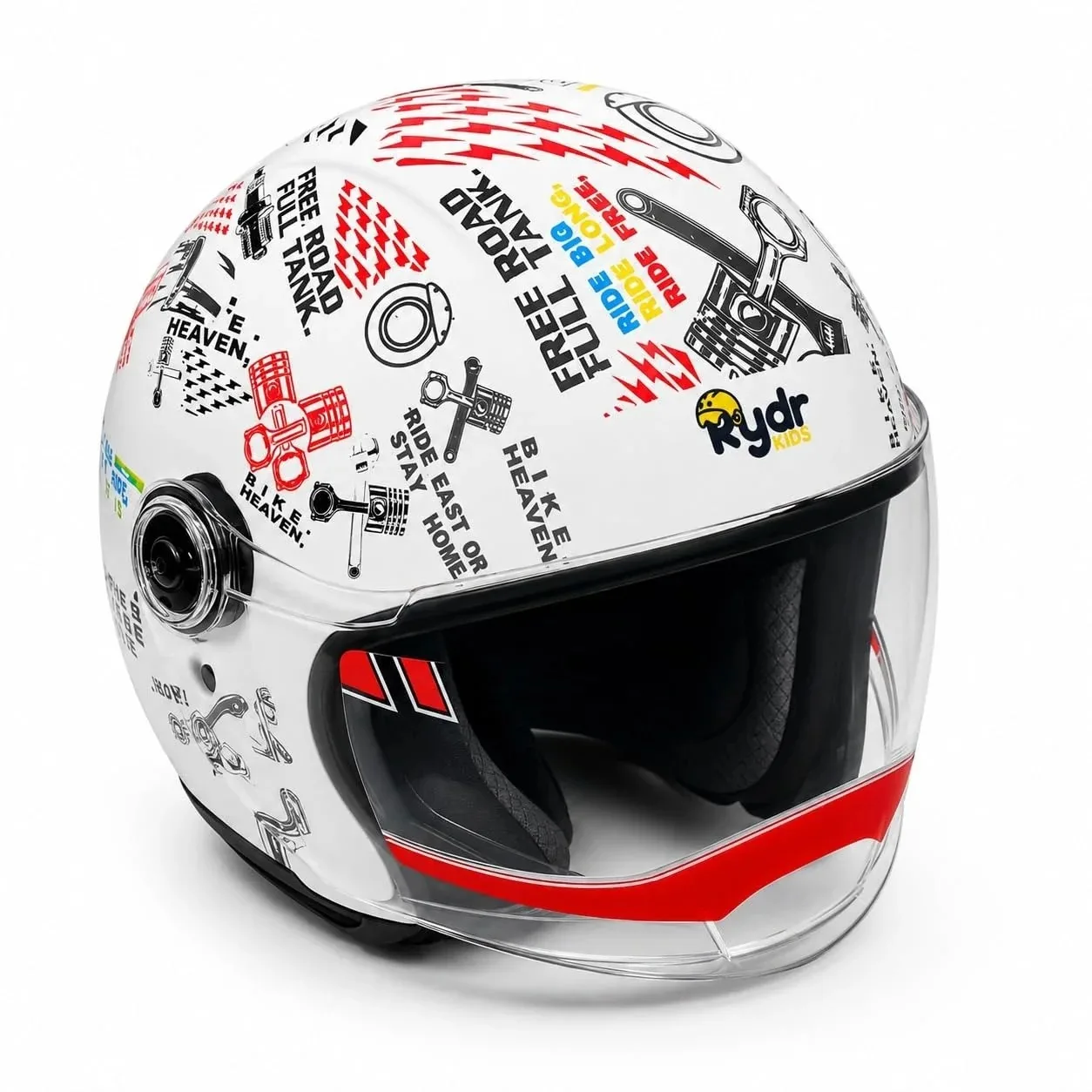
Choosing the right motorcycle helmet is an essential step for every woman who rides a two-wheeler. Whether travelling to work, attending classes, running errands, or planning a weekend ride, a helmet should provide reliable protection while remaining comfortable throughout the journey. With different designs, sizes, colours, and features available, finding a suitable female helmet requires more than simply choosing an attractive style.
Fit, safety certification, ventilation, weight, and overall construction all influence the riding experience. Understanding these factors helps women compare available options and select a helmet that suits their needs without compromising on safety.
Why Choosing the Right Helmet Matters
A motorcycle helmet is designed to reduce the risk of serious head injuries during a crash. However, its effectiveness depends on factors such as construction, fit, condition, and correct use. A helmet that is too loose may move during a collision, while one that is excessively tight can cause discomfort and make regular riding less enjoyable.
Women should not assume that a helmet is suitable simply because it is marketed specifically for them. Head shapes and sizes vary from person to person, so the most important considerations are proper fit, verified safety standards, and compatibility with individual riding requirements.
A well-selected helmet can make daily commuting more comfortable while encouraging consistent helmet use on every ride.
Understanding Different Helmet Styles
Before purchasing a female helmet, it helps to understand the main helmet styles and the differences in coverage they provide.
Full-Face Helmets
Full-face helmets cover the top, sides, and back of the head, along with the chin and jaw. They generally provide more comprehensive coverage than open-face or half helmets. Many models include a visor to help shield the eyes and face from wind, dust, insects, and road debris.
This design may be a suitable option for riders who regularly travel through busy traffic or take longer journeys.
Open-Face Helmets
Open-face helmets cover the top and sides of the head but leave the face and chin more exposed than full-face designs. Some models include a visor or compatible eye protection.
They offer an open riding experience, but the reduced facial coverage should be considered when comparing safety and comfort.
Half Helmets
Half helmets generally cover the top of the head while leaving much of the face and jaw exposed. Their compact construction may appeal to riders who prefer a minimalist design. However, they provide less coverage than full-face helmets, making it important to understand their limitations before buying.
The right style depends on the rider's preferences, local requirements, and the level of coverage desired.
How to Find the Correct Helmet Fit
Fit is one of the most important factors when choosing a helmet. A suitable design should sit securely on the head without causing pain or excessive pressure.
Follow these steps when comparing sizes:
- Measure your head: Use a measuring tape around the widest part of your head, following the manufacturer's sizing instructions.
- Check the size chart: Helmet sizing can differ between brands and models, so do not rely on your usual clothing or accessory size.
- Test the fit: The helmet should feel snug and even around the head, without painful pressure points.
- Check movement: Gently try to move the helmet from side to side. It should not rotate freely or slide over the head.
- Fasten the chin strap: Secure the strap according to the manufacturer's instructions and check that the helmet remains stable.
- Wear it for several minutes: This can help identify discomfort around the forehead, temples, or cheeks before making a purchase.
Women with longer hair should also check how their usual hairstyle affects helmet fit. Hair should not prevent the helmet from sitting correctly or interfere with the strap.
Essential Safety Features to Check
A female helmet should be evaluated primarily on its safety features rather than colour, appearance, or price alone.
Safety Certification
Check that the specific helmet complies with the safety standards applicable in your location. In India, look for the relevant BIS certification and confirm that the product is approved for motorcycle use. Purchase from a reputable seller and examine the product's labelling and manufacturer details.
Strong Shell Construction
The outer shell is an important part of the helmet's protective structure. Check the overall build quality and avoid products with cracks, visible defects, loose components, or unclear safety information.
Impact-Absorbing Liner
The inner liner is designed to help manage impact forces. It should be intact and properly fitted. Do not modify the liner or add unapproved materials that could affect the helmet's performance.
Secure Retention System
The chin strap and fastening mechanism help keep the helmet in place. Check that the buckle operates correctly and that the strap can be adjusted securely.
Visor and Eye Protection
A clear, suitable visor can improve comfort by helping protect the eyes from wind and airborne debris. Check that it moves properly and does not significantly obstruct your view. Tinted visors should be appropriate for the lighting conditions in which you ride.
Comfort Features for Everyday Riding
Comfort becomes especially important for women who wear helmets during daily commutes or longer journeys. The right features can make regular use easier without replacing essential safety requirements.
Ventilation: Airflow can help reduce heat and moisture inside the helmet. Look for ventilation features that suit your local weather and typical riding conditions.
Weight and balance: A helmet should feel stable and manageable when worn. Compare the manufacturer's weight specifications and try the helmet on if possible.
Inner padding: Soft, properly fitted padding can improve comfort. Removable and washable liners may be useful if they are supported by the manufacturer.
Glasses compatibility: Riders who wear spectacles should check that the helmet fits comfortably without putting excessive pressure on the temples.
Ease of maintenance: A helmet that can be cleaned according to the manufacturer's instructions may be easier to maintain during regular use.
Common Mistakes to Avoid
When shopping for a female helmet, avoid selecting a size that is too large simply because it feels more comfortable initially. Do not choose a helmet solely because it matches your motorcycle or riding outfit, and never assume that a low price guarantees adequate protection.
Avoid using damaged helmets or purchasing products without reliable certification information. Accessories and aftermarket modifications should also be checked for compatibility with the helmet.
Finally, make sure the helmet is fastened correctly every time you ride, even when travelling only a short distance.
Final Thoughts
Selecting a suitable female helmet involves balancing fit, protection, and everyday comfort. From full-face designs that offer more extensive coverage to open-face and half-helmet styles with a more open feel, each option has different characteristics that riders should understand before making a decision.
Prioritise appropriate safety certification, a secure fit, reliable construction, and features that support your riding routine. Consider ventilation, padding, visor quality, and compatibility with glasses or hairstyles only after checking the essential safety requirements.
A well-chosen helmet is more than a riding accessory. It is an important part of responsible riding that helps women approach every journey with greater comfort, awareness, and confidence.