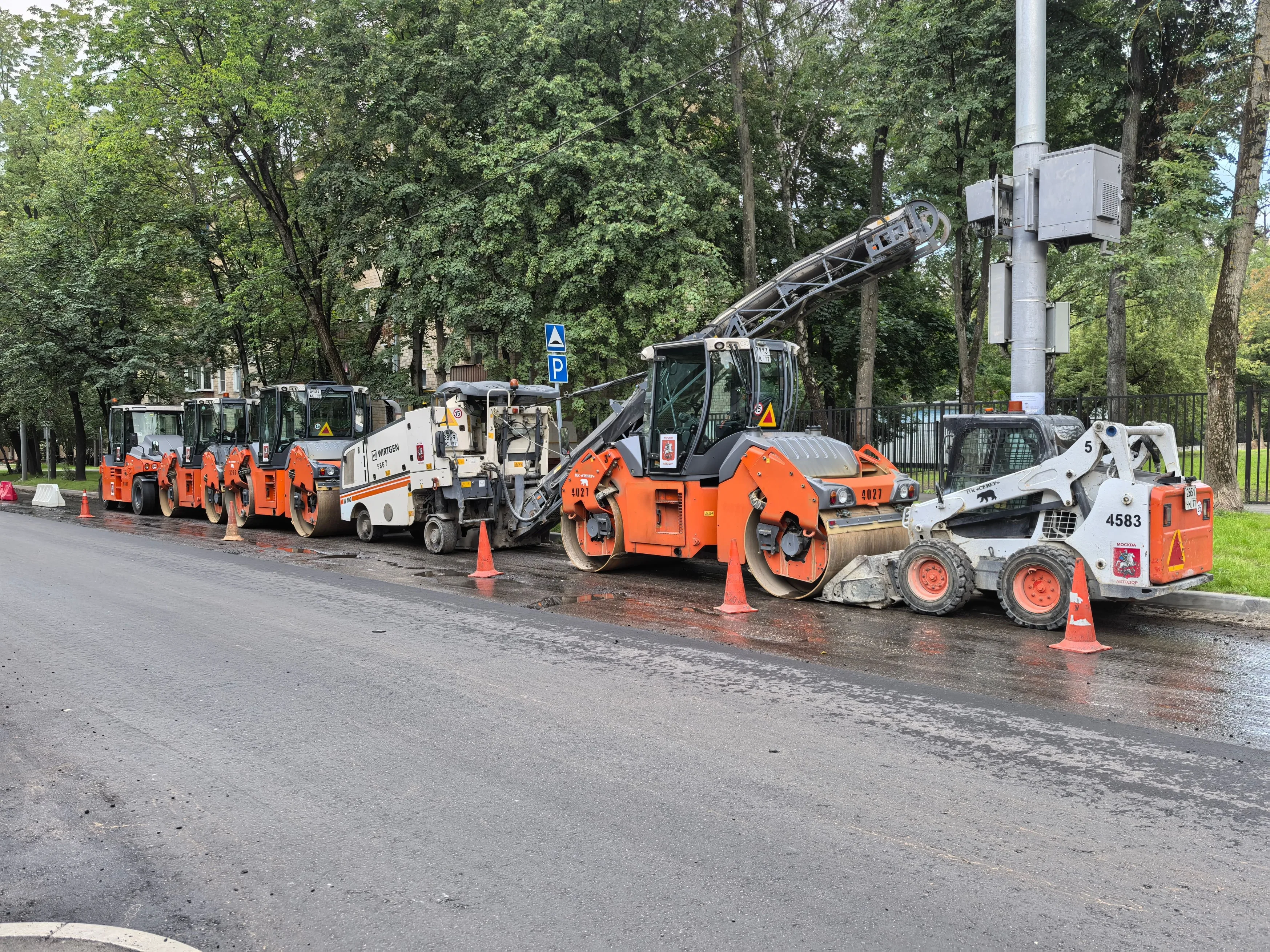
Roads carrying heavy freight loads face a fundamentally different set of engineering demands than those designed primarily for passenger vehicles. The cumulative stress of repeated axle loading, combined with moisture infiltration and temperature cycling under Australian climate conditions, creates a specific set of failure mechanisms that need to be designed against from the outset, rather than addressed reactively once deterioration sets in.
The engineering choices made during infrastructure construction determine how long a pavement network can perform safely and what it costs to maintain over its design life. Getting those choices right is where the discipline of heavy-duty pavement engineering earns its value.
How fatigue failure develops in flexible pavements
Fatigue cracking is the most common form of structural failure in flexible road pavement under heavy traffic loading. It develops through the accumulation of tensile strain at the base of the asphalt layer. Each pass of a heavy vehicle slightly deflects the pavement, and over thousands of load repetitions, those micro-strains compound into visible cracking at the surface.
The rate at which fatigue damage accumulates depends on several variables: the stiffness of the pavement structure, the magnitude of the applied loads, the temperature of the asphalt at the time of loading, and the moisture condition of the underlying layers. A pavement that performs adequately under normal conditions can deteriorate rapidly when any of these variables moves outside the design envelope, particularly when moisture infiltration reduces the bearing capacity of the subgrade or granular layers beneath the bound surface.
The role of polymer-modified binders
Conventional bitumen performs reasonably well under moderate traffic and climate conditions, but its properties change significantly with temperature. At high temperatures, it softens, increasing susceptibility to rutting under heavy loads. At low temperatures, it becomes more brittle, reducing its ability to accommodate pavement movement without cracking.
Polymer modification addresses both ends of that performance range. Elastomeric polymer-modified binders incorporating materials such as styrene-butadiene-styrene introduce a three-dimensional polymer network that improves elastic recovery, allowing the pavement to flex under load and return to its original form rather than accumulate permanent deformation. This improved elasticity directly reduces the rate of fatigue damage accumulation under repeated loading.
Plastomeric modifiers, including ethylene-vinyl acetate compounds, improve stiffness and resistance to rutting at high temperatures, making them well-suited to heavily loaded intersections, freight routes, and bus lanes where surface deformation is a persistent risk. The selection of modifier type is driven by the specific performance demands of the application, which is why mix design on high-volume freight routes requires detailed engineering input rather than a standard specification.
Moisture management as a structural priority
Water is the most damaging agent acting on a pavement structure over its life. Moisture infiltrating through surface cracks or entering laterally through unprotected edges weakens granular base materials, reduces subgrade bearing capacity, and accelerates the deterioration of bound layers through a process known as stripping, where water displaces the binder from aggregate surfaces, progressively reducing the cohesion of the mix.
Subsurface edge drainage is one of the most effective tools for managing moisture within the pavement structure. By providing a controlled drainage path for water that enters the pavement cross-section, edge drains prevent saturation of granular layers during and after rainfall events. The Austroads Guide to Pavement Technology makes it clear that boxed pavement construction, in which the pavement structure is enclosed within relatively impermeable verge material, must incorporate appropriate subsurface drainage treatment to prevent saturation of layers within the pavement structure over its design life.
Managing moisture at the pavement edge also directly reduces the risk of edge break and edge subsidence structural failures that develop when saturated material at the pavement boundary loses bearing capacity and deforms under traffic loading, progressively widening toward the travelled lanes.
Reflective cracking and how it is addressed
Reflective cracking occurs when movement in a bound or stabilised layer beneath an asphalt overlay propagates upward through the new surface. Effectively, the existing crack or joint continues to move, working its way through the overlay from below. On high-volume freight routes where existing pavement rehabilitation involves asphalt overlays above previously cracked or stabilised material, reflective cracking is a significant design consideration.
Where improved resistance is required, Austroads guidance recommends using strain-alleviating membrane interlayers, a spray-applied treatment placed between the existing surface and the new overlay that absorbs differential movement at the crack plane rather than allowing it to be transmitted directly upward. Geotextile reinforcement systems serve a similar function, providing a flexible interlayer that distributes strain and delays the onset of reflective cracking in the new surface.
The maintenance cost equation
Every engineering investment made in fatigue resistance and moisture management during construction reduces the maintenance liability that accumulates over the pavement's operating life. Pavements built with polymer-modified binders, well-designed subsurface drainage, and appropriate interlayer systems require less reactive intervention, withstand extreme weather events better, and retain their structural integrity through more load repetitions before rehabilitation is required.
For road asset owners and local government authorities managing constrained maintenance budgets, the long-term cost case for getting the structural design right is straightforward. The engineering that seems like an upfront premium at the construction stage is the engineering that avoids far more expensive intervention a decade later.