
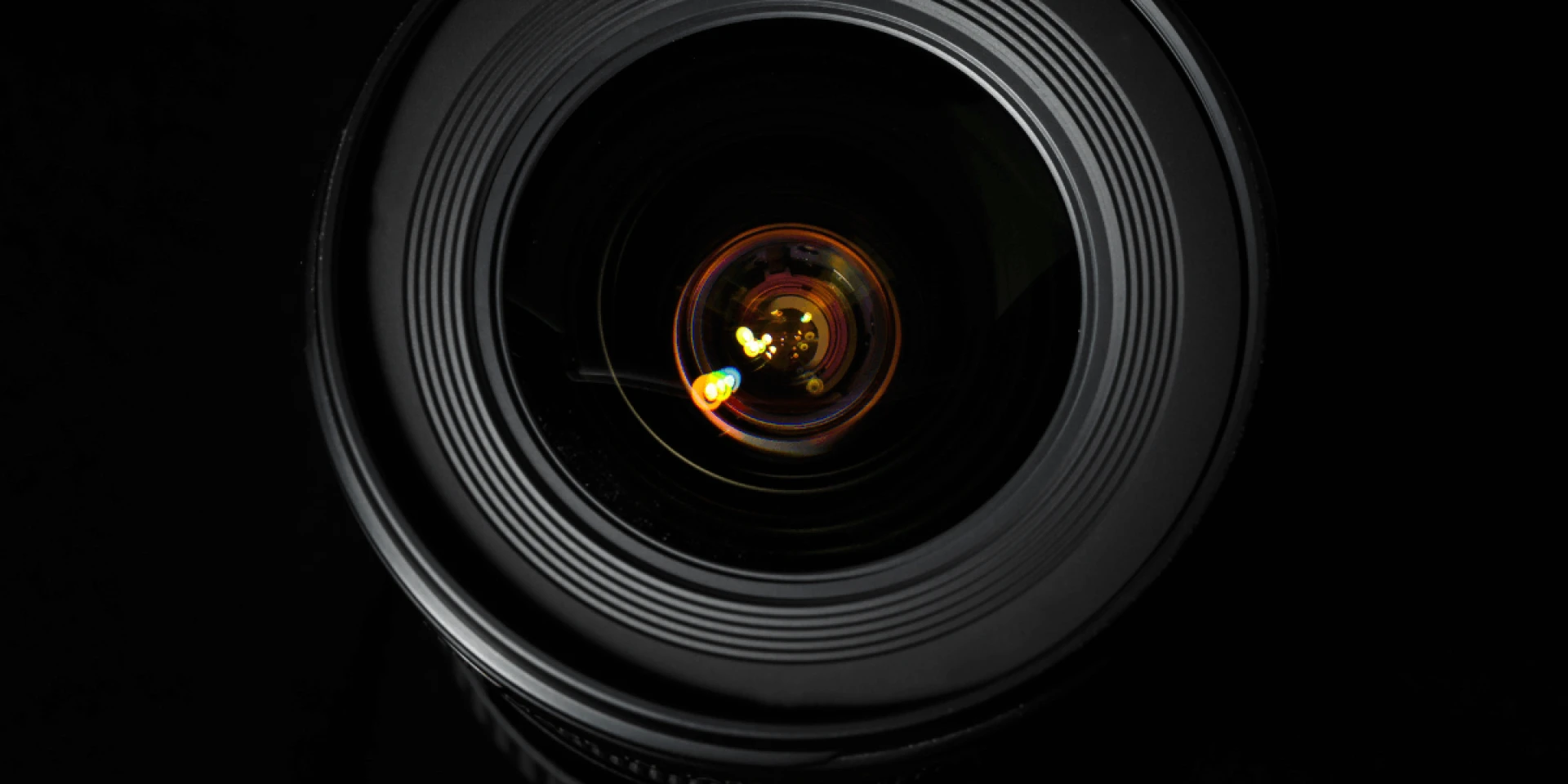
What Is a Fast Lens?
When photographers talk about a lens being “fast,” they’re referring to how much light it lets in, not how fast it focuses. It’s all about the size of the aperture. A fast lens has a larger maximum aperture, letting more light hit the sensor compared to a slower lens. You’ll hear this expressed in f-numbers: the smaller the f-number, the “faster” the lens. So an f/2.0 lens is faster than an f/4.0 lens—they let in more light and open up creative possibilities.
Why Do Fast Lenses Matter?
1. Freeze the Moment with Fast Shutter Speeds
Wide apertures mean more light gets in, which means you can pick faster shutter speeds without darkening your shot. If you’re photographing a moving subject in low light—like a concert or street scene—a fast lens can be a real lifesaver. Plus, because you can shoot with lower ISO, your images stay cleaner and more refined.
That is exactly why they call these lenses “fast.” They let you capture crisp, sharp shots at times when other lenses just don’t keep up.
2. Achieve Gorgeous Background Blur
When you open the aperture wide, you get shallow depth of field. That creamy background blur makes your subject pop and gives your photos a professional feel. Stopping down to f/4 or f/5.6 brings everything into focus, so fast lenses give you total control over how much background blur you want.
Top Fast Lenses Worth Trying
Nikon NIKKOR Z 58mm f/0.95 S Noct
This is Nikon’s modern take on their legendary Noct lens for Z-mount mirrorless cameras. With a huge f/0.95 aperture and manual focus, this lens is magical in low light. The front element is big enough for 82mm filters and it handles depth of field like a dream.
Advanced coatings like ARNEO and Nano Crystal reduce flare and ghosting so that your shots look clean even with bright lights in the frame. They also added an info panel and customizable buttons—features real users appreciate in the field.
Fujifilm XF 50mm f/1.0 R WR
Fujifilm’s fastest autofocus lens for X-mount cameras comes in at f/1.0. Its portrait-ready focal length (76mm equivalent) and light-gathering power make it a favorite in dim environments. The optical design cuts distortion, and fast autofocus + weather sealing makes it a dependable companion outdoors.
It also delivers gorgeous bokeh thanks to nine rounded diaphragm blades and stays sharp thanks to extra-low dispersion elements. This lens is built for storytellers who want elegant results straight from the camera.
SLR Magic Cine II 50mm f/1.1
This cine-style lens for Sony E-mount is made for both stills and movies. With f/1.1, it delivers creamy background separation. Weighting just about one pound, it’s easy to handle. The geared rings and clickless iris control are a filmmaker’s dream.
The iris has 13 blades, giving smooth bokeh, and the front element doesn’t rotate—great news if you like using polarizers or matte boxes.
Fast Lenses vs. Slow Lenses
Here’s a quick comparison:
FeatureFast Lens (f/1.4–f/2.8)Slow Lens (f/4–f/5.6)ApertureWide, more lightNarrower, less lightLight HandlingGreat for low light, fast actionNeeds more light or higher ISODepth of FieldShallow, creamy background blurDeeper, more in focusPriceMore expensive to manufactureUsually less expensiveSize & WeightBulky and heavyCompact and lighterVersatilityGreat for portraits, events, nightPerfect for landscapes, docs
When to Choose Each Lens
Reach for a Fast Lens If You Want:
- High-speed shots in low light
- Dreamy, blurred backgrounds
- Creative separation in portraits or close-ups
Stick with a Slow Lens If You Need:
- Lightweight, pocket-friendly gear
- Greater depth of field, like for landscapes
- Budget-conscious options
If you’re on the lookout for lenses that deliver excellence, check out Nikon camera lenses in Pakistan at Golden Camera. They offer quality gear for both professionals and hobbyists.