Factory automation system integrators play a pivotal role in the success of modern manufacturing. As industries move toward more intelligent, efficient, and interconnected production environments, the need for seamless integration of automation technologies has never been greater. These integrators serve as the architects of smart factories—bringing together machinery, software, robotics, and control systems into a unified, automated workflow that boosts productivity, quality, and scalability.
In a world increasingly defined by Industry 4.0, manufacturers are investing heavily in automation to stay competitive. From programmable logic controllers (PLCs) to industrial robotics, data analytics, and cloud-based monitoring, there’s a lot to manage—and that’s where factory automation system integrators like Xautomationllc.com come in. They have the expertise to design, implement, and maintain systems that allow manufacturers to operate at peak efficiency with minimal human intervention.
What Do Factory Automation System Integrators Do?
Factory automation system integrators are responsible for combining various components—hardware and software—into a comprehensive system that can operate autonomously or semi-autonomously. These components often include:
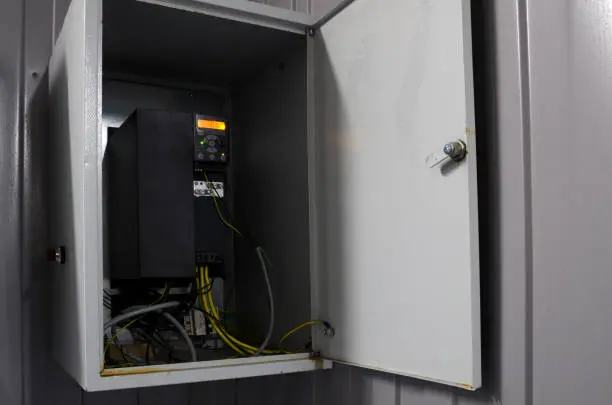
- PLCs and distributed control systems (DCS)
- Human-machine interfaces (HMI)
- Sensors and actuators
- SCADA systems (Supervisory Control and Data Acquisition)
- Robotics and motion control
- Industrial networking and cybersecurity
- Manufacturing execution systems (MES)
The integrator’s job is to ensure these elements work together seamlessly to control manufacturing processes, monitor performance, reduce errors, and ensure product consistency. This involves system design, programming, testing, installation, commissioning, and ongoing support.
Why Factory Automation Matters
Factory automation isn’t just about replacing manual labor—it’s about creating smarter, safer, and more scalable operations. With the help of experienced factory automation system integrators, businesses can:
- Increase Productivity: Automated systems work faster and more consistently than human labor, significantly increasing throughput.
- Reduce Human Error: Automation minimizes variability and eliminates common errors associated with manual processes.
- Enhance Safety: Integrators can design systems that remove workers from hazardous environments by using robots or remote monitoring.
- Improve Quality Control: Automation allows for real-time monitoring, tighter process control, and immediate response to issues.
- Reduce Downtime: Predictive maintenance and remote diagnostics keep operations running longer and more reliably.
- Optimize Costs: While the upfront investment is significant, long-term savings on labor, waste, and inefficiency can be substantial.
Industries Relying on Automation Integration
The demand for factory automation system integrators spans numerous industries, including:
- Automotive Manufacturing: Robotics and precision control for assembly lines and painting processes.
- Food and Beverage: Hygienic automation systems for packaging, filling, and bottling.
- Pharmaceuticals: Compliance-driven automation for mixing, labeling, and inspection.
- Electronics: High-speed, high-precision automation for PCB assembly and testing.
- Consumer Goods: End-to-end automation in sorting, packaging, and logistics.
Each industry has unique needs, which makes tailored automation solutions—and the integrators who deliver them—absolutely essential.
Key Skills of a Quality System Integrator
Not all automation partners are created equal. The best factory automation system integrators bring a well-rounded skillset, including:
- Electrical and Control Engineering: Deep understanding of how to design, wire, and troubleshoot industrial control systems.
- PLC and HMI Programming: Expertise in platforms such as Allen-Bradley, Siemens, Schneider Electric, and others.
- Data Integration: Connecting shop-floor data with ERP, MES, and cloud platforms for smarter decision-making.
- Cybersecurity Knowledge: Securing factory networks and control systems from modern threats.
- Regulatory Compliance: Ensuring systems meet standards such as UL 508A, NFPA 70, FDA regulations, and ISO certifications.
These skills are essential in turning an automation concept into a functional, reliable solution.
Why Choose Xautomationllc.com?
When it comes to choosing a trusted partner for your factory automation needs, Xautomationllc.com stands out as an industry leader. With years of hands-on experience and a track record of success across various industries, their team of skilled engineers delivers tailored automation solutions that meet both current needs and future growth.
Here’s what makes them a top choice:
- Custom System Design: Every solution is built to fit your plant’s unique layout and operational goals.
- Advanced Integration Skills: They connect legacy equipment with modern automation seamlessly.
- Turnkey Solutions: From control panel design to PLC programming and full system commissioning, they handle everything.
- Responsive Support: Their commitment to customer success means they’re available long after project completion for troubleshooting, updates, and enhancements.
Whether you’re starting from scratch or upgrading an outdated setup, Xautomationllc.com provides the insight, innovation, and execution needed to make your factory automation investment a success.
Conclusion
Factory automation system integrators are the unsung heroes behind today’s most efficient and intelligent manufacturing operations. By blending mechanical, electrical, and digital systems into a cohesive whole, they help businesses reduce costs, improve quality, and scale production with confidence.
If you’re ready to take the next step toward smarter manufacturing, working with a proven expert like Xautomationllc.com ensures that your systems are not only built for today but also for the innovations of tomorrow. With the right integration partner, the future of your factory is automated, optimized, and ready for anything.