
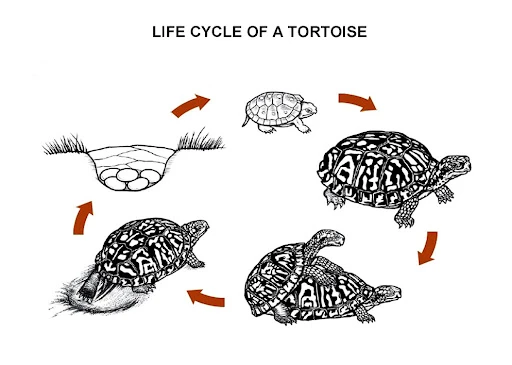
Tortoises are some of the most fascinating creatures on the planet, known for their slow pace, hard shells, and impressive lifespans. Understanding the factors that influence their longevity is crucial for both pet owners and wildlife enthusiasts. The tortoise life period can vary widely depending on a combination of genetics, habitat, diet, and care practices. This article explores the key elements that determine how long tortoises can live and how you can help ensure a long, healthy life for these remarkable animals.
Genetic Influence on Tortoise Life Period
One of the most significant factors influencing the tortoise life period is genetics. Different species of tortoises have inherently different lifespans. For example, the Galápagos tortoise is known to live over 100 years, while smaller species like the Russian tortoise may only live up to 50 years. Genetics not only determine lifespan but also susceptibility to certain diseases and physical conditions.
When acquiring a tortoise, it is essential to research the specific species and their average tortoise life period. Breeders and conservation programs often provide insight into expected lifespans, allowing owners to prepare for long-term care requirements. Genetics also play a role in how tortoises age, affecting mobility, shell development, and overall health.
Habitat and Environmental Conditions
The environment where a tortoise lives plays a vital role in its longevity. In the wild, tortoises adapt to specific climates, terrains, and vegetation. When kept in captivity, it is important to replicate their natural habitat as closely as possible to maintain a healthy tortoise life period.
Temperature, humidity, and access to sunlight are crucial. Tortoises require UVB lighting to synthesize vitamin D3, which supports strong shell and bone development. Poor habitat conditions, such as inadequate heating or moisture levels, can lead to respiratory infections, shell deformities, and stunted growth, all of which can shorten the tortoise life period.
Nutrition and Diet Management
Diet is another key factor affecting the tortoise life period. A balanced diet rich in calcium, fiber, and essential vitamins is crucial for maintaining health and preventing diseases. Leafy greens, vegetables, and certain fruits are staples, but it is vital to avoid high-protein foods that can harm the kidneys and shell growth.
If you’re unsure about proper dietary management, consulting with a veterinarian is highly recommended. For instance, at Park Hills Animal Hospital, experts provide guidance on tortoise nutrition, helping owners optimize their pet’s diet for longevity. Ensuring that tortoises receive the correct amounts of calcium and vitamin D3 can significantly extend their tortoise life period.
The Role of Hydration in Longevity
Proper hydration is essential for tortoise health and affects their tortoise life period directly. Tortoises often require regular access to fresh water for drinking and soaking. Dehydration can lead to kidney damage, urinary tract infections, and digestive issues, all of which can shorten their lifespan.
Owners should monitor water intake, provide shallow water dishes, and soak tortoises periodically, especially in species prone to dryness in captivity. Hydration also assists in nutrient absorption and supports proper metabolic function, contributing to an extended tortoise life period.
Disease Prevention and Veterinary Care
Disease is a major threat to the tortoise life period. Respiratory infections, shell rot, and parasitic infestations are common health concerns in both wild and captive tortoises. Regular veterinary check-ups are essential for early detection and treatment of illnesses.
A proactive approach includes routine examinations, fecal testing, and monitoring for behavioral changes that may indicate illness. Early intervention can prevent minor issues from becoming life-threatening, helping tortoises live closer to their natural maximum tortoise life period.
Stress and Behavioral Factors
Stress is often overlooked but significantly impacts the tortoise life period. Factors such as overcrowding, improper handling, and sudden environmental changes can elevate stress levels, weakening the immune system and making tortoises more susceptible to disease.
Providing a stable environment, gentle handling, and appropriate social interactions can reduce stress. Observing natural behaviors, such as basking and burrowing, is also crucial. Ensuring a low-stress environment allows tortoises to thrive, supporting a longer tortoise life period.
Seasonal Changes and Hibernation
Many tortoise species undergo seasonal changes that influence their tortoise life period, including periods of hibernation or brumation. Proper management during these times is critical. Incorrect hibernation procedures, such as unsuitable temperatures or prolonged dormancy, can lead to organ failure or death.
Owners should educate themselves on the specific hibernation needs of their tortoise species and monitor health indicators closely. A carefully managed seasonal cycle contributes to maintaining a healthy tortoise life period.
Long-Term Care and Commitment
Finally, one of the most important factors affecting the tortoise life period is the level of long-term care and commitment provided by the owner. Tortoises can live for decades, and in some cases, over a century. This requires consistent attention to diet, habitat, medical care, and environmental conditions throughout their lives.
Understanding the responsibilities involved in keeping a tortoise and planning for long-term care ensures that your pet can reach its maximum tortoise life period. Educating yourself about species-specific needs, staying up-to-date on veterinary advice, and monitoring for health changes are all part of ensuring a tortoise’s longevity.
Conclusion
The tortoise life period is influenced by a combination of genetics, environment, diet, hydration, stress management, disease prevention, and dedicated care. By understanding these factors and implementing proper practices, owners can significantly enhance their tortoise’s lifespan and quality of life. Whether in the wild or in captivity, attention to detail and a commitment to proper care are key to ensuring these incredible animals live long, healthy lives.
By considering all the factors outlined above and seeking professional guidance when needed—such as consulting Park Hills Animal Hospital for nutrition or health concerns—tortoise enthusiasts can confidently support their pets through every stage of life. Proper care today ensures that your tortoise can enjoy a thriving and extended tortoise life period for years to come.