
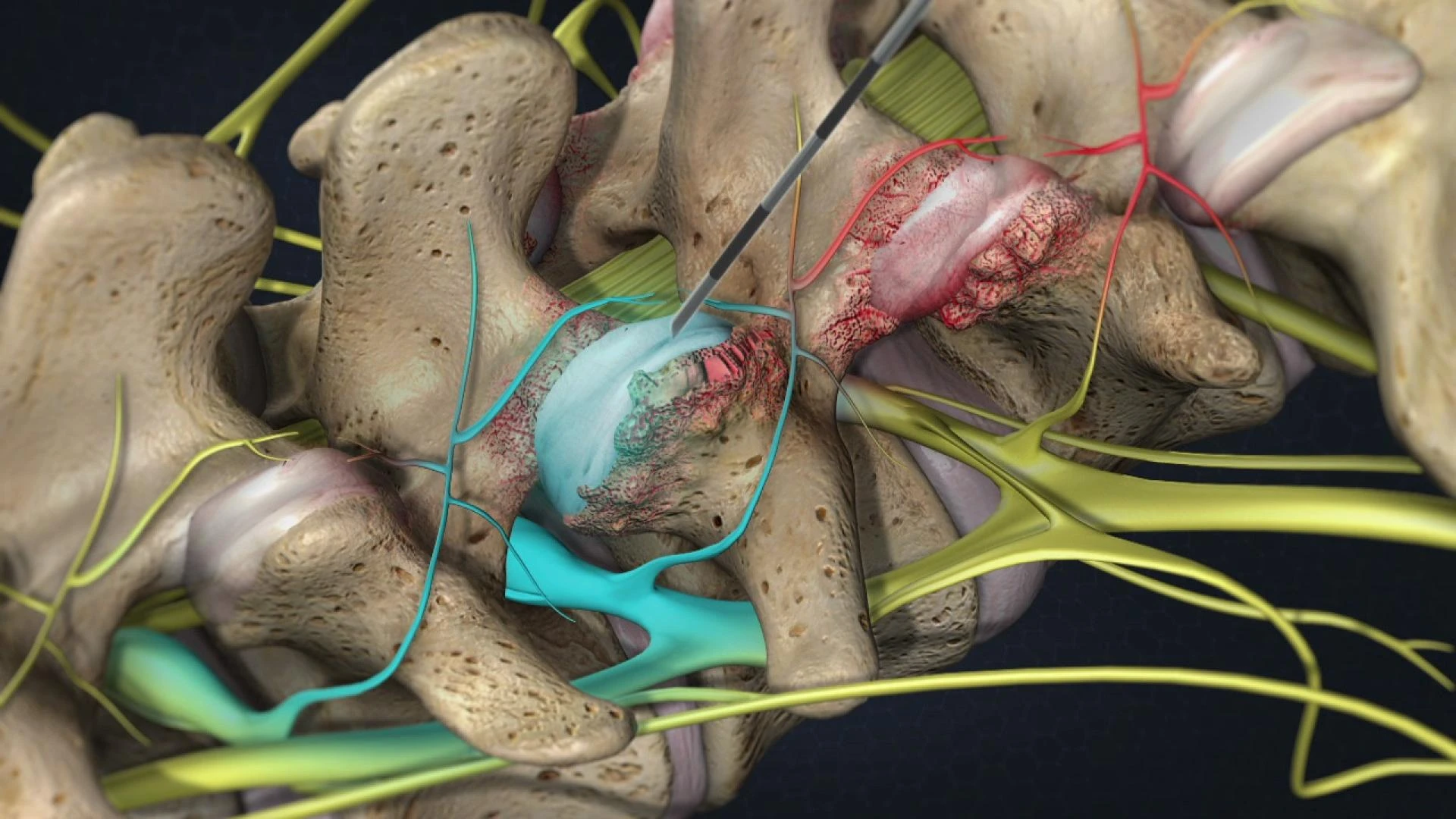
Chronic neck or back pain can slowly erode comfort, productivity, and overall quality of life. One frequently underestimated cause of spinal discomfort is facet joint syndrome. Facet joints are small but vital structures that allow the spine to move smoothly while maintaining stability. When these joints become irritated, inflamed, or worn down, pain and stiffness can develop. Choosing the right Facet Joint Syndrome Treament is essential for reducing discomfort, restoring function, and preventing long term complications.
Facet joint syndrome does not occur overnight. It often develops due to repeated stress, aging, or poor movement habits. Understanding how this condition affects the spine helps individuals take a proactive and informed approach to care.
Understanding the Function of Facet Joints
Facet joints are located on the posterior side of the spine, connecting vertebrae together. Each spinal segment has two facet joints that guide motion and prevent excessive rotation or extension. These joints are lined with cartilage and enclosed within a capsule that allows fluid movement.
When the facet joints function properly, spinal movement is smooth and controlled. However, when inflammation or degeneration occurs, even simple movements can trigger pain. Effective Facet Joint Syndrome Treament aims to restore balance between joint mobility and spinal stability.
What Leads to Facet Joint Syndrome
Facet joint syndrome can develop due to a variety of factors. Age related degeneration is a primary contributor, as cartilage naturally wears down over time. Repetitive activities involving bending, twisting, or prolonged sitting can also overload the facet joints.
Poor posture increases compressive forces on the spine, particularly in the neck and lower back. Sudden trauma, such as a fall or abrupt twisting motion, may strain the joint capsule and surrounding tissues. Muscle imbalances further worsen the condition by shifting excessive load onto the facet joints. Identifying these contributors allows for more effective Facet Joint Syndrome Treament planning.
Symptoms That Indicate Facet Joint Involvement
Facet joint pain is often localized and mechanical in nature. Individuals may feel discomfort directly over the affected area of the spine. Pain may worsen with movements such as leaning backward, rotating the torso, or standing for long periods.
Stiffness is a hallmark symptom, particularly after rest or inactivity. Some individuals experience pain that spreads into nearby areas, such as the hips, shoulders, or upper thighs. These symptoms can fluctuate depending on activity level and posture. Recognizing these patterns helps guide accurate Facet Joint Syndrome Treament.
Why Proper Diagnosis Is Essential
Facet joint syndrome shares symptoms with many other spinal conditions, making precise diagnosis critical. A detailed evaluation includes assessment of posture, spinal mobility, and pain behavior during movement.
Correct diagnosis ensures that Facet Joint Syndrome Treament is directed toward the actual source of pain rather than generalized symptom control. This reduces unnecessary interventions and improves the likelihood of long term relief.
Conservative Facet Joint Syndrome Treament Approaches
Non surgical care is the foundation of most Facet Joint Syndrome Treament plans. Conservative approaches focus on relieving inflammation, improving joint movement, and strengthening the muscles that support the spine.
Movement focused rehabilitation is a central component of recovery. Targeted exercises improve spinal stability, restore range of motion, and correct dysfunctional movement patterns. Strengthening the core and surrounding muscles reduces mechanical stress on the facet joints.
Manual therapy techniques can complement exercise by improving joint mobility and reducing muscle tension. These hands on methods help relieve stiffness and allow for more effective movement retraining.
Postural retraining is another essential aspect of Facet Joint Syndrome Treament. Poor posture places continuous pressure on facet joints, especially during prolonged sitting or standing. Learning proper alignment reduces joint strain and supports ongoing recovery.
Daily Activity and Ergonomic Adjustments
Long term success with Facet Joint Syndrome Treament depends heavily on lifestyle modifications. Everyday activities that involve repetitive strain should be adjusted to reduce joint irritation.
Simple changes such as maintaining neutral spinal alignment while sitting, taking frequent movement breaks, and using proper lifting techniques can significantly reduce symptoms. These adjustments protect the spine and prevent repeated flare ups.
Advanced Care Options When Needed
In some cases, pain may persist despite consistent conservative care. Advanced options may then be incorporated into a comprehensive Facet Joint Syndrome Treament plan. These approaches focus on reducing inflammation and providing sufficient relief to allow rehabilitation to progress.
Advanced interventions are most effective when used as part of an integrated plan rather than as standalone solutions. Combining pain reduction with movement restoration leads to better long term outcomes.
Importance of Long Term Management
Facet joint syndrome is often a condition that requires ongoing attention rather than a one time fix. Long term Facet Joint Syndrome Treament emphasizes prevention and maintenance.
Continued exercise, postural awareness, and gradual progression of physical activity help maintain spinal health. Education empowers individuals to recognize early warning signs and adjust activities accordingly.
Benefits of Early and Consistent Treatment
Early Facet Joint Syndrome Treament significantly improves recovery outcomes. Addressing symptoms before they become chronic reduces the risk of compensatory movement patterns and secondary injuries.
Consistent care also helps preserve joint function and slow degenerative changes. Individuals who commit to early treatment often experience faster pain relief and greater confidence in movement.
Conclusion
Facet joint syndrome is a common source of spinal discomfort that can limit daily activity if left unaddressed. Effective Facet Joint Syndrome Treament focuses on accurate diagnosis, conservative care, movement restoration, and long term prevention strategies.
By addressing the underlying mechanical and postural contributors to joint irritation, individuals can achieve meaningful and lasting relief. A structured and personalized approach to Facet Joint Syndrome Treament supports improved mobility, reduced pain, and enhanced quality of life over time.