Introduction
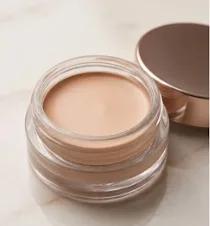
The face concealer market report shifts landscape is being shaped by significant changes in consumer behavior, product development, retail channels, and beauty culture. Concealer has evolved from a product primarily associated with hiding imperfections into a versatile complexion cosmetic used for correction, brightening, sculpting, and creating customized makeup looks.
These shifts are influencing how brands formulate products, communicate benefits, develop shade ranges, design packaging, and reach consumers. Understanding these changes provides insight into the direction of the modern face concealer category.
Shift Toward Lightweight Coverage
One of the most noticeable changes is the growing interest in lightweight complexion products. Consumers who once relied heavily on thick, full-coverage makeup may increasingly incorporate lighter products into everyday routines.
Concealer allows users to apply coverage only where it is needed. This targeted approach can create a more natural appearance while reducing the amount of complexion product used across the face.
As a result, brands are developing formulas that combine pigmentation with flexible, breathable textures.
Shift From One-Size-Fits-All Products
The market is moving toward greater specialization. Instead of expecting one concealer to satisfy every consumer, brands are creating formulas for different skin types, coverage requirements, finishes, and lifestyles.
Products may be designed specifically for dry skin, oily skin, mature skin, sensitive skin, professional makeup, quick application, or extended wear.
This shift reflects a broader consumer expectation that beauty products should be tailored to individual requirements.
Shift Toward Skincare-Inspired Makeup
The boundary between skincare and makeup continues to become less distinct. Consumers increasingly evaluate cosmetic products based on how they feel on the skin and how easily they fit into existing routines.
Concealers with hydrating, conditioning, or skincare-inspired positioning are becoming more relevant within this environment.
The shift does not eliminate the importance of coverage. Instead, it adds additional expectations around comfort, texture, and compatibility with daily skincare routines.
Shift in Shade and Undertone Expectations
Complexion consumers are increasingly attentive to shade accuracy. A suitable concealer needs to complement both skin depth and undertone.
This has encouraged brands to expand shade ranges and provide clearer distinctions among warm, cool, neutral, olive, and other undertone categories.
The shift toward inclusivity also affects product presentation. Consumers want to see how shades look on different complexions rather than relying exclusively on standardized product photography.
Shift Toward Multifunctionality
Consumers are increasingly interested in products that can serve multiple purposes. Concealer can be used for correcting discoloration, covering blemishes, brightening the under-eye area, highlighting, contouring, or creating a more even complexion.
Buildable formulas support this trend by allowing consumers to control the amount of coverage.
Multifunctionality can also simplify beauty routines, particularly for consumers who prefer fewer products or quicker application.
Shift From Physical Discovery to Digital Discovery
Product discovery is increasingly taking place online. Consumers can learn about concealers through tutorials, reviews, creator demonstrations, brand websites, and digital beauty platforms before visiting a store or completing an online purchase.
This shift has increased the importance of detailed product information. Consumers may compare shade options, coverage levels, finishes, ingredients, and prices before making a decision.
Brands are consequently investing more attention in digital product education.
Shift Toward Virtual Shade Selection
Selecting complexion products online has traditionally been difficult because consumers cannot directly test colors. Digital shade-matching technologies are helping address this limitation.
Virtual try-on systems and interactive shade tools can allow consumers to explore how different products may appear on their complexion.
As these technologies develop, digital shade selection may become a more important component of the online concealer purchasing experience.
Shift in Beauty Content and Consumer Education
Beauty content has become more instructional. Consumers can access detailed demonstrations showing how much concealer to apply, where to place it, how to blend it, and how to combine it with other complexion products.
This creates an opportunity for brands to communicate product benefits through education rather than relying only on traditional advertising.
The ability to demonstrate real-world application can also help consumers understand differences between formulas and coverage levels.
Shift Toward Convenient Application
Convenience is influencing packaging and product formats. Consumers with busy schedules may prefer products that can be applied quickly without multiple brushes or additional tools.
Stick concealers, precision applicators, compact formats, and portable packaging can support on-the-go use.
This shift encourages manufacturers to consider the complete application experience rather than focusing exclusively on the formulation itself.
Shift in Premium Beauty Expectations
Premiumization is also influencing the category. Consumers may be willing to consider higher-priced concealers when products offer distinctive textures, sophisticated packaging, improved performance, or specialized benefits.
At the same time, value remains important. Affordable concealers continue to attract consumers seeking reliable performance without premium pricing.
The result is a market with multiple value propositions rather than a single dominant pricing model.
Shift Toward Sustainable Packaging
Environmental awareness is creating new expectations around cosmetic packaging. Consumers may increasingly consider material use, recyclability, refillability, and packaging efficiency.
Brands are exploring ways to reduce unnecessary components while preserving product protection and hygienic application.
Sustainability therefore represents a shift in product development priorities, although practical performance remains essential.
Shift Toward Regional Adaptation
Consumer requirements can differ according to climate, lifestyle, purchasing behavior, and beauty culture. This encourages brands to adapt products to regional conditions.
For example, consumers in humid environments may place greater emphasis on wear stability, while those in dry climates may prioritize comfortable and hydrating textures.
Regional adaptation can also influence shade selection, packaging formats, retail strategies, and digital communication.
Shift in Consumer Loyalty
Digital access to information has made it easier for consumers to compare products across brands. Shoppers can quickly review alternatives based on price, ingredients, shade range, performance, and user feedback.
This can reduce dependence on long-term brand loyalty and increase the importance of maintaining consistent product quality.
Brands need to provide continuing value rather than relying only on recognition or historical reputation.
Future Direction of Market Shifts
The face concealer market report shifts outlook points toward greater personalization, multifunctionality, digital integration, convenience, and consumer-specific product development.
Future shifts may increasingly combine these themes. A single concealer could potentially offer a personalized shade, skincare-inspired formula, long-wear performance, convenient packaging, and digital shade-matching support.
Conclusion
The face concealer category is experiencing shifts across product design, consumer preferences, retail, technology, and beauty culture. Lightweight coverage, inclusive shades, multifunctional formulas, skincare integration, digital discovery, convenient formats, and sustainability are influencing the direction of the market.
These changes demonstrate that concealer is becoming a more adaptable and personalized beauty product. Brands that understand how consumers' routines and expectations are changing can develop products and experiences that remain relevant within an increasingly dynamic complexion cosmetics environment.