
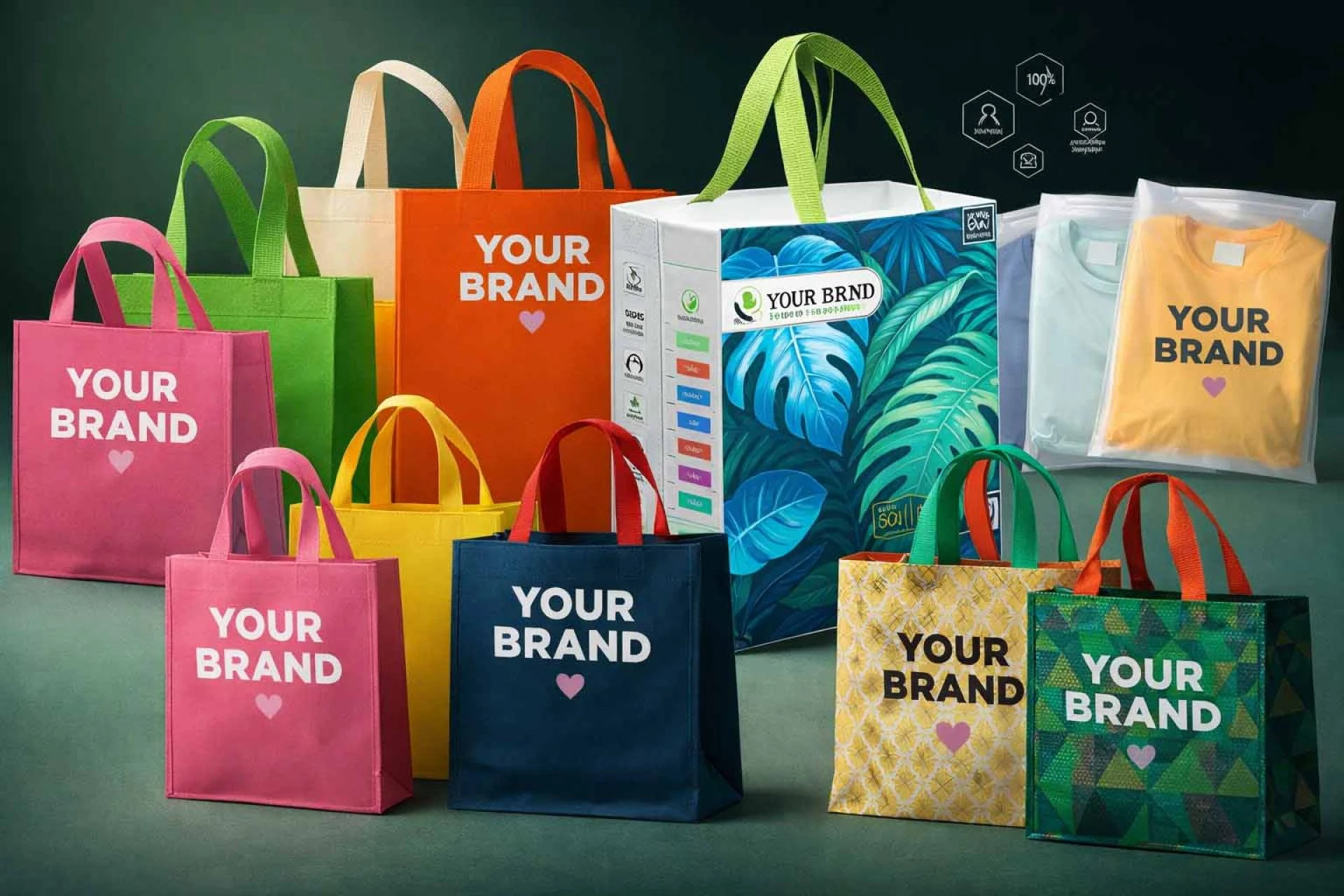
Fabric packaging has become a cornerstone for businesses looking to combine sustainability with effective branding. Companies across retail, grocery, cosmetics, and boutique sectors are adopting eco-friendly, reusable, and customized packaging to meet customer preferences while staying compliant with regulations. Using non-woven, paper, or biodegradable materials, brands can enhance product identity, reduce single-use plastics, and create a long-term cost savings strategy.
Meeting Regulatory Demands and Sustainability Goals
Businesses must comply with officials and regulatory standards. Sustainable practices are no longer optional; they are a business requirement. By adopting recyclable, compostable, or plastic-free options, companies reduce waste, lower carbon footprints, and align with circular economy initiatives. Eco-conscious consumers increasingly demand environmentally responsible packaging, making adopting sustainable materials a smart long-term investment.
Customization for Brand Recognition
Customized packaging allows companies to print logos, select colors, and define sizes to align with brand ethos. Personalized designs create market appeal and enhance customer loyalty. Businesses can leverage flexible packaging solutions for retailers, boutiques, and corporate giveaways, ensuring product experience and visual appeal match their brand identity.
Functional and Reusable Packaging Options
Fabric bags, pouches, zippered or zip designs offer durability, reusability, and lightweight convenience. They are ideal for groceries, cosmetics, and merchandise, allowing consumers to carry, store, and reuse products efficiently. Choosing non-woven, tissue, or polyethylene film materials ensures protection of items, while supporting eco-friendly initiatives and reducing landfill contributions.
Cost-Effective Strategies and Long-Term Benefits
Investing in custom fabric packaging can save money over time. While moderately priced initially, reusable and durable designs reduce single-use plastic spending. Companies gain long-term benefits including brand recognition, consumer loyalty, and a positive environmental impact. Case studies show that businesses adopting eco-friendly packaging experience measurable savings while improving customer satisfaction.
Tailored Solutions for Niche Markets
Specialized production allows manufacturers to offer custom production, tailored solutions, and efficient delivery for specific markets. From e-commerce stores to supermarkets, companies can choose materials, types of bags, and sizes suited to product weight and functionality. Flexible production timelines ensure businesses meet demand peaks without compromising quality or safety.
Marketing and Promotional Advantages
Custom-designed packaging serves as a marketing tool. Branded bags, giveaways, or corporate gifts enhance brand visibility and consumer engagement. Creative wraps, zippered pouches, and personalized prints make products more attractive, contributing to promotional campaigns. Investing in aesthetically pleasing packaging strengthens brand recognition, loyalty, and market differentiation.
Enhancing Product Protection and Storage
Fabric packaging can include padded mailers, inflatable air pillows, and protective bubble cushions to safeguard perishable or fragile items. Using lightweight, durable, and reusable materials reduces shipping costs and ensures items arrive safely. Companies cooperating with certified suppliers can guarantee quality, safety, and consistent delivery, building trustworthiness with clients and customers.
Efficient Service and Reliable Delivery
Packaging solutions must balance efficiency with customization. Quick turnaround, order flexibility, and reliable service ensure businesses meet production timelines without delays. Tailored services, specialized production, and efficient delivery make it possible to fulfill bulk orders, support e-commerce, and maintain client satisfaction consistently.
Driving Sustainability and Positive Impact
Choosing eco-friendly, reusable fabric packaging supports responsible sourcing, recycling, and circular economy initiatives. Companies adopting these practices not only reduce environmental impact but also build a positive reputation among shoppers, employees, and partners. Implementing sustainable strategies is essential for a future-focused business and a healthier planet.