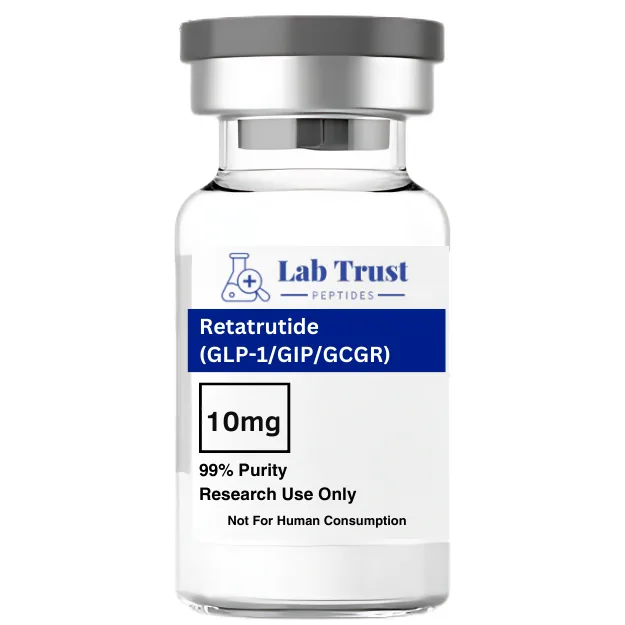
The field of metabolic research has expanded rapidly in recent years, introducing new scientific compounds that aim to better understand how the human body regulates weight, glucose, and energy balance. Among these developments, researchers are increasingly interested in advanced multi-target peptides that may offer insights into future therapeutic approaches for metabolic health. One such compound often discussed in scientific circles is retatrutide research peptide.
This topic has drawn attention not because of commercial claims, but due to its complex mechanism of action and how it interacts with multiple hormone pathways. Scientists are exploring how such compounds might help in understanding obesity, insulin resistance, and related metabolic conditions. While still under investigation, the research surrounding this peptide continues to grow, offering a deeper look into how the body manages energy at a hormonal level.
Scientific Overview of retatrutide research peptide in Metabolic Studies
The retatrutide research peptide is being studied as a triple-hormone receptor agonist, which means it is designed to interact with GLP-1, GIP, and glucagon receptors simultaneously. This multi-target approach is what makes it especially interesting in metabolic research, as most earlier compounds focused on only one or two pathways.
Researchers believe that studying these combined pathways may help explain how appetite regulation, fat metabolism, and blood sugar control are interconnected. For example, GLP-1 activity is often associated with reduced appetite, while GIP may influence insulin response, and glucagon can play a role in energy expenditure. The combination of these mechanisms is what makes this peptide a subject of advanced scientific investigation.
It is important to highlight that this compound is strictly used in research settings and is not approved for general medical use. Laboratories focus on understanding its molecular behavior, receptor binding efficiency, and metabolic effects under controlled conditions. One key area of interest is how the body responds to long-term receptor stimulation and whether adaptive changes occur over time.
Mechanisms Behind retatrutide research peptide and Hormonal Interaction
The retatrutide research peptide works by engaging multiple hormonal pathways at once, which allows scientists to observe how different systems in the body communicate during metabolic regulation. This multi-receptor interaction is thought to influence energy balance in a more integrated way compared to single-pathway compounds.
In research environments, one of the primary observations is how the peptide may affect satiety signals. Scientists are studying whether simultaneous receptor activation can lead to more stable appetite control signals. Another area of focus is glucose metabolism, where researchers examine how insulin sensitivity might be influenced under experimental conditions.
Additionally, there is growing curiosity about how this peptide affects energy expenditure. Some early-stage studies suggest that glucagon receptor activity could play a role in increasing metabolic output, although these findings are still being analyzed and validated. Because of this complexity, researchers often emphasize caution and controlled testing environments.
A small but important detail in ongoing studies is the variability of responses across different biological models. This variability helps scientists understand that metabolic regulation is not uniform and may depend on multiple genetic and environmental factors. Such insights are crucial for building a broader understanding of metabolic science.
Future Perspectives in Metabolic Research
As scientific exploration continues, compounds like retatrutide research peptide may help shape the next generation of metabolic research tools. While it is too early to draw clinical conclusions, the data being collected contributes to a larger framework of understanding how hormones interact in energy regulation.
Researchers are particularly interested in long-term observational models that can show how sustained receptor engagement influences metabolic adaptation. This includes studying potential feedback mechanisms, receptor sensitivity changes, and overall energy balance shifts over time.
Another promising direction involves combining peptide research with advanced digital modeling and AI-based metabolic simulations. These tools may allow scientists to predict outcomes more accurately before moving into biological testing phases.
Conclusion
The study of multi-receptor peptides represents an exciting frontier in biomedical science. The retatrutide research peptide stands out as a valuable subject for ongoing investigation due to its complex hormonal interactions and potential to deepen our understanding of metabolism. While still in the research phase, its role in scientific discovery continues to expand, offering new possibilities for future metabolic insights.