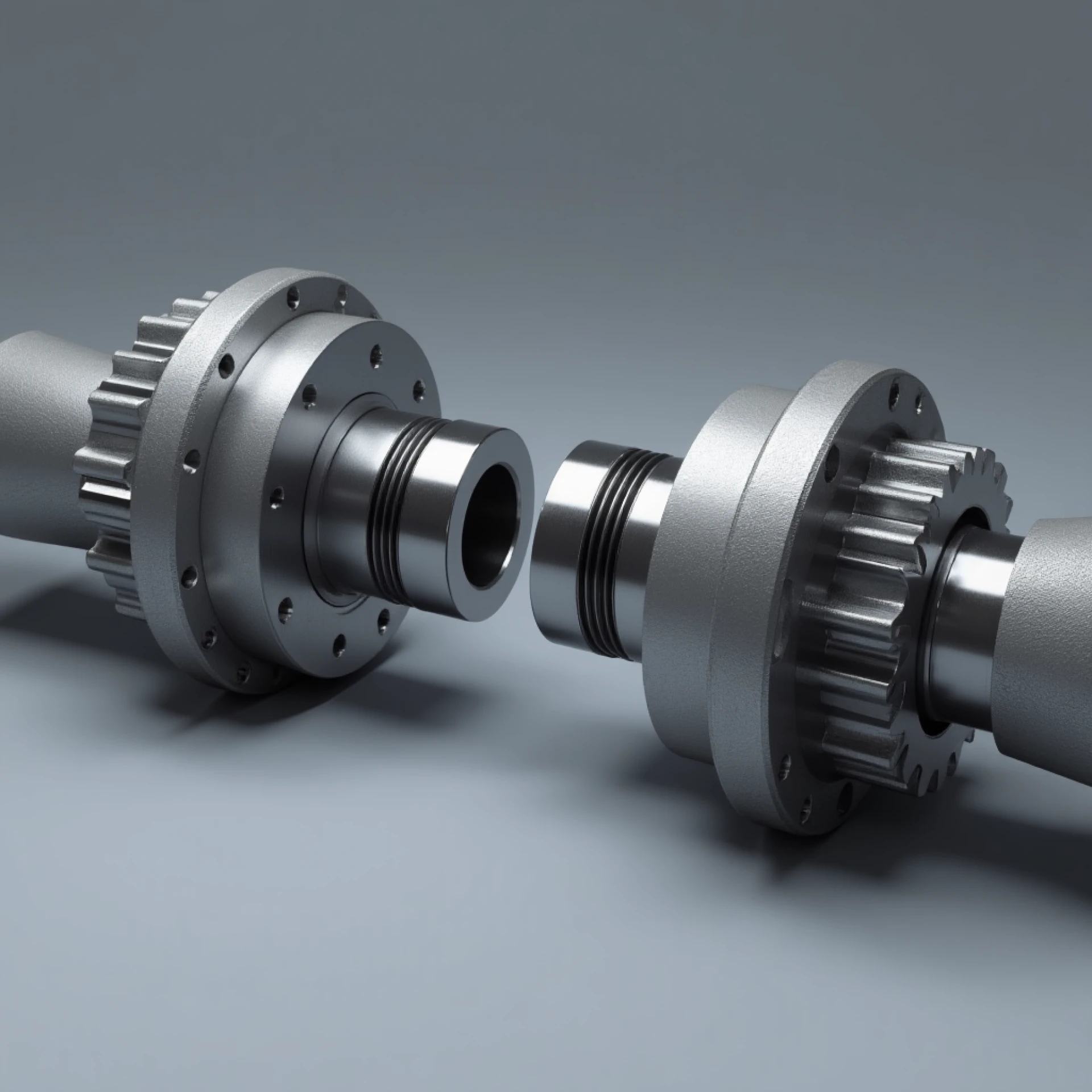
Introduction: Why Couplings Are Essential in Engineering
In the complex world of industrial machinery and mechanical systems, couplings are silent heroes. These mechanical components play a critical role in connecting two shafts together for the purpose of transmitting power. Without them, the safe and efficient operation of pumps, compressors, conveyors, and turbines would be nearly impossible.
Whether you're dealing with shaft couplings, flexible connectors, or mechanical torque transmitters, the purpose remains the same—ensuring accurate alignment, reducing vibration, and enabling torque transmission in dynamic environments.
What Are Couplings?
A coupling is a mechanical device that links two rotating shafts, enabling the transfer of power from one shaft to another. They can either be rigid couplings, which maintain precise alignment, or flexible couplings, which allow for a degree of misalignment and absorb shock or vibration.
Depending on the application, industries may use:
- Jaw couplings for general-purpose torque transmission
- Gear couplings for high torque in compact spaces
- Tyre couplings for high flexibility and damping
- Disc couplings for precision and minimal backlash
- Fluid couplings for soft starts and overload protection
Core Functions of Couplings
- Torque Transmission
- The primary function is to transmit rotational energy from one shaft to another efficiently.
- Misalignment Compensation
- Couplings adjust for angular, parallel, and axial misalignments between connected shafts.
- Vibration Dampening
- Couplings reduce vibration and noise, protecting surrounding equipment.
- Shock Absorption
- In high-impact applications, couplings help absorb loads, reducing the chance of system failure.
- Maintenance Simplification
- Detachable couplings make assembly and disassembly of machinery much easier.
Key Industries That Rely on Couplings
Couplings are essential in sectors such as:
- Automotive – for drive shafts and transmission systems
- Energy & Power – in turbines and generators
- Mining & Cement – for crushers, mills, and conveyors
- Marine – for propulsion and auxiliary systems
- Textile & Paper – where smooth speed regulation is vital
Each industry may demand a different type of torque coupling or rotational shaft connector based on operating conditions and load requirements.
How to Choose the Right Coupling
Selecting the correct coupling depends on:
- Torque and speed requirements
- Shaft alignment and tolerance
- Environmental factors (temperature, dust, humidity)
- Vibration and shock load conditions
- Ease of installation and maintenance
Advanced power transmission couplings now also offer built-in safety features, such as shear pins or overload release mechanisms.
Common Types of Couplings and Their Benefits
TypeIdeal ForKey AdvantageFlexible CouplingsMisalignment and vibration dampingHigh tolerance and durabilityRigid CouplingsExact alignment and low-speed useSimple, cost-effectiveFluid CouplingsSoft start in heavy machineryOverload protection and smooth opsGear CouplingsHigh-torque and compact designEfficient torque transmissionDisc CouplingsPrecision applicationsHigh torsional stiffness
The modern market also offers elastomeric couplings, grid couplings, and even magnetic couplings—each designed for specific needs.
Maintenance Tips for Coupling Longevity
- Inspect regularly for cracks, corrosion, or fatigue
- Ensure proper alignment during installation
- Replace worn-out flexible elements or seals
- Check for unusual noise or vibration during operation
- Use recommended lubrication if applicable (for gear or grid couplings)
Routine maintenance enhances safety and minimizes unplanned downtime.
Coupling Innovations in 2025
Modern coupling technology is evolving fast. Smart couplings now feature embedded sensors to monitor torque, temperature, and vibration in real-time. These IoT-enabled devices enhance predictive maintenance strategies, making industrial setups smarter and safer.
With sustainability and energy efficiency becoming key focus areas, lightweight composite couplings and zero-backlash designs are gaining popularity across sectors.
Conclusion: The Backbone of Motion Systems
From small-scale machinery to massive industrial plants, couplings remain an indispensable part of mechanical design. Their ability to handle misalignment, absorb shocks, and deliver consistent torque makes them the preferred choice for engineers worldwide.
Whether you are a plant manager, design engineer, or system integrator, understanding and choosing the right mechanical coupling solution will ensure higher productivity, lower maintenance costs, and smoother operations.