When it comes to transforming your outdoor space into a functional and beautiful extension of your home, hardscaping plays a crucial role. From patios and walkways to retaining walls and outdoor kitchens, hardscape elements add both aesthetic appeal and long-lasting durability. If you’ve been searching for “hardscape installers near me,” you’re likely ready to upgrade your landscape into something that combines design with practicality. This blog will guide you through the benefits of hardscaping, popular design options, installation processes, and tips for choosing the right installer for your project.
The Value of Hardscaping in Modern Landscapes
Hardscaping is more than just stonework; it’s about designing outdoor environments that enhance your lifestyle. While landscaping focuses on living elements like plants, trees, and grass, hardscaping incorporates non-living features such as pavers, stone walls, decks, and water features. These elements bring structure and balance to outdoor spaces, creating both beauty and usability.
Some benefits of hardscaping include:
- Low maintenance: Hardscape surfaces require less upkeep compared to lawns and flowerbeds.
- Durability: Properly installed stone, brick, or concrete structures can last for decades.
- Property value boost: A well-designed patio, pathway, or retaining wall adds curb appeal and increases property value.
- Functional space: Outdoor kitchens, fire pits, and patios create opportunities for entertaining and family gatherings.
Popular Hardscape Features Homeowners Love
Hardscaping offers endless possibilities for homeowners who want to customize their outdoor spaces. Some of the most popular features installed by professional hardscape contractors include:
1. Patios and Outdoor Living Areas
A well-designed patio is the foundation of outdoor living. Whether you prefer natural stone, stamped concrete, or interlocking pavers, patios create a durable surface for lounging, dining, or entertaining. Many homeowners also extend patios with pergolas or covered seating areas.
2. Walkways and Pathways
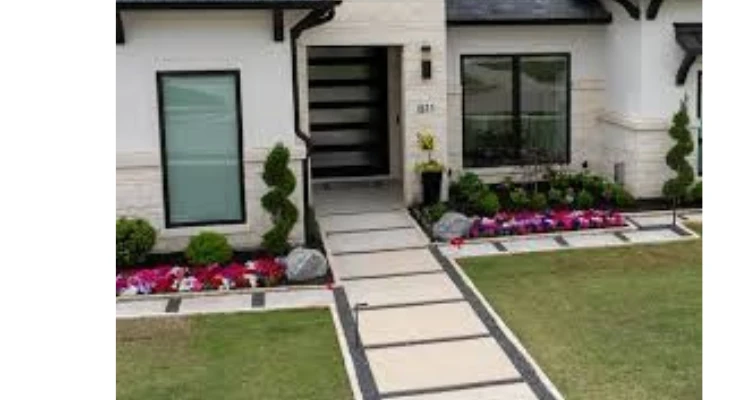
Adding stone or paver walkways connects different areas of your yard while enhancing safety and accessibility. Designs can range from straight and formal to winding and rustic, depending on the overall look of your property.
3. Retaining Walls
Retaining walls are not only functional but also decorative. They prevent soil erosion, manage slopes, and create defined garden beds. Using materials like natural stone, brick, or concrete blocks, contractors can design walls that blend seamlessly with the surrounding landscape.
4. Driveways
Concrete and asphalt may be common, but paver driveways are becoming increasingly popular for their durability and unique appearance. They resist cracking, can withstand heavy loads, and come in customizable designs.
5. Outdoor Kitchens and Fire Features
For homeowners who love entertaining, outdoor kitchens and fire pits are must-have additions. From built-in grills to full-service cooking stations with sinks and refrigerators, outdoor kitchens expand the functionality of your home. Fire pits or fireplaces provide warmth, ambiance, and year-round enjoyment.
6. Water Features
Fountains, ponds, and waterfalls introduce calming elements to any outdoor setting. Combined with stonework, they create a tranquil retreat right in your backyard.
The Hardscape Installation Process
Hiring professional hardscape installers ensures that your project is built to last. A typical installation process includes several stages, each critical to achieving a high-quality result.
Initial Consultation and Design
The process starts with a consultation where the installer discusses your vision, budget, and space requirements. Many companies use 3D design software to help homeowners visualize the finished project before construction begins.
Site Preparation
Proper preparation is the foundation of durable hardscaping. Installers clear the area, grade the land, and ensure proper drainage to avoid water pooling or erosion.
Material Selection
Depending on the design, contractors recommend materials that suit your budget, style, and climate. High-quality pavers, natural stone, and concrete options are popular choices.
Installation
Professional installers carefully lay the base materials, compact the soil, and install pavers or stones with precision. For features like retaining walls or fire pits, stability and safety are key priorities.
Finishing Touches
Sealing surfaces, filling joints with sand, and ensuring everything is level and secure complete the process. Many installers also integrate lighting or landscaping around the hardscape features for a polished look.
Why Professional Hardscape Installers Matter
While DIY projects can be tempting, hardscaping requires expertise in grading, drainage, and structural stability. Poorly installed patios or walls may shift, crack, or fail over time. Professional hardscape installers bring:
- Knowledge and experience: Years of training ensure precise installation.
- Specialized equipment: Professional tools allow for efficiency and accuracy.
- Warranties and guarantees: Many contractors provide warranties on both labor and materials.
- Design expertise: Installers can recommend creative solutions tailored to your yard.
Tips for Choosing the Right Hardscape Installer
When searching for “hardscape installers near me,” not all contractors are created equal. To ensure the success of your project, consider the following tips:
- Check credentials and licensing: Make sure the installer is properly licensed and insured.
- Review portfolios: Look at past projects to gauge the quality and style of their work.
- Read customer reviews: Online reviews and testimonials provide insights into reliability and professionalism.
- Request detailed quotes: Get written estimates that break down material and labor costs.
- Ask about warranties: A trustworthy contractor should back up their work with a guarantee.
- Communicate clearly: Choose a professional who listens to your ideas and explains the process.
Trends in Hardscaping Design
The hardscape industry continues to evolve, with new materials, techniques, and design ideas emerging each year. Some current trends include:
- Sustainable materials: Eco-friendly pavers and recycled stone appeal to environmentally conscious homeowners.
- Outdoor living integration: Blending kitchens, seating, and fire features into one cohesive design.
- Smart lighting: Low-voltage or solar-powered lights built into pathways and walls.
- Mixed textures: Combining natural stone with concrete or wood for contrast.
- Minimalist designs: Clean lines and simple layouts that highlight modern architecture.
Cost Factors to Consider
The cost of hardscape installation depends on several factors, including:
- Project size: Larger areas require more labor and materials.
- Material choice: Natural stone tends to be more expensive than concrete or pavers.
- Complexity: Intricate designs or multi-level structures increase costs.
- Preparation work: Grading, excavation, or demolition of existing structures may add expenses.
On average, homeowners can expect to invest anywhere from a few thousand dollars for a basic patio to tens of thousands for a full outdoor kitchen or multi-feature project.
Maintaining Your Hardscape Features
Once your project is complete, maintenance is relatively simple compared to traditional landscaping. Some key tips include:
- Regular cleaning: Sweep debris and wash surfaces to prevent stains.
- Sealing: Apply sealants every few years to protect against weather and wear.
- Weed control: Keep weeds from growing between pavers with polymeric sand or sealants.
- Inspection: Check for loose stones, cracks, or drainage issues and address them promptly.