
Organic waste such as animals manure, chicken manure, plant residues, and composted plant products can be valuable sources when they are effectively processed. Instead of being left as loose waste that is challenging to transportation and shop, these products can be converted into uniform fertilizer granules with a collection of controlled processing steps.
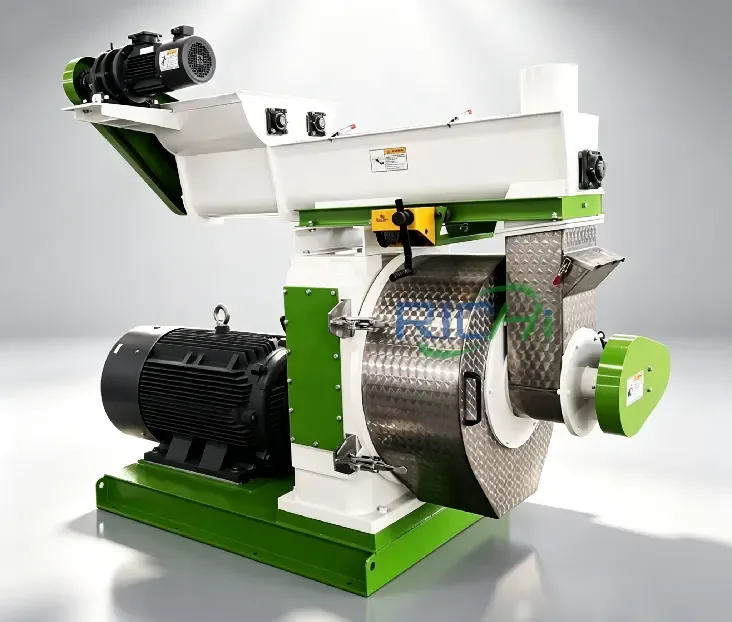
A compost pellet machine is one of the vital tools utilized in this procedure. Its major feature is to compress prepared organic material right into pellets with a reasonably consistent shape and size. Nonetheless, pelletizing is only one part of the procedure. Excellent outcomes depend greatly on how the raw material is composted, dried, crushed, and conditioned ahead of time.
Why Composting Matters Prior To Pelletizing
Fresh manure normally includes considerable dampness and may include contaminations, coarse products, or unstable organic matter. It is consequently not usually appropriate for straight pelletizing. Composting and fermentation aid maintain the material and make it less complicated to refine.
During aerobic composting, bacteria break down raw material while warm is created. Proper oygenation, wetness management, and routine turning are very important for preserving ideal fermentation problems. As soon as the product has actually developed, it can be crushed and screened to create a much more consistent feedstock for the next stage.
Moisture is another vital element. Product that is excessively damp may stay with devices and kind poor-quality pellets, while product that is as well dry might have difficulty bonding under pressure. The ideal moisture range depends upon the raw material, pelletizing approach, and equipment arrangement.
From Manure to Granular Plant Food
Various sorts of manure require slightly various preparation techniques. Cow dung, as an example, often consists of fibrous bed linens or plant residues that need to be lowered in size before pelletizing. For anybody researching cow dung pellet making maker maintenance tips, it serves to remember that product prep work is very closely connected with equipment upkeep. Getting rid of stones, steel, plastic, and various other foreign objects before the product gets in the machine can help in reducing unnecessary wear.
After fermentation and pretreatment, the material may travel through squashing, mixing, drying out, and pelletizing phases. The precise process can vary according to dampness material, formula, desired pellet diameter, and manufacturing capacity.
The pelletizing phase works by applying mechanical stress to prepared natural product. In a ring-die system, for example, material is pressed and forced through die openings, where it creates continuous strands before being cut into individual pellets. The finished pellets are then cooled down and screened to get rid of excessive fines or extra-large bits.
Making Use Of Poultry Waste as a Source
Fowl farms create big quantities of manure, and managing this product can be a practical environmental obstacle. With suitable pretreatment, chicken manure can come to be a source of organic plant food as opposed to simply a waste product.
A chicken manure pellet equipment to turn poultry waste into organic plant food is typically integrated into a wider processing system as opposed to run as a separated unit. A normal process might include cleaning, composting, squashing, wetness modification, blending, pelletizing, drying out, cooling down, screening, and product packaging.
The resulting pellets are simpler to deal with than loose manure due to the fact that their size and shape are more constant. They can likewise be stored and transported extra easily when dampness is correctly controlled. The final plant food solution need to still be figured out according to the intended crop, soil problems, and nutrient needs.
Related Post: https://commercialpelletmill.com/chicken-manure-pellet-machine/
Maintaining the Devices in Good Condition
Routine upkeep is an integral part of steady pellet production. Operators ought to on a regular basis inspect the die, rollers, bearings, transmission parts, feeding system, and lubrication points according to the tools manufacturer's instructions.
It is also beneficial to check modifications in pellet look and machine operating problems. An unexpected rise in fines, unpredictable feeding, unusual noise, or greater electric motor load can suggest troubles with basic material condition or mechanical parts.
Cleansing after procedure is similarly crucial. Recurring organic material can keep wetness and progressively harden inside the equipment, potentially affecting feeding and forming efficiency during the next production cycle. Preventative maintenance is normally less complicated and less disruptive than waiting for a major mechanical failing.
Deciding On Devices Based Upon the Process
There is no global pelletizing setup for each composting task. A little farm processing its own manure may have extremely different requirements from an industrial fertilizer producer managing numerous kinds of organic waste.
Before choosing equipment, it is sensible to consider the available resources, daily processing quantity, moisture variant, wanted pellet dimension, working area, and downstream drying out and screening requirements. Examining the actual material can also help identify whether additional crushing, blending, or drying out is needed.
For technical specs, procedure instances, and devices details, visitors can speak with the official site of the producer and compare the info with their very own product characteristics instead of selecting machinery based only on small capacity.
For instance, RICHI Machinery publishes details covering manure pelletizing processes and associated natural plant food devices. Such technical referrals can be useful for comprehending how fermentation, moisture change, pelletizing, air conditioning, and evaluating fit together in a total production procedure.
On the whole, compost pelletizing is best comprehended as a complete material-processing process instead of merely a mechanical creating operation. When compost maturation, particle size, moisture, devices problem, and post-pellet handling are properly coordinated, natural waste can be transformed into a more consistent and workable plant food product.