Cities are moving differently these days, and a lot of that has to do with electric mobility quietly making its way into everyday life. Among the changes happening on urban roads, the electric 3 wheeler stands out as one of the more practical solutions for short trips and cargo runs. People are drawn to these vehicles for straightforward reasons — they don't cost much to run, they're easy on the wallet, and they don't add to the pollution problem. Whether it's ferrying passengers through congested streets or ensuring that last-mile deliveries actually reach their destination, the electric 3 wheeler has gradually built a reputation as something both individuals and businesses can genuinely rely on.
With fuel costs climbing and more people becoming conscious about cleaner travel, cities across the country are gradually embracing electric three-wheelers. Their compact build, easy handling, and minimal upkeep make them a natural fit for the chaos of urban roads.
What Are Electric Three Wheelers?
Electric three wheelers are battery-driven vehicles built on a three-wheel frame, used for either passenger transport or carrying goods. Unlike the conventional auto-rickshaws that burn petrol, diesel, or CNG, these run on rechargeable batteries, which means less noise and a smaller environmental footprint.
You'll commonly find them operating in cities and semi-urban areas, handling everything from daily commutes to small business deliveries. Their straightforward mechanics and economical running costs make them genuinely appealing to drivers and fleet operators who want to cut down on fuel bills.
Benefits of an Electric 3 Wheeler
An electric 3 wheeler brings some real, practical advantages to the table:
Lower operating costs: Charging with electricity costs far less than filling up on petrol or diesel.
Eco-friendly performance: No tailpipe emissions means cleaner air for everyone in the city.
Low maintenance: With fewer moving parts than a combustion engine, breakdowns are less frequent.
Easy maneuverability: Compact enough to navigate tight lanes and heavy traffic without trouble.
Government incentives: Several regions actively support electric vehicle buyers through subsidies and schemes.
Together, these factors are pushing faster adoption across urban logistics and last-mile transport networks.
Electric 3 Wheelers: The Workhorses of Delivery
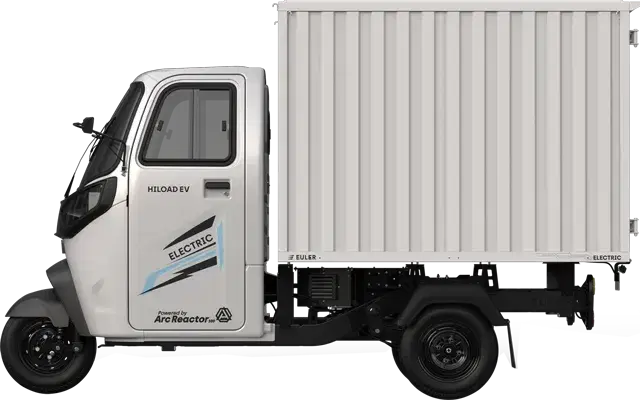
The electric 3 wheeler tempo has carved out a genuine place in the delivery and logistics world, and it hasn't happened by accident. Built from the ground up to move goods across shorter distances, it handles the job cleanly without overcomplicating things or burning a hole in your pocket.
E-commerce platforms, local grocery businesses, and courier services are increasingly turning to electric tempos to keep their deliveries affordable and sustainable. The fact that they run quietly and emit nothing makes them especially suitable for residential neighbourhoods and tight urban delivery corridors.
Electric 3 Wheeler Tempo Price and Affordability
When people look at buying an electric tempo, price is usually the first thing that comes to mind. The good news is that compared to conventional fuel-powered vehicles, electric tempos hold up well on upfront cost and genuinely shine when it comes to everyday running expenses.
Of course, the exact price depends on a few things — the size of the battery, how far it can travel on a single charge, its load-carrying capacity, and whatever extra features it comes with. Yes, the sticker price might be slightly more than some older petrol or diesel models, but once you factor in what you save on fuel and repairs over months and years, the electric tempo tends to make a lot more financial sense in the long run.
Conclusion
Electric mobility is genuinely reshaping how cities transport people and goods, and electric three-wheelers are right at the heart of that change. Affordable to own, cheap to operate, and kind to the environment, these vehicles are becoming a go-to choice for passenger runs and cargo deliveries alike. As the technology matures and charging infrastructure grows, electric three-wheelers are only going to become more common on city roads, supporting a future that moves cleaner and smarter.