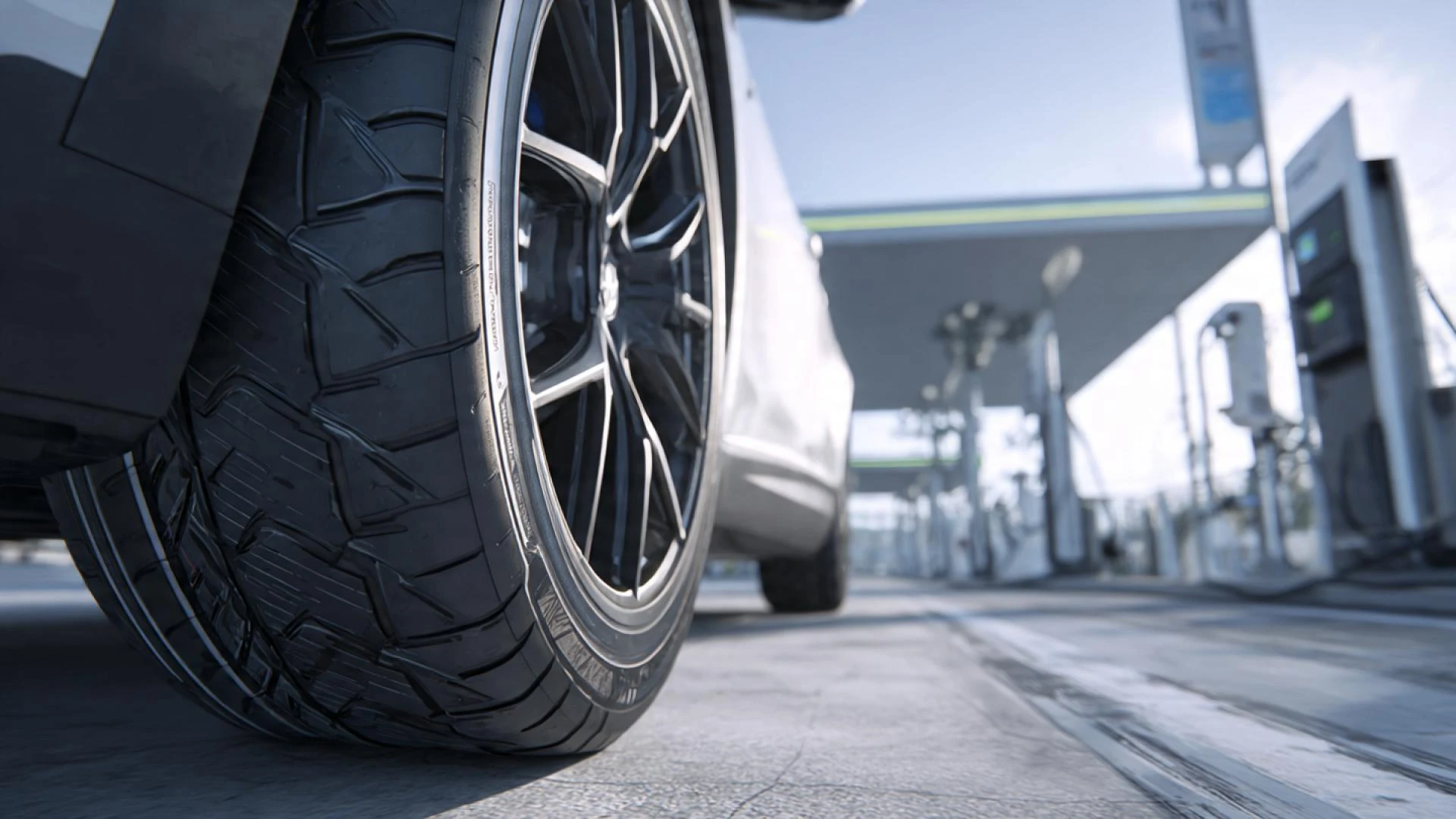
EV tyres are not accessories—they are critical EV performance components. From improving energy efficiency metrics to meeting OEM and safety standards, EV tyres unlock the full potential of electric vehicles.
Choosing the right EV-rated tyre today ensures smarter, safer, and more efficient driving tomorrow.
Electric vehicles are no longer a glimpse of the future—they’re already parked in our driveways, redefining smart mobility and modern transportation. They’re quick off the line, whisper-quiet, and far more efficient than traditional petrol cars. But here’s what most drivers overlook: an electric vehicle is only as good as the EV-optimized tyres it rolls on.
EV tyres have evolved into high-performance, EV-rated tyres, engineered according to OEM specifications and modern automotive standards. They aren’t just rubber rings—they’re precision components that directly affect vehicle efficiency, comfort, and safety.
Why Tyres Matter More in EVs Than You Think?
In petrol cars, engine noise hides imperfections. In EVs, silence exposes everything. Tyres directly influence:
- Driving range and kWh consumption
- Cabin comfort and vibration control
- Acceleration under high-torque distribution
- Braking performance
- Overall driving dynamics
Think of tyres as the interface between your EV’s drivetrain and the road. Poor tyres disrupt road contact optimization, hurting performance and efficiency.
What Are EV Tyres?
EV tyres are EV-optimized tyres designed using advanced tyre construction techniques to manage drivetrain stress, higher loads, and instant torque delivery. Unlike standard tyres, they undergo strict performance validation, including rolling resistance testing and NVH testing (Noise, Vibration, Harshness).
EV Tyres vs Regular Tyres – The Big Picture
Regular tyres are built for lighter vehicles with gradual power delivery. EV tyres are engineered for:
- Higher mass with load index certification
- Instant torque and contact patch optimization
- Reduced energy loss coefficient
- Enhanced noise control using acoustic marking
It’s the difference between a basic tool and a precision instrument.
Why Electric Vehicles Need Specialized Tyres?
Heavier Battery Weight Explained
EVs are 20–30% heavier due to battery packs. This requires structural reinforcement, stronger carcass strength, and a reinforced belt package to prevent deformation.
Instant Torque and Power Delivery
Electric motors apply force instantly, increasing tyre stress. EV tyres distribute torque evenly, improving grip while reducing uneven wear caused by drivetrain load spikes.
Silent Powertrains and Noise Sensitivity
With no engine noise, tyres must meet strict tyre labelling regulations for sound. EV tyres are optimized for low-frequency noise reduction.
Rolling Resistance – The Efficiency Multiplier
Lower rolling resistance improves energy efficiency and reduces battery drain. This directly impacts:
- Driving range
- Electricity consumption
- Total cost of ownership
Even small improvements here create long-term efficiency savings.
Noise Reduction Technology in EV Tyres
EV tyres use internal acoustic foam and optimized tread blocks that comply with acoustic marking standards, significantly reducing cabin noise.
Grip, Braking & Safety Advantages
EV tyres improve:
- Braking stability through better road contact
- Wet safety via optimized water channels
- Heat management under high loads
They also meet strict speed rating compliance and XL rating requirements.
Materials & Sustainability
Advanced silica compounds reduce resistance while maintaining grip. Lightweight materials improve vehicle efficiency, while recycled content supports environmental goals.
EV Tyres vs Regular Tyres – Long-Term Value
Although EV tyres may cost more upfront, they deliver:
- Longer lifespan
- Reduced electricity use
- Lower replacement frequency
- Better total cost of ownership
Future of EV Tyre Technology
Next-generation EV tyres will integrate with TPMS integration, connected vehicles, and smart diagnostics—making tyres an active part of EV intelligence systems.
FAQs
1. Can I use regular tyres on an electric vehicle?
Yes, but you’ll lose efficiency, comfort, and tyre life.
2. Do EV tyres really improve driving range?
Absolutely. Low rolling resistance can boost range by up to 10%.
3. Are EV tyres quieter than regular tyres?
Yes, thanks to acoustic foam and optimized tread designs.
4. Why are EV tyres more expensive?
Advanced materials and specialized engineering increase cost—but also value.
5. How often should EV tyres be replaced?
With proper maintenance, EV tyres often last longer than standard tyres.