
Battery safety is often discussed after a thermal event, but experienced battery engineers know the best protection starts much earlier. The way heat is managed between cells during normal operation can influence what happens if a single cell begins to fail. That is why thermal separation has become an important part of modern battery pack design rather than an afterthought.
When one cell experiences abnormal temperatures, the biggest concern is preventing heat from quickly spreading across neighbouring cells. If propagation is delayed, protection systems have more time to respond, improving overall battery safety. This approach is becoming increasingly important as battery packs grow more compact and energy density continues to increase.
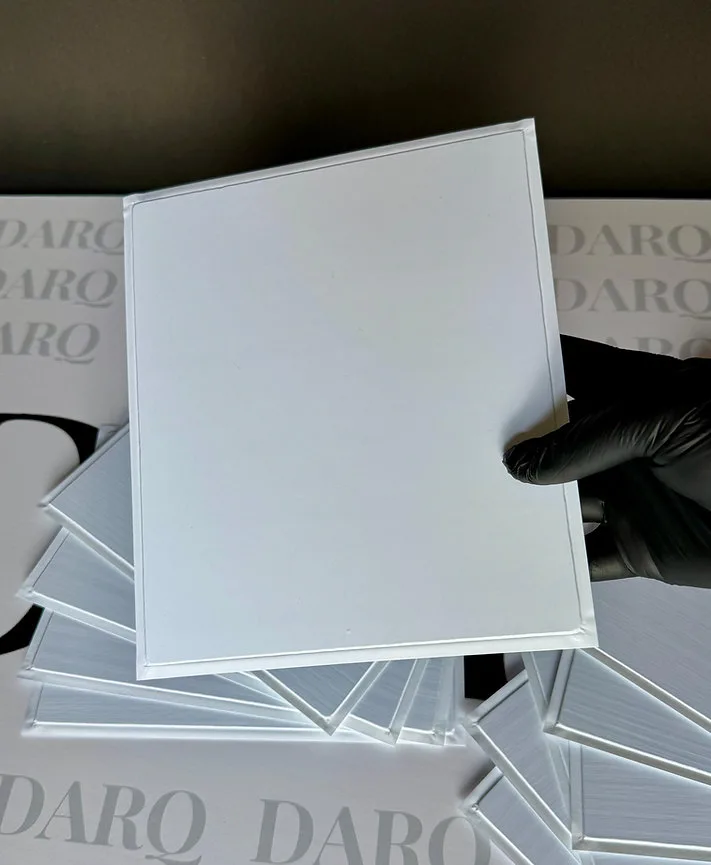
An EV battery thermal runaway protection pad is designed to act as a thermal barrier inside battery modules. Instead of adding bulky insulation, engineers are now looking for materials that combine high-temperature resistance with a thin profile. Maintaining valuable space inside the battery pack is essential because every additional millimetre affects module design, cooling channels, wiring routes, and manufacturing efficiency.
Selecting the right thermal protection material is no longer only about surviving extreme temperatures. It must also integrate easily into existing production processes. Materials that are difficult to position or increase assembly time can create manufacturing challenges, particularly for high-volume EV production. Lightweight solutions that fit neatly within module layouts help manufacturers improve both safety and production consistency.
Another consideration is long-term battery performance. Thermal protection should support stable operating conditions without introducing unnecessary weight. Engineers constantly balance battery range, efficiency, packaging, and safety. Using heavy insulation may improve protection but can reduce overall system efficiency. Ultra-thin materials help solve this challenge by delivering protection without significantly increasing battery pack mass.
Battery manufacturers also face increasing pressure from global safety standards and customer expectations. Demonstrating stronger thermal management strategies during product validation has become a competitive advantage. Designing battery modules with effective thermal separation can simplify development and help manufacturers prepare for future safety requirements as regulations continue to evolve.
Darq Industries develops advanced thermal protection materials specifically for EV battery applications. Their solutions are designed with ultra-thin construction, lightweight integration, and temperature resistance up to 1000°C to support demanding battery environments. Engineering-friendly installation and Indian technical support also make implementation easier for OEM teams working on new battery platforms.
Looking ahead, battery packs will continue becoming smaller while storing more energy. That trend means thermal management materials will play an even larger role in overall battery architecture. Engineers who consider thermal containment early in the design process are better positioned to improve safety without compromising packaging efficiency.
For companies developing next-generation electric vehicles, investing in reliable thermal protection is not simply about preventing failures. It is about designing battery systems that remain practical to manufacture, easier to validate, and better prepared for future safety expectations. Choosing the right thermal barrier for EV battery modules today can support safer battery packs throughout the entire product lifecycle.