Understanding Equity Liabilities
Equity Liabilities relate to the financial responsibilities connected to ownership in a business. They affect how owner value is calculated and reported. Keeping these records accurate is important for understanding business performance and making better decisions.
Owner’s equity usually includes:
- Capital invested by owners
- Profits kept in the business
- Share-related adjustments
Tracking these correctly ensures clear and reliable financial records.
Why Equity Liabilities Tracking Matters
Proper tracking of Equity Liabilities helps businesses:
- Stay compliant with accounting rules
- Maintain clear and accurate financial data
- Avoid tax errors and penalties
- Support better investment and planning decisions
- Present a true business value to stakeholders
Key Steps for Accurate Tracking
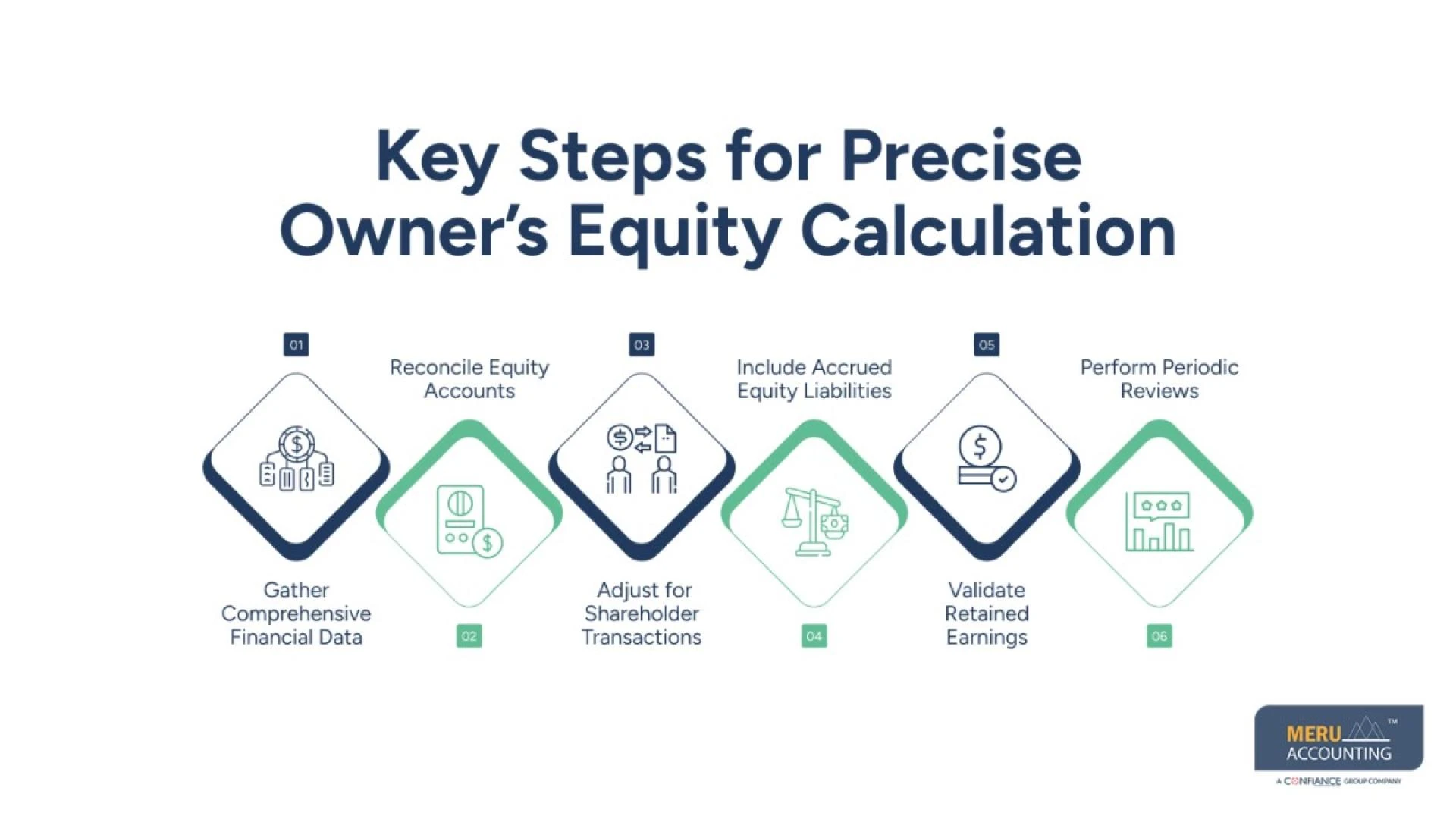
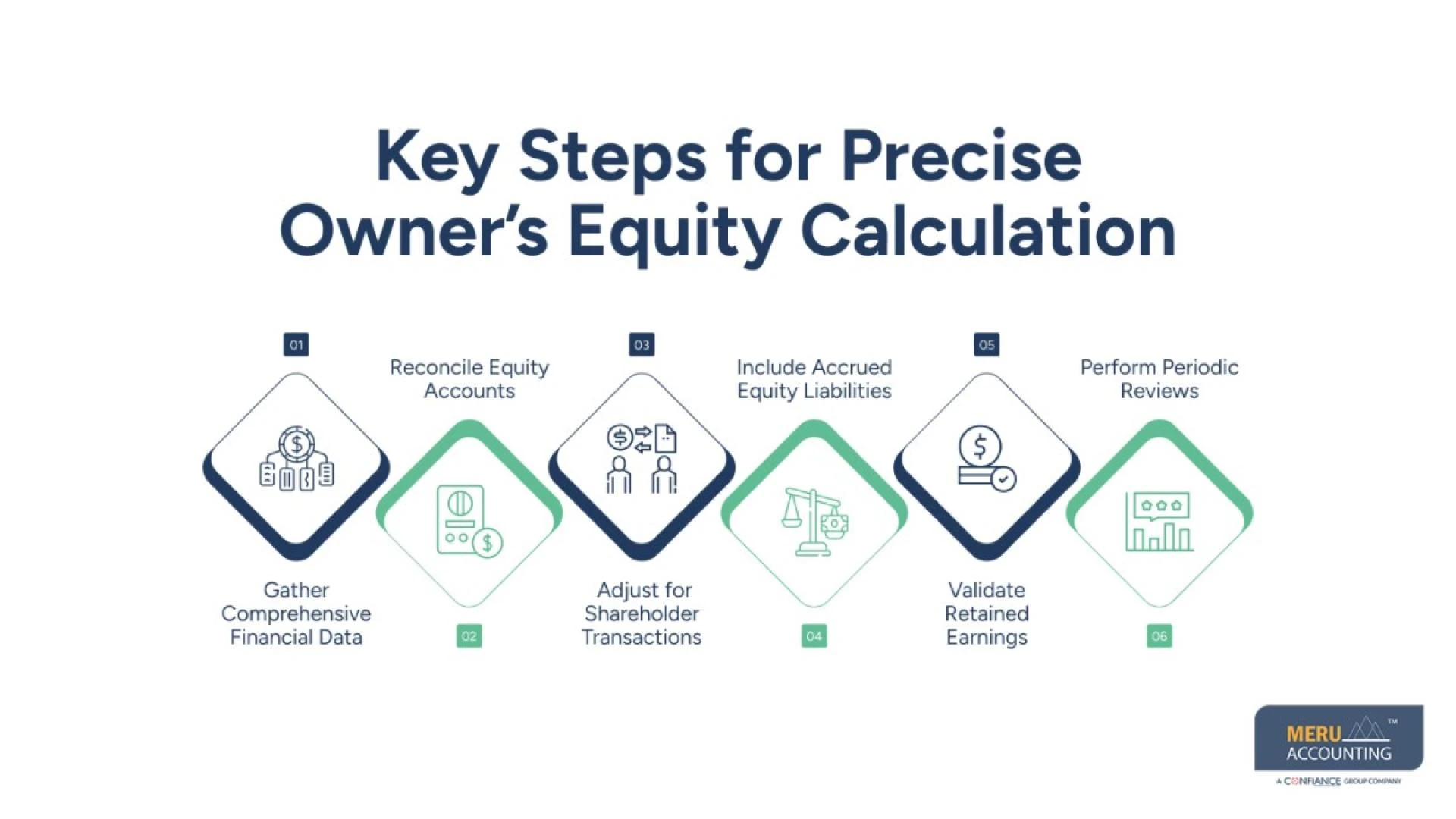
- Collect Complete Data: Gather all financial records, including investments, profits, and withdrawals
- Reconcile Regularly: Match records with actual transactions to catch errors early
- Update Ownership Changes: Record share issues, buybacks, or changes in capital
- Include All Obligations: Track items like stock options or deferred payments
- Check Retained Earnings: Ensure profits and distributions are updated correctly
- Review Periodically: Conduct regular checks to maintain accuracy
Best Practices to Follow
- Use a single system to track all equity-related data
- Keep detailed records of every transaction
- Automate calculations where possible
- Stay updated with tax and legal requirements
- Train staff on basic equity tracking principles
Common Challenges and Solutions
- Complex Transactions: Use software or expert help for clarity
- Data Errors: Reduce manual entry and centralize data
- Changing Rules: Stay updated with regulations
- Wrong Classification: Follow clear accounting guidelines
- Poor Documentation: Maintain proper records for every entry
Role of Technology
Modern tools make tracking Equity Liabilities easier by:
- Automating calculations
- Providing real-time updates
- Reducing manual errors
- Improving reporting accuracy
Final Thought
Accurate tracking of Equity Liabilities helps businesses stay organized, compliant, and financially strong. By following simple steps and using the right tools, companies can maintain clear records, build trust, and support long-term growth.
Meru Accounting is a renowned accounting firm specializing in comprehensive financial services with a focus on precision in equity liabilities management. Their expertise covers owner’s equity calculation, ensuring clients maintain accurate, compliant, and efficient equity tracking systems. Meru Accounting utilizes advanced technology coupled with in-depth knowledge of accounting standards to assist businesses in navigating complex equity transactions and maintaining transparent ownership structures. Their client-centric approach and tailored solutions help organizations optimize financial performance and regulatory compliance.