
The science of longevity has evolved rapidly over the past decade. Researchers in the United States and around the world are increasingly exploring peptides—small chains of amino acids that act as biological messengers in the body. Among the peptides attracting growing attention in research circles is the epithalon peptide, which scientists study for its potential role in cellular aging and biological regulation.
Peptide-based research is expanding because these molecules can interact with specific receptors and biological pathways. Unlike many larger compounds, peptides often influence targeted processes within the body, making them valuable tools for studying cellular communication, metabolism, and aging mechanisms.
This article explores what scientists currently understand about epithalon research, how it compares with other peptides like semax and NAD+–related compounds, and what researchers consider when studying these molecules in laboratory environments.
What Is Epithalon Peptide?
Epithalon is a synthetic peptide derived from epithalamin, a naturally occurring peptide associated with the pineal gland. The pineal gland plays a role in regulating biological rhythms, hormone signaling, and certain metabolic processes.
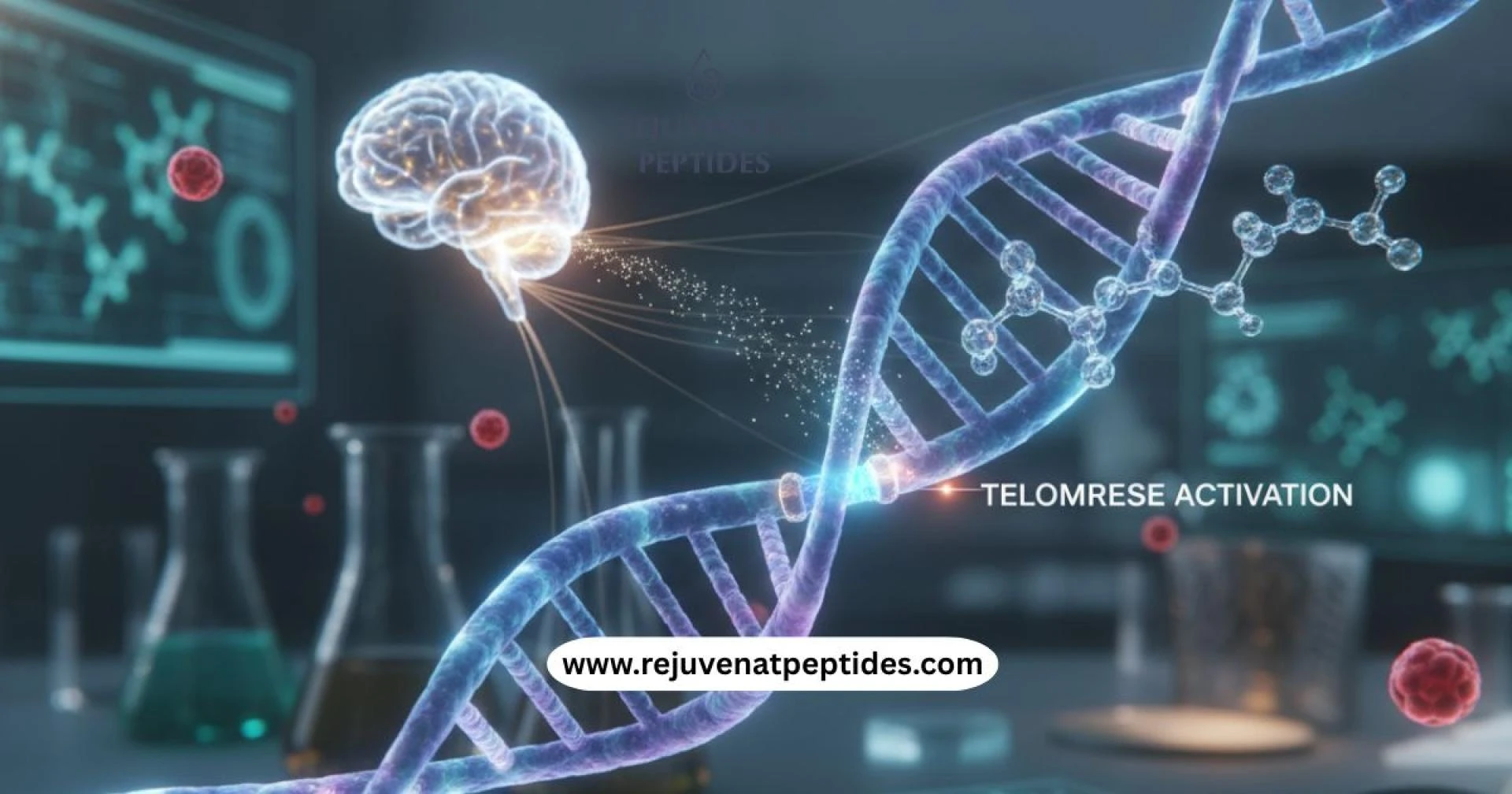
Researchers are interested in epithalon because of its potential interaction with telomeres—protective structures at the ends of chromosomes that naturally shorten as cells divide over time.
Why Telomeres Matter in Aging Research
Telomeres are often studied in longevity science because they act as protective caps for chromosomes. As cells replicate, telomeres gradually shorten, which researchers associate with cellular aging.
Some laboratory studies suggest that epithalon may influence telomerase activity, the enzyme responsible for maintaining telomere length. While research in this area is ongoing, scientists are exploring whether peptide signaling could help them better understand how cells age.
Why Peptides Are Important in Longevity Research
Peptides have become important research tools because they participate in many biological processes. They often function as signaling molecules that help cells communicate with one another.
Scientists study peptides to analyze several biological mechanisms, including:
- Cellular repair processes
- Hormone signaling pathways
- Immune responses
- Neurological communication
Because peptides interact directly with receptors, researchers can use them to examine specific biological responses in controlled laboratory environments.
Epithalon Peptide in Laboratory Research
Researchers typically study epithalon in controlled settings to observe how it interacts with cellular systems.
Cellular Aging Studies
One of the most widely discussed areas of epithalon research involves cellular aging. Scientists examine how peptides influence gene expression and cellular activity related to aging processes.
In some laboratory experiments, researchers observe how peptides interact with cells that show age-related biological changes. These studies help scientists explore how cellular signaling may influence long-term biological function.
Sleep and Circadian Rhythm Research
Because epithalon originates from the pineal gland environment, researchers are also interested in its potential relationship with circadian rhythms.
The pineal gland plays a role in melatonin production and sleep cycles. Scientists are studying whether peptides connected to this gland may influence biological rhythms or hormone signaling pathways.
While research is still developing, these areas offer insight into how peptides interact with complex biological systems.
Comparing Epithalon With Other Research Peptides
Peptide research rarely focuses on a single compound. Scientists often analyze several peptides simultaneously to understand how different signaling molecules influence biological systems.
Two peptides that frequently appear in longevity and neurological research are semax and NAD+–related peptides.
Semax Peptide and Neurological Research
The semax peptide is commonly studied in neuroscience research. It is a synthetic peptide derived from adrenocorticotropic hormone (ACTH).
Researchers examine semax for its interaction with brain signaling pathways and its potential influence on cognitive functions.
In laboratory studies, scientists analyze semax to observe how peptides affect neurotransmitter activity and neural communication.
NAD+ Peptide Research and Cellular Energy
NAD+ is a coenzyme that plays a major role in cellular energy metabolism. Some peptides being studied are associated with pathways that influence NAD+ activity.
Researchers analyze these pathways because NAD+ levels decline with age. Studying NAD+ peptide interactions allows scientists to explore how energy metabolism and cellular repair processes change over time.
By comparing these peptides, researchers gain a broader understanding of how molecular signaling contributes to biological function.
Actionable Tips for Understanding Peptide Research
For readers who are interested in learning more about peptide science, understanding how research is conducted can help separate scientific facts from online speculation.
Here are several practical ways to evaluate peptide-related information.
1. Look for Peer-Reviewed Research
Scientific journals remain the most reliable source of peptide research information. Peer-reviewed studies provide data that has been reviewed by experts in the field.
2. Understand the Difference Between Research and Application
Many peptides are still being studied in laboratory environments. Research findings do not automatically translate into practical use or approved therapies.
3. Pay Attention to Study Design
Well-designed studies usually include controlled experiments, measurable outcomes, and detailed methodology. These elements help ensure the research results are reliable.
4. Follow Ongoing Longevity Research
Longevity science is evolving quickly. Organizations and biotechnology companies in the U.S. are investing heavily in cellular biology research, which means new discoveries are emerging regularly.
Real Example: How Peptide Research Advances Scientific Knowledge
A good example of peptide research progress comes from studies focused on telomere biology.
Over the past two decades, scientists studying cellular aging discovered that telomere length plays a role in how cells age and divide. This discovery led researchers to examine compounds that may influence telomerase activity.
Peptides such as epithalon are now being studied within this broader context. While research is still ongoing, these studies help scientists explore how molecular signals may affect cellular aging processes.
This type of research does not happen overnight. It typically involves years of laboratory work, multiple research teams, and peer-reviewed validation before conclusions can be drawn.
The Future of Peptide Research in the United States
The United States has become one of the leading centers for peptide and biotechnology research. Advances in molecular biology, AI-driven drug discovery, and synthetic peptide development are accelerating scientific progress.
Several trends are shaping the future of peptide science:
- Growth of longevity and aging research
- Increased investment in biotechnology startups
- Improved peptide synthesis technologies
- Expansion of personalized medicine research
These developments are creating new opportunities for scientists to explore how peptides influence complex biological systems.
Conclusion
Peptides have become one of the most exciting areas of modern biological research. Compounds like the epithalon peptide are being studied to better understand cellular aging, telomere biology, and molecular signaling pathways.
At the same time, researchers continue to explore other peptides such as semax peptide and NAD+ peptide–related compounds to expand their understanding of neurological function, metabolism, and cellular repair.
While many discoveries are still emerging, peptide research is helping scientists uncover new insights into how biological systems function over time. As longevity science continues to evolve, these small molecules may play a major role in shaping the future of biotechnology and cellular research.