
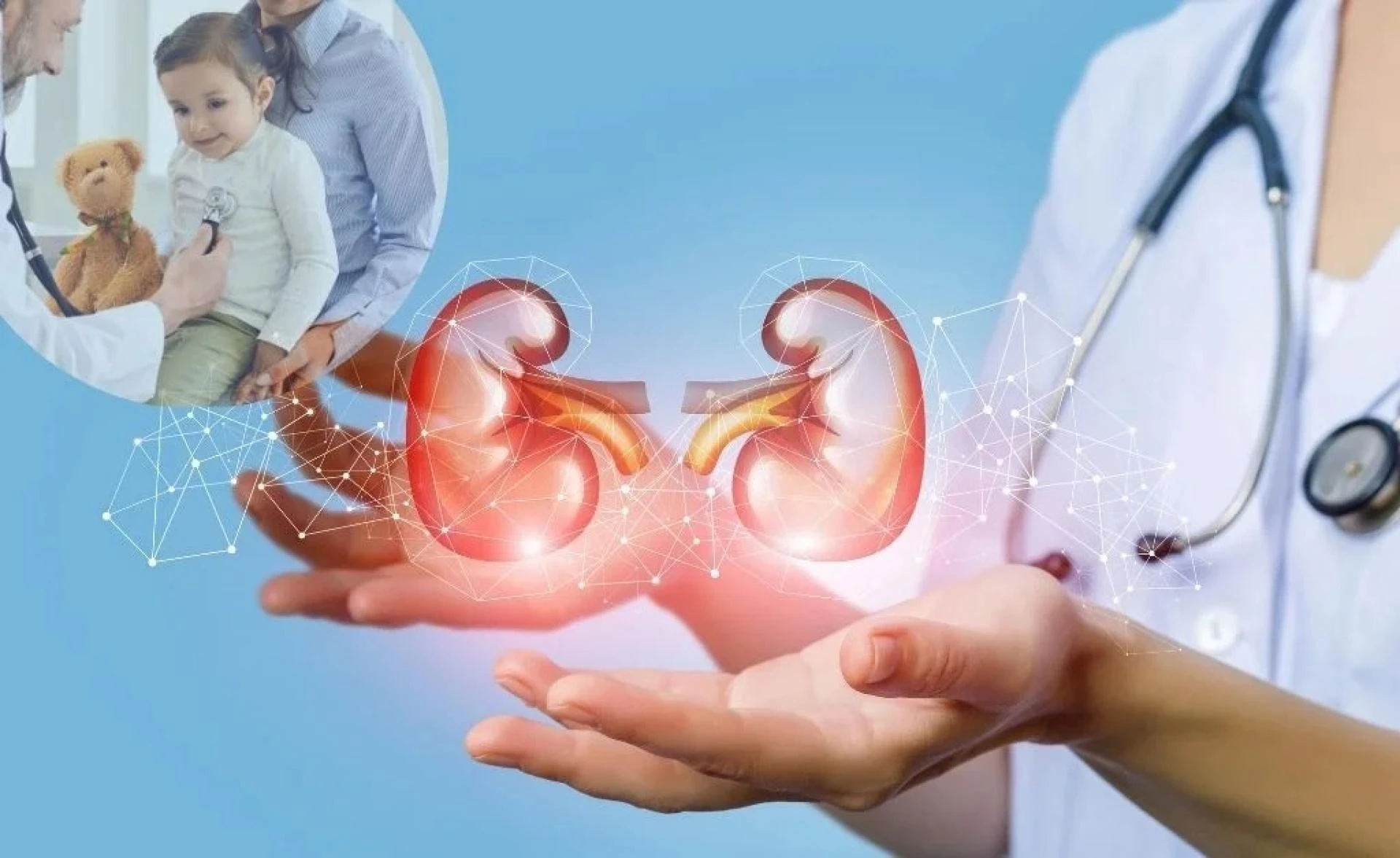
Kidney health in children is often overlooked, yet kidney diseases can begin early in life. Unlike adults, pediatric kidney disorders are frequently linked to congenital abnormalities, premature birth, or complications during early hospitalization. With rising awareness in Pediatric Nephrology India, early detection and preventive care have become essential in safeguarding long-term kidney health in children.
Children with high-risk birth histories or underlying medical conditions require close monitoring. Timely identification of kidney-related issues significantly improves treatment outcomes and helps prevent long-term complications.
Early Warning Signs of Kidney Disease in Children:
Recognizing early symptoms is crucial for prompt intervention. Parents should be vigilant for the following signs:
- Swelling around the eyes, face, feet, or abdomen
- Bedwetting beyond the age of 5 years or recurrence after a dry phase
- Frequent urination or difficulty during urination
- Painful urination in older children or crying during urination in infants
- Foul-smelling, cloudy, dark, or blood-tinged urine
- Recurrent unexplained fever
- Persistent abdominal pain or history of kidney stones
- High blood pressure or frequent headaches
- Reduced or excessive urine output
- Poor appetite, vomiting (especially in infants), or slow growth
- Weak urinary stream or dribbling
- Fatigue, low energy levels, and pale skin
These symptoms may indicate underlying kidney dysfunction and should not be ignored.
Preventive Measures for Healthy Kidneys:
Maintaining kidney health in children largely depends on lifestyle and dietary habits. Here are key preventive strategies:
- Ensure Adequate Hydration
Encourage children to drink sufficient water throughout the day. Proper hydration supports kidney function and helps eliminate toxins. Urine should ideally be light in color, indicating good hydration.
2. Limit Processed and Sugary Drinks
Avoid sports drinks, energy beverages, and processed “health” drinks. These often contain excess sugar and additives that can contribute to obesity and metabolic issues, indirectly affecting kidney health.
3. Maintain Balanced Protein Intake
While protein is essential for growth, excessive intake can strain the kidneys. A balanced diet with appropriate protein levels is recommended.
4. Reduce Salt Consumption
High sodium intake from junk food, chips, and processed meals can increase blood pressure, placing additional stress on the kidneys. Opt for home-cooked meals with minimal added salt.
5. Promote Regular Physical Activity
Encourage children to engage in daily exercise or sports. Physical activity helps maintain a healthy weight, regulate blood pressure, and improve overall well-being.
Who Should Be Screened?
Certain children are at higher risk and should undergo regular screening, including blood pressure checks, urine analysis, and growth monitoring:
- Children with a family history of kidney disease
- Premature babies or those with low birth weight
- Obese children or those with poor growth patterns
- Children with abnormal findings on antenatal ultrasound
- History of urinary tract infections
- Abnormal urine test reports
Early screening enables timely diagnosis and prevents disease progression.
Importance of Early Diagnosis and Specialized Care:
Advancements in Pediatric Nephrology India have made it possible to diagnose and treat kidney diseases effectively at an early stage. In severe cases, timely referral to a Pediatric Kidney Transplant Specialist in Delhi can be life-saving, ensuring access to advanced treatment options including transplantation.
Additionally, antenatal screening during pregnancy plays a vital role in detecting congenital kidney abnormalities, allowing early planning and intervention after birth.
Conclusion:
Kidney health in children requires continuous attention from birth through adolescence. Awareness, early detection, and healthy lifestyle practices are key to preventing kidney-related complications. By recognizing warning signs early and seeking expert care, parents can ensure better health outcomes and a healthier future for their children.
#Pediatric Kidney Transplant Specialist in Delhi #Pediatric Nephrology India