
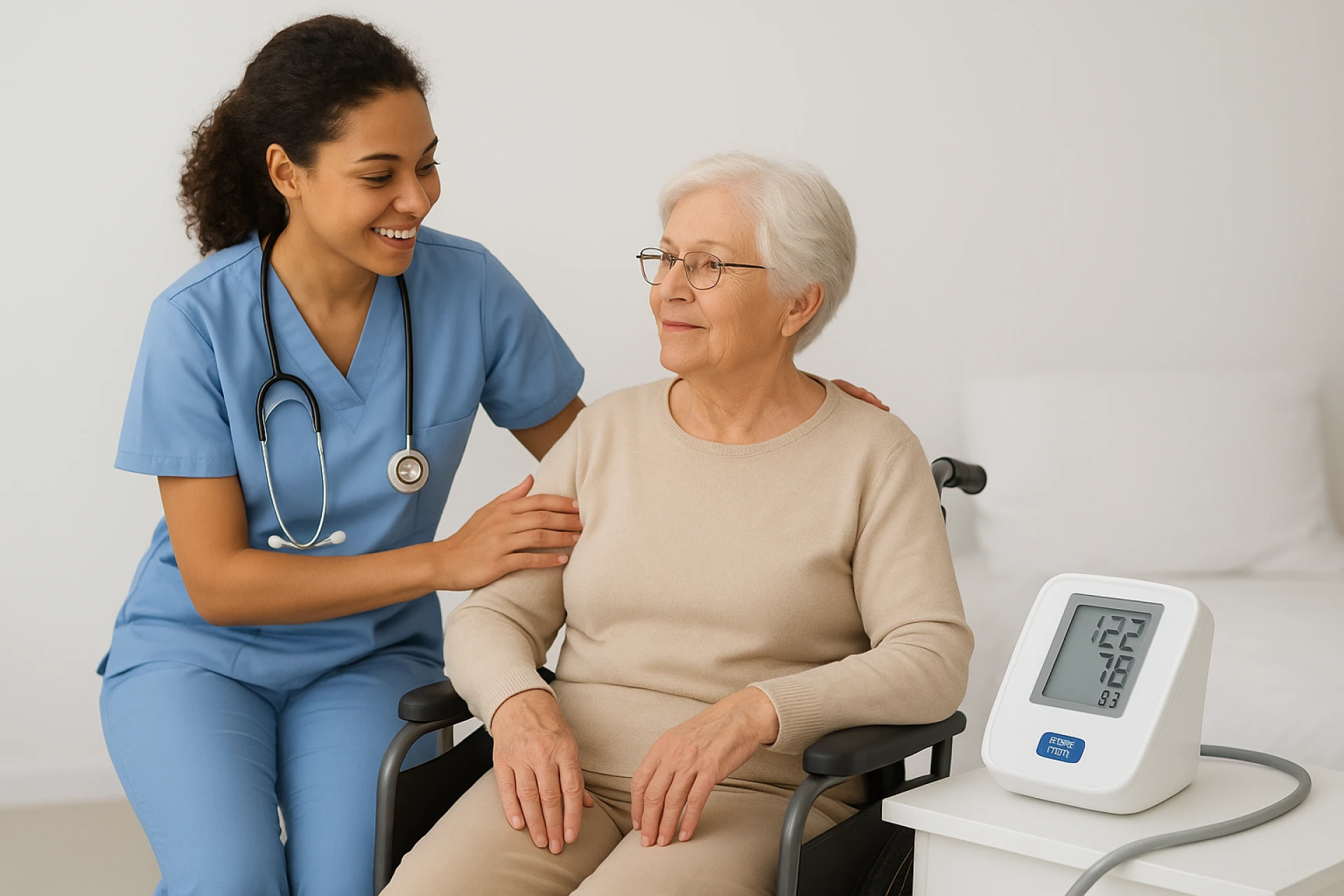
As global populations age, healthcare systems face growing challenges in ensuring both mobility and health monitoring for the elderly. Institutions such as hospitals, nursing homes, and rehabilitation centres are focusing on advanced equipment that supports independence, comfort, and preventive care. Two essential components in this category are the elderly care wheelchair and the automatic blood pressure meter.
Together, these devices form a crucial foundation for elderly well-being — enabling safe movement, promoting autonomy, and facilitating accurate monitoring of vital health parameters.
Understanding the Importance of Elderly Care Equipment
The ageing process often brings mobility limitations and chronic health issues that require consistent attention. Effective elderly care combines assistance tools and monitoring systems to enhance quality of life while reducing the burden on caregivers and medical staff.
An elderly care wheelchair provides essential mobility support, enabling seniors to move safely both indoors and outdoors. Meanwhile, the automatic blood pressure meter allows for regular, precise measurement of blood pressure levels, helping to detect and manage cardiovascular conditions early.
Together, these devices empower healthcare providers and patients to maintain independence, comfort, and dignity.
Elderly Care Wheelchair: Mobility with Dignity
Role in Modern Healthcare
Mobility aids are among the most critical tools in elderly care. The elderly care wheelchair ensures safe, efficient, and comfortable movement for individuals with limited mobility due to ageing, surgery, or chronic illness.
In hospitals and care homes, wheelchairs help reduce physical strain on staff while providing elderly patients the freedom to move with minimal assistance. For home-care environments, lightweight and foldable models enhance convenience for both users and caregivers.
Key Features of an Elderly Care Wheelchair
Modern wheelchairs are designed with both patient comfort and practical usability in mind. Important features include:
- Ergonomic Seating: Cushioned seats with posture support to prevent fatigue and pressure sores.
- Foldable Frame: Easy storage and transport, ideal for home or institutional use.
- Lightweight Construction: Aluminium or steel frame for strength without added bulk.
- Safety Brakes: Secure locking system to prevent accidental rolling.
- Adjustable Footrests and Armrests: Adaptable for different user needs and comfort preferences.
- Durable Wheels: Designed for smooth indoor manoeuvring and outdoor stability.
These features allow healthcare providers to maintain high standards of safety, hygiene, and comfort.
Benefits for Healthcare Institutions
- Improved Patient Mobility: Reduces dependency and encourages movement during recovery.
- Operational Efficiency: Minimises manual handling for caregivers and nursing staff.
- Versatility: Suitable for hospitals, rehabilitation centres, and elderly homes.
- Ease of Maintenance: Quick cleaning and durable materials reduce downtime.
- Customisation: Options such as reclining backrests, detachable footrests, and self-propelling wheels cater to individual patient needs.
Technological Advancements in Wheelchairs
The evolution of elderly care wheelchairs now includes automated and power-assisted options. Electric wheelchairs enable users to navigate with minimal effort, while smart sensors enhance safety by detecting slopes and obstacles. Integration with digital monitoring systems further supports rehabilitation programmes and post-operative recovery.
Automatic Blood Pressure Meter: Accuracy in Health Monitoring
Why Blood Pressure Monitoring Matters
Hypertension and cardiovascular diseases are among the most common health issues in older adults. Regular blood pressure checks help in early detection, medication adjustment, and overall health management. Manual measurement methods, though reliable, can be time-consuming and dependent on operator skill.
The automatic blood pressure meter offers a faster, more efficient, and accurate way to monitor vital signs both in clinical and home settings.
Key Features of an Automatic Blood Pressure Meter
- Digital Display: Large, backlit screens for easy reading by elderly users.
- Automatic Inflation and Deflation: Ensures comfort and eliminates manual effort.
- High Accuracy: Built-in calibration and sensor technology reduce measurement errors.
- Memory Function: Stores multiple readings for trend tracking and medical analysis.
- Portable Design: Compact and lightweight for easy mobility.
- One-Touch Operation: Simplifies use for both patients and caregivers.
The simplicity and precision of automatic devices make them indispensable for elderly healthcare management.
Clinical and Home Applications
- Hospitals and Clinics: Streamlines patient check-ups, especially in geriatric departments.
- Rehabilitation Centres: Monitors blood pressure during physical therapy sessions.
- Home-Care: Enables families and caregivers to track readings conveniently without professional assistance.
- Pharmacies and Health Kiosks: Allows customers to self-check blood pressure for preventive health awareness.
These applications demonstrate the adaptability of automatic meters in both institutional and personal care environments.
Benefits of Automatic Blood Pressure Meters
- Consistency and Reliability: Eliminates observer bias associated with manual sphygmomanometers.
- Ease of Use: Designed for elderly users with minimal training.
- Time Efficiency: Rapid readings allow medical staff to focus on other aspects of patient care.
- Integration with Digital Systems: Some models sync data with hospital records or mobile apps for remote monitoring.
- Cost-Effectiveness: Durable, low-maintenance design ensures long-term value.
Integrating Mobility and Monitoring in Elderly Care
The combination of an elderly care wheelchair and an automatic blood pressure meter represents a holistic approach to elderly well-being. Mobility aids enhance freedom and physical activity, while monitoring devices ensure continuous health supervision.
Healthcare institutions can streamline elderly care by integrating these solutions into daily routines. For example:
- Wheelchairs equipped with side trays allow patients to check their own blood pressure easily.
- Regular monitoring sessions reduce hospital readmissions and improve patient outcomes.
- Rehabilitation programmes can track cardiovascular responses during therapy using portable monitors.
This integration supports a proactive, patient-centred care model aligned with global standards for geriatric health management.
B2B Procurement Considerations
Healthcare administrators and distributors should evaluate several factors before procurement:
- Quality Certifications: Look for CE and ISO compliance.
- Durability: Assess frame material, battery life (for powered wheelchairs), and sensor longevity.
- Ease of Maintenance: Prioritise equipment with removable and washable parts.
- Warranty and Support: Choose suppliers with responsive technical service.
- Volume Flexibility: Ensure the supplier can meet bulk institutional requirements.
Selecting dependable manufacturers and distributors guarantees patient safety and long-term operational efficiency.
The Future of Elderly Healthcare Equipment
Technological innovation continues to transform elderly care. Future wheelchairs may feature self-driving navigation, voice control, and real-time health tracking. Likewise, automatic blood pressure meters are evolving towards wearable designs, integrating artificial intelligence for predictive health analytics.
These developments will redefine elderly care — making it more connected, efficient, and human-centred.
Conclusion
Providing elderly patients with safe mobility and reliable health monitoring is central to modern healthcare delivery. The elderly care wheelchair and automatic blood pressure meter together create a balanced approach — combining freedom of movement with continuous care and safety.
Healthcare facilities, distributors, and caregivers seeking quality-assured, efficient, and user-friendly equipment can rely on ROMED HOLLAND for comprehensive solutions that support both mobility and health management across the elderly population.