
Environmental conditions may shift slowly or rapidly over the course of minutes, so stable conditions are crucial for safe, accurate observation, research, agriculture, manufacturing, and infrastructure management. Weather, industrial processes, seasonal factors, and work activity can all alter temperature, humidity, air quality, pressure, and other variables. The tracking of these environmental factors facilitates the early detection of any changes, thus enabling the organization to tackle any problems that might arise.
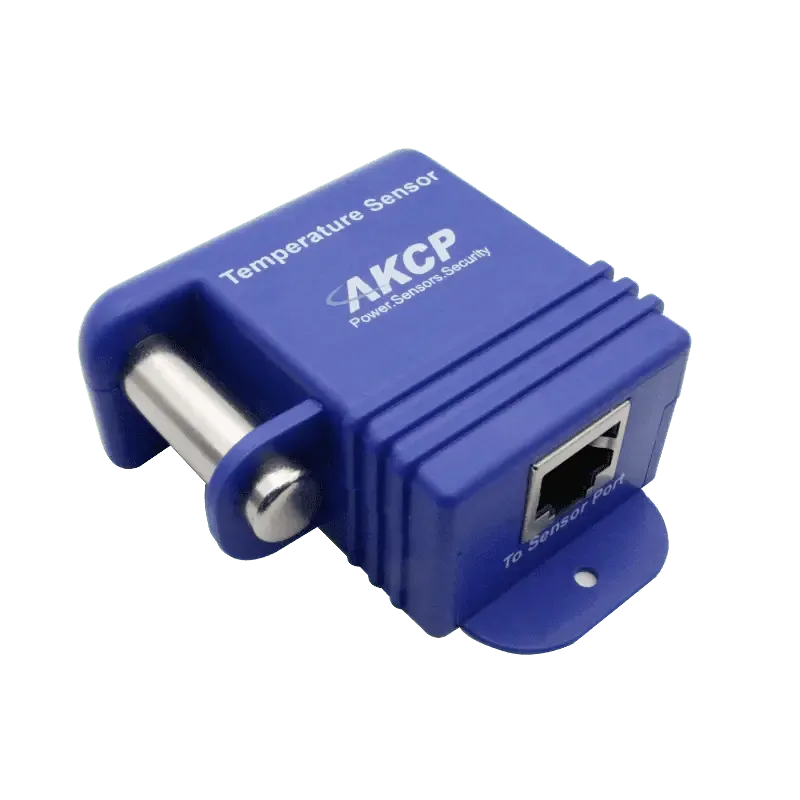
The modern environmental monitoring sensors represent an effective means of gathering data from the environment. This technology has the ability to sense certain physical or chemical properties of the environment and transform these properties into useful data. Based on the specific needs of the monitoring system, the system will be able to measure particulates, gases, humidity, temperature, sound levels, water quality, or even radiation.
Accuracy is one aspect that needs to be considered when choosing sensing equipment. The appropriate sensor should suit the environmental parameter that is being measured, the range of measurement needed, and the operational environment. Calibration is another key aspect due to the variation of performance by sensors through time. Periodic inspections can assist in maintaining reliable readings and minimizing mistakes that might influence future analyses.
Connectivity has increased the functionality of the environmental monitoring sensors. In most cases, they can send the readings using wired communication networks, wireless communication, or an Internet-based communication platform. This will enable users to access the readings remotely while at the same time being able to compare readings from various sources. They can also trigger alarms whenever readings exceed the set levels.
Data gathered from such systems could show trends that would not have been seen through ad hoc manual checks. Repeat measurements would allow identification of seasonally based variations, excessive amounts of pollutants, moisture issues, and other variances both inside and outside the building. With the proper software, sensor information can be converted into reports, graphs, and history. These observations can help in making quick decisions and ensuring that healthier environments prevail.
It is also important to consider the installation environment prior to the installation of measuring devices. Dust, moisture, temperature extremes, vibrations, or chemicals may affect the performance of the devices. Proper installation can help ensure that the measurements are taken under the conditions of interest, not localized disturbance. An enclosure may be helpful for rough environments. Regular inspections will also be able to detect physical damage, contamination, and other issues that may impact sensor readings.
With the advancement of environmental management becoming more reliant on data, having a reliable form of sensing technology will be helpful in responding and planning faster. Environmental monitoring sensors could prove helpful for consistent monitoring without depending too much on occasional monitoring. Proper use of equipment along with its calibration and interpretation will be helpful in constructing monitoring systems.
Brian Brown is the author of this article. For more details about Leak Detection, please visit our website: enviromon.net.