Engineering Guide: Key Technical Metrics for Industrial LED Lighting Selection
Designing and implementing lighting infrastructure for industrial facilities, manufacturing plants, and large-scale logistics hubs requires a rigorous approach to engineering parameters. Unlike commercial or residential environments, industrial spaces operate under extreme conditions that put heavy stress on electrical equipment. Selecting the wrong illumination systems can lead to premature equipment failure, high maintenance overheads, increased power consumption, and severe workplace safety violations.
To ensure long-term reliability and a solid return on investment (ROI), electrical engineers and project managers must evaluate several critical technical metrics during the design stage.
Key Engineering Parameters for B2B Lighting
When preparing electrical and lighting design sections (such as Power Equipment & Lighting layouts), the selection process must go beyond basic wattage. Industrial environments demand a deep analysis of optical and structural components:
- Advanced Thermal Management: The lifespan of an industrial LED luminaire depends directly on how effectively heat is dissipated away from the LED chips and the driver. High-quality fixtures utilize robust housings engineered from die-cast aluminum with a precisely calculated radiator area to prevent diode degradation.
- Optical Precision and Light Distribution: Using precise optical lenses allows engineers to shape specific Light Distribution Curves (LDC). For instance, deep or narrow beams are essential for high-bay facilities and narrow racking aisles to direct light exactly where it is needed, avoiding blinding glare.
- Ingress Protection (IP Rating): Industrial environments are often compromised by dust, high humidity, vibration, and chemical vapors. Engineering specifications must demand a high ingress protection rating, ensuring the internal electronics are completely sealed.
Engineering Note: Modern occupational safety regulations require strict compliance with flicker index, unified glare ratings (UGR), and color rendering standards to maintain workplace safety and prevent eye strain.
Technical Comparison: Industrial vs. Standard Commercial Lighting
To understand why specialized equipment is required for heavy-duty environments, consider the structural differences outlined in the technical table below:
Technical Parameter | Standard Commercial Panels | Heavy-Duty Industrial Luminaires
- Housing Material: Thin plastic or stamped sheet metal | Thick die-cast or extruded aluminum
- Operating Temperature Range: -10°C to +40°C | Extreme resilience from -60°C up to +70°C
- Ingress Protection Rating: IP20 / IP40 (No moisture) | IP65 / IP67 (Dust-tight and waterproof)
- Diffuser / Lens Type: Standard polystyrene (prone to yellowing) | Tempered borosilicate glass or high-impact polycarbonate
- Power Factor: From 0.70 to 0.85 | High efficiency 0.95 or higher with surge protection
Securing Accurate Technical Data for DIALux Calculations
When dealing with complex B2B procurement, direct alignment with manufacturing capabilities is crucial. Relying on reputable manufacturers allows contractors to obtain verified IES files and BIM models necessary for precise DIALux evo calculations.
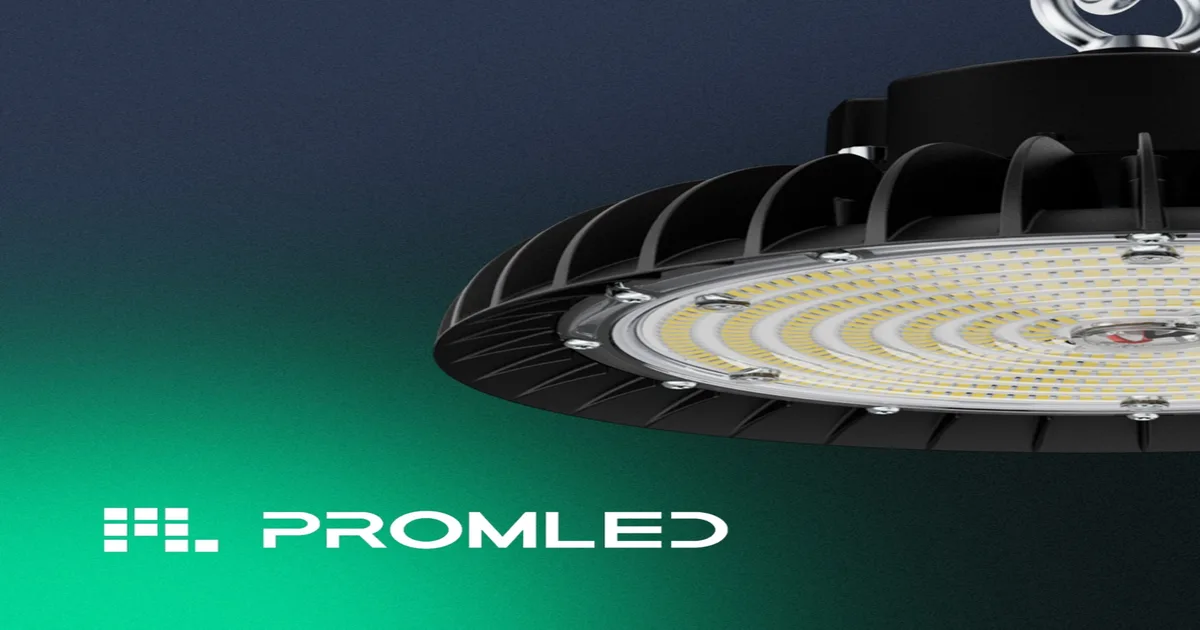
For instance, professional engineering teams frequently cooperate with specialized brands like PromLED industrial LED luminaires, which provides full-cycle development of heavy-duty lighting systems. Having direct access to factory-backed technical support and honest photometric data ensures that the equipment successfully passes rigorous state technical expertise and strict audit guidelines.
Ultimately, minimizing up-front equipment costs by choosing unverified components usually results in catastrophic failure rates and expensive maintenance turnarounds. Prioritizing strict engineering standards, robust materials, and comprehensive factory warranties is the only viable path to executing a modern, energy-efficient, and safe industrial lighting project.