
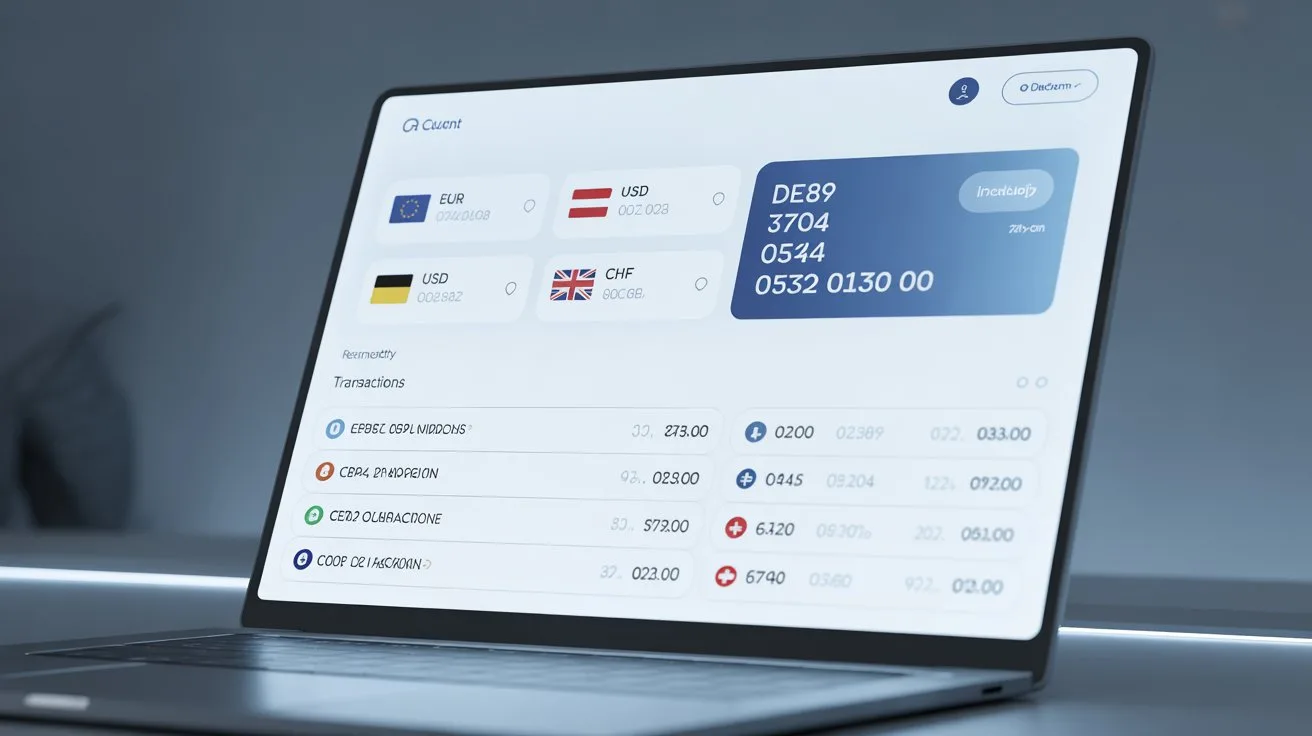
In a fully integrated digital economy, commerce moves at the speed of light, yet traditional corporate finance remains bogged down by decades-old banking structures. For fast-growing enterprises expanding into new geographic markets, relying on standard single-currency banking networks creates a massive bottleneck. Every international deal, overseas vendor payment, or foreign client invoice becomes a source of financial friction. This friction shows up as slow settlement times, unpredictable intermediary bank fees, and forced retail currency conversions that eat into profit margins. Managing global operations through a scattered patchwork of local bank accounts is no longer a viable strategy. True financial agility requires a modernized setup. Transitioning to a dedicated multi-currency iban account gives your treasury department a powerful, singular platform designed to orchestrate international liquidity effortlessly.
This specialized digital banking infrastructure completely changes how your enterprise manages its international cash positions. Instead of accepting immediate, costly currency conversions at the moment of a transaction, a multi-currency setup lets you maintain distinct, native balances for dozens of global currencies under one banking umbrella. When an overseas client settles an invoice, they can pay your company through local domestic clearing networks—such as SEPA in Europe or FedNow in the United States—speeding up transaction times from days to minutes.
Once these funds arrive in your ledger, they stay in their native form, completely bypassing expensive double-conversion cycles. Your finance team can then hold these balances strategically and use them directly to pay global suppliers, cover international ad spend, or handle remote payroll out of the corresponding currency pools. By avoiding automatic retail conversion fees and utilizing competitive wholesale market rates only when moving capital between balances, your business can significantly improve its bottom-line margins.
Beyond direct transaction savings, this digital-first approach radically simplifies corporate governance, financial auditing, and risk management. Operating individual bank accounts across different continents leaves your finance team stuck dealing with disconnected portals, varying statements, and mismatched regulatory requirements. A unified multi-currency account solves this by consolidating all international transactions into a single, real-time interface. This provides clean data streams that link directly into modern automated compliance tools and ERP systems, giving your executives an instant, accurate picture of your global liquidity.
Because every enterprise has a unique transactional footprint, choosing the right digital banking partner is a critical strategic decision. Different platforms offer distinct regional routing advantages, volume-based pricing tiers, and API integration capabilities designed for specific industries. To find the optimal platform for your business size and transaction habits, it is highly beneficial to compare global providers and secure a financial foundation built for international scale.