
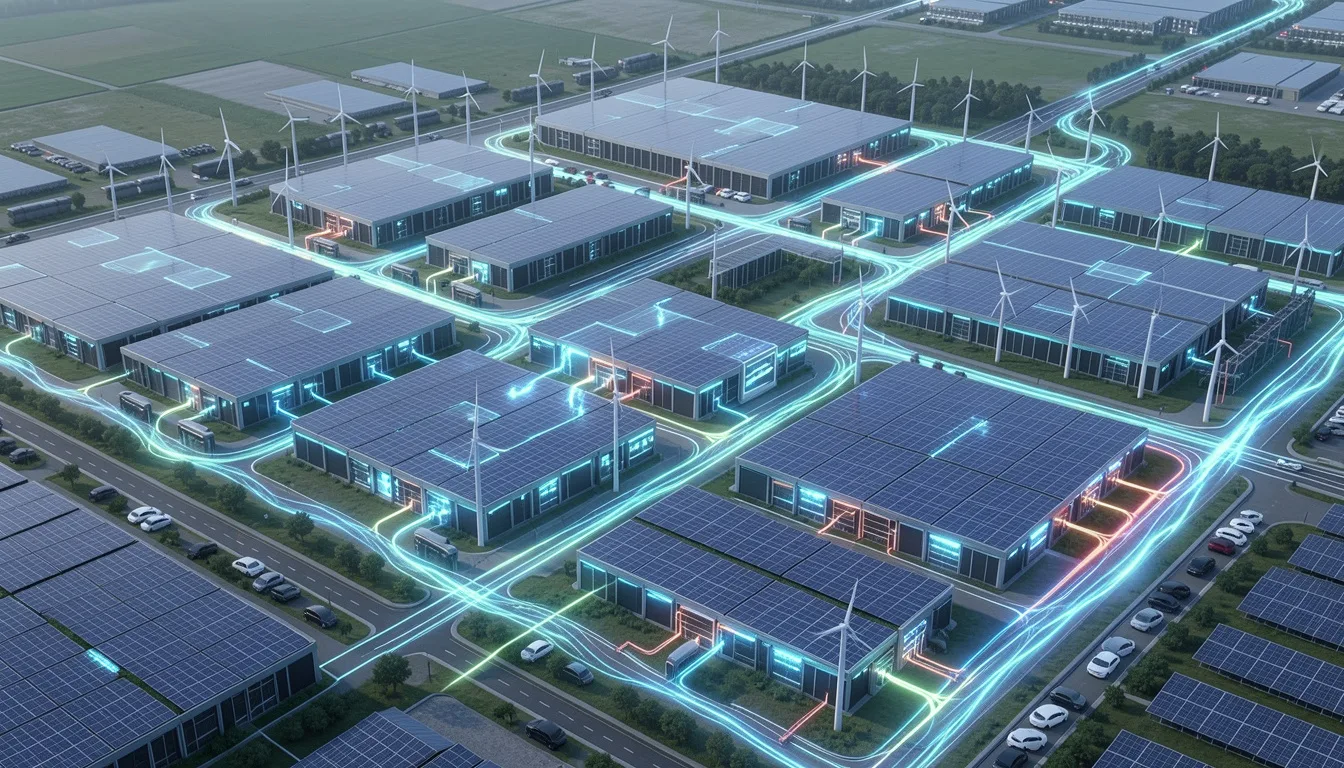
According to Dimension Market Research, The Global Energy Storage Market is experiencing rapid expansion as the world transitions toward cleaner, more resilient, and highly efficient energy systems. Energy storage technologies play a critical role in balancing supply and demand, stabilizing power grids, and enabling the widespread adoption of renewable energy sources such as solar and wind. With increasing electrification across industries and rising investments in sustainable infrastructure, energy storage has become a cornerstone of modern energy ecosystems.
The demand for reliable and scalable storage solutions is rising significantly as governments and utilities aim to reduce dependence on fossil fuels. Energy storage systems, including lithium-ion batteries, flow batteries, pumped hydro storage, and thermal storage solutions, are being deployed across residential, commercial, and utility-scale applications. These systems help store excess energy during low-demand periods and release it during peak demand, improving grid efficiency and reliability.
Technological advancements, declining battery costs, and supportive regulatory frameworks are further accelerating market growth. In addition, the integration of smart grids, electric vehicles, and distributed energy resources is expanding the role of energy storage in global energy transformation.
Download a Complimentary PDF Sample Report:
https://dimensionmarketresearch.com/request-sample/energy-storage-market/
Market Overview
The Global Energy Storage Market size is expected to reach a value of USD 58.9 billion in 2024, and it is further anticipated to reach a market value of USD 204.8 billion by 2033 at a CAGR of 14.8%.
This strong growth reflects the increasing need for energy reliability, grid modernization, and renewable energy integration across both developed and emerging economies.
What is Energy Storage?
Energy storage refers to technologies that capture energy produced at one time for use at a later time. These systems help manage energy supply fluctuations and improve grid stability.
Common energy storage technologies include:
- Lithium-ion batteries
- Flow batteries
- Pumped hydro storage
- Compressed air energy storage
- Thermal energy storage
- Flywheel energy storage
These technologies are widely used in power grids, electric vehicles, renewable energy systems, and backup power applications.
Key Market Drivers
Rapid Expansion of Renewable Energy Sources
One of the most significant drivers of the energy storage market is the rapid growth of renewable energy generation. Solar and wind energy are intermittent in nature, requiring efficient storage solutions to ensure continuous power supply.
Energy storage systems help stabilize renewable energy output by storing excess electricity and supplying it during periods of low generation.
Increasing Demand for Grid Stability
Modern power grids face challenges such as fluctuating demand, aging infrastructure, and increasing renewable integration. Energy storage systems play a crucial role in balancing load demand and maintaining grid stability.
Utilities are increasingly investing in large-scale battery storage systems to enhance grid reliability and efficiency.
Declining Battery Costs
The cost of lithium-ion batteries has decreased significantly over the past decade due to technological advancements and large-scale manufacturing. This has made energy storage systems more affordable and accessible.
Lower costs are encouraging widespread adoption across residential, commercial, and industrial sectors.
Growth of Electric Vehicles
The rapid adoption of electric vehicles (EVs) is directly influencing the energy storage market. EV batteries require efficient charging infrastructure and energy management systems.
Vehicle-to-grid (V2G) technology is also emerging, enabling EVs to act as mobile energy storage units.
Government Policies and Incentives
Governments worldwide are implementing policies, subsidies, and incentives to promote clean energy adoption. These initiatives are accelerating investments in energy storage infrastructure.
Emerging Trends in the Energy Storage Market
Growth of Utility-Scale Battery Storage
Utility-scale battery storage projects are expanding rapidly as power companies invest in large-capacity storage systems to support renewable integration and peak load management.
Advancement in Solid-State Batteries
Solid-state battery technology is emerging as a next-generation solution offering higher energy density, improved safety, and longer lifespan compared to traditional lithium-ion batteries.
Integration with Smart Grids
Smart grid systems are increasingly incorporating energy storage solutions to optimize energy distribution, reduce losses, and improve operational efficiency.
Rise of Hybrid Energy Storage Systems
Hybrid systems combining multiple storage technologies are gaining popularity due to their ability to improve efficiency, flexibility, and reliability.
Increasing Residential Energy Storage Adoption
Homeowners are increasingly adopting battery storage systems combined with rooftop solar panels to achieve energy independence and reduce electricity costs.
Market Challenges
High Initial Investment Costs
Despite declining battery prices, the initial installation cost of large-scale energy storage systems remains high, limiting adoption in some regions.
Raw Material Supply Constraints
The availability and price volatility of raw materials such as lithium, cobalt, and nickel can impact battery production and supply chains.
Environmental Concerns
Battery disposal and recycling challenges pose environmental risks, requiring sustainable end-of-life management solutions.
Technological Limitations
Some energy storage technologies still face limitations in terms of energy density, efficiency, and long-term performance.
Opportunities in the Energy Storage Market
Expansion of Renewable Energy Projects
Increasing investments in solar and wind energy projects are creating strong demand for integrated energy storage systems.
Growth in Microgrid Development
Microgrids powered by renewable energy and storage systems are gaining traction in remote and off-grid areas.
Technological Innovation
Continuous advancements in battery chemistry, energy management software, and grid integration technologies are opening new market opportunities.
Rising Demand in Emerging Economies
Developing countries are investing in energy infrastructure modernization, creating significant growth potential for energy storage solutions.
Segment Analysis
By Technology
Lithium-Ion BatteriesLithium-ion batteries dominate the market due to their high efficiency, energy density, and declining costs.
Pumped Hydro StoragePumped hydro remains a widely used large-scale storage solution due to its long operational lifespan.
Flow BatteriesFlow batteries are gaining attention for large-scale and long-duration storage applications.
By Application
Residential Energy StorageResidential systems are increasingly used for solar energy storage and backup power solutions.
Commercial and Industrial StorageBusinesses use energy storage to reduce energy costs and improve power reliability.
Utility-Scale StorageUtility applications represent the largest segment due to grid stabilization and renewable integration needs.
Competitive Landscape
The global energy storage market is highly competitive, with companies focusing on innovation, scalability, and sustainability.
Key strategies include:
- Development of advanced battery technologies
- Expansion of utility-scale storage projects
- Strategic partnerships in renewable energy sector
- Investment in recycling and sustainability solutions
- Integration with smart grid infrastructure
- Expansion into emerging markets
Regional Analysis
North America
North America is projected to dominate the global energy storage market, accounting for 44.3% of the total market share by the end of 2024.
The region’s leadership is driven by strong government support, technological innovation, and high renewable energy penetration. The United States, in particular, is heavily investing in grid modernization and large-scale battery storage projects.
Supportive policies and incentives are accelerating the deployment of energy storage systems across residential, commercial, and utility sectors.
Europe
Europe is witnessing strong growth due to aggressive renewable energy targets, carbon neutrality goals, and increasing investment in battery storage infrastructure.
Asia Pacific
Asia Pacific is expected to experience rapid growth due to industrial expansion, rising electricity demand, and large-scale renewable energy deployment.
Latin America
Latin America is gradually adopting energy storage solutions to improve grid reliability and support renewable energy integration.
Middle East & Africa
The region is investing in solar energy projects and hybrid power systems, creating new opportunities for energy storage deployment.
Future Outlook
The future of the global energy storage market is highly promising as the world moves toward decarbonization and energy transition. Continuous advancements in battery technology, grid integration, and renewable energy expansion will drive sustained market growth.
Energy storage systems will play a central role in enabling smart grids, supporting electric vehicle infrastructure, and ensuring energy security. The shift toward sustainable and decentralized energy systems will further accelerate adoption globally.
Frequently Asked Questions (FAQs)
1. What is driving the growth of the energy storage market?
The market is driven by renewable energy expansion, declining battery costs, grid modernization, and rising electric vehicle adoption.
2. What is the projected market value by 2033?
The Global Energy Storage Market is expected to reach USD 204.8 billion by 2033.
3. Which region dominates the energy storage market?
North America dominates the market with a 44.3% share due to strong government support and renewable energy integration.
4. What are the main types of energy storage systems?
Main types include lithium-ion batteries, pumped hydro storage, flow batteries, and thermal storage systems.
5. What are the key challenges in the market?
Major challenges include high installation costs, raw material supply constraints, environmental concerns, and technological limitations.
Key Insights Summary
The Global Energy Storage Market is witnessing strong and sustained growth driven by renewable energy adoption and increasing demand for grid stability. Energy storage technologies are becoming essential for modern power systems, enabling efficient energy management and supporting global decarbonization goals.
North America leads the market, while Asia Pacific shows strong future potential. Continuous innovation in battery technology and energy systems is expected to redefine the global energy landscape.