Running an industrial facility comes with many challenges, and one of the biggest ongoing expenses is energy consumption, particularly from air conditioning systems. Industrial air conditioning units are essential for maintaining a comfortable and safe environment for both employees and sensitive equipment. However, without proper management, these systems can become energy guzzlers, inflating operating costs significantly. For businesses in Adelaide, optimizing industrial air conditioning systems not only reduces energy bills but also contributes to a greener, more sustainable operation. Here are some practical energy-saving tips tailored for industrial setups.
1. Regular Maintenance is Key
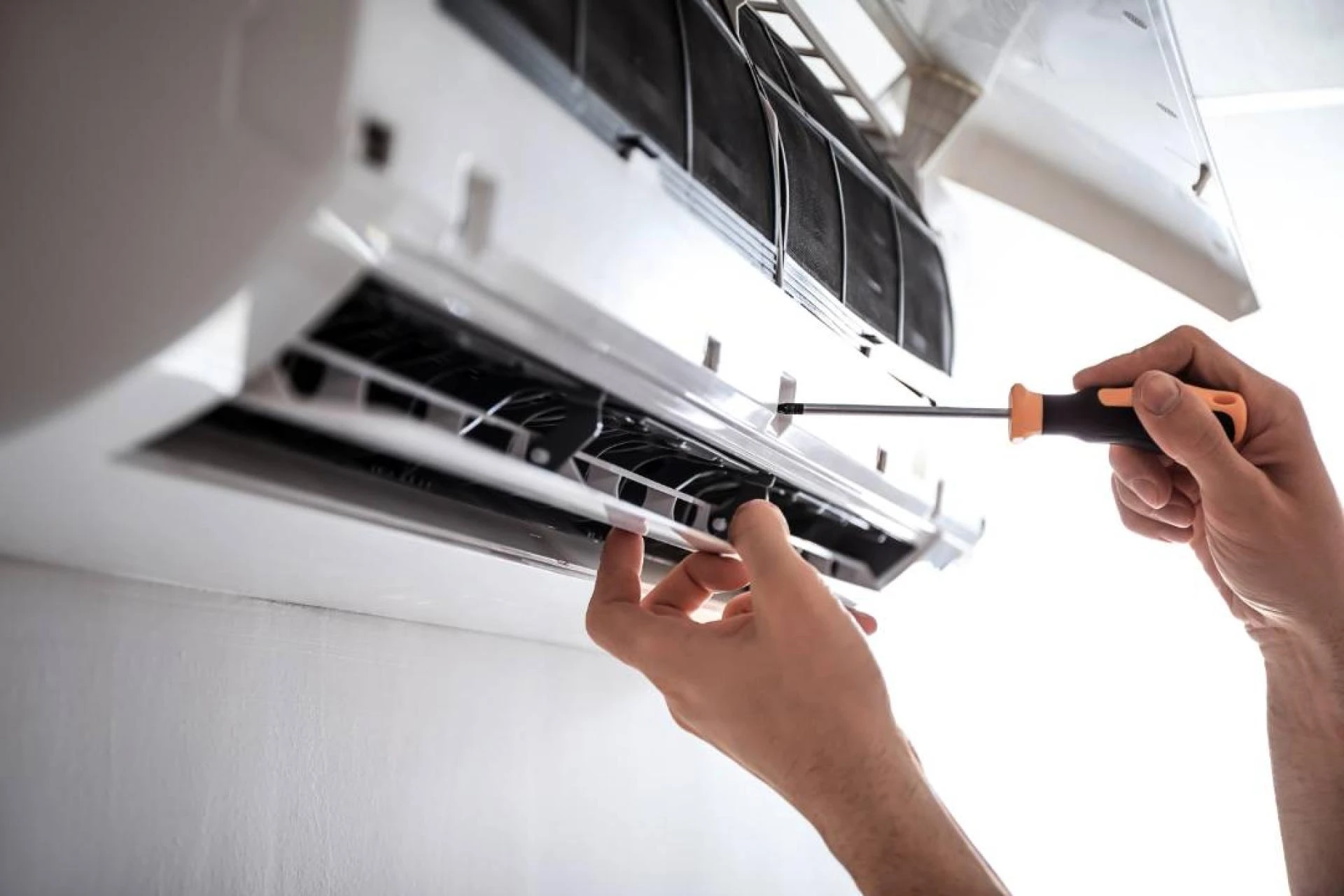
One of the most effective ways to save energy is through consistent maintenance. Dust, debris, and worn-out components can make your industrial air conditioning Adelaide system work harder than necessary. Regular inspections of filters, coils, and fans ensure that air flows freely and cooling efficiency is maximized. Cleaning or replacing filters on schedule can reduce strain on the system, improve airflow, and prevent breakdowns. By investing in routine maintenance, you extend the life of your equipment while keeping energy usage under control.
2. Upgrade to Energy-Efficient Equipment
Technology in industrial air conditioning has advanced significantly over the years. Older systems are often less efficient and consume more electricity. Upgrading to modern, energy-efficient units can lead to substantial savings. Look for units with high SEER (Seasonal Energy Efficiency Ratio) ratings or inverter-driven compressors, which adjust output based on demand, rather than running at full capacity all the time. While the upfront cost may be higher, the reduction in energy consumption quickly offsets the initial investment.
3. Optimize Temperature Settings
Setting the thermostat too low is a common mistake in industrial facilities. While it may seem like a good way to keep workers cool, lowering the temperature excessively increases energy consumption. For most industrial environments, maintaining a temperature between 22°C and 26°C balances comfort and efficiency. Installing programmable thermostats or smart controllers allows facility managers to adjust settings automatically based on occupancy, time of day, or outdoor weather conditions. This prevents unnecessary cooling when areas are unoccupied.
4. Implement Zoning Systems
Industrial spaces often vary in usage and cooling needs. A one-size-fits-all approach to air conditioning can be wasteful. Zoning systems allow you to divide a facility into separate areas and cool only the zones in use. For example, storage areas or seldom-used sections may require minimal cooling, while manufacturing floors or office spaces need more precise climate control. Zoning not only saves energy but also ensures a consistent, comfortable environment where it matters most.
5. Improve Insulation and Building Design
Air conditioning systems work harder when buildings are poorly insulated. Heat gains through walls, roofs, and windows can significantly increase energy consumption. By enhancing insulation, sealing gaps, and installing reflective coatings or window films, you reduce the load on industrial air conditioning Adelaide units. Additionally, thoughtful building design, such as optimizing natural ventilation and positioning air intakes away from heat sources, can make a noticeable difference in cooling efficiency.
6. Utilize Variable Speed Drives
Industrial air conditioning systems often operate on fixed-speed motors, which can be inefficient when full capacity isn’t needed. Installing variable speed drives (VSDs) allows fans and compressors to adjust their speed according to real-time cooling demand. This reduces energy use and prevents unnecessary wear and tear on the system. VSDs are particularly beneficial in facilities with fluctuating workloads or varying occupancy levels, ensuring that energy is only used when needed.
7. Recover and Reuse Waste Heat
Many industrial air conditioning systems produce heat as a byproduct of cooling processes. Instead of allowing this heat to go to waste, consider implementing a heat recovery system. Reusing waste heat for water heating, pre-heating spaces, or other industrial processes reduces the overall energy footprint. This approach not only lowers energy costs but also contributes to a more sustainable operation, which is increasingly important in today’s environmentally conscious market.
8. Monitor Energy Usage
Finally, continuous monitoring is essential for maintaining energy efficiency. Installing energy meters and monitoring systems allows you to track the performance of your industrial air conditioning Adelaide units in real time. By analyzing patterns of energy consumption, you can identify inefficiencies, schedule maintenance proactively, and adjust settings to maximize savings. Many modern systems offer automated reports and alerts, making it easier to manage large-scale operations without constant manual oversight.
Conclusion
Energy efficiency is no longer optional for industrial facilities—it’s a necessity. By combining regular maintenance, equipment upgrades, intelligent temperature control, zoning, improved insulation, variable speed drives, heat recovery, and energy monitoring, businesses can achieve significant savings on their energy bills. Industrial air conditioning Adelaide solutions can be optimized to reduce operational costs while maintaining a safe, comfortable environment for staff and equipment. Implementing these energy-saving strategies is not just good for your bottom line; it’s a step toward a more sustainable and responsible industrial operation.