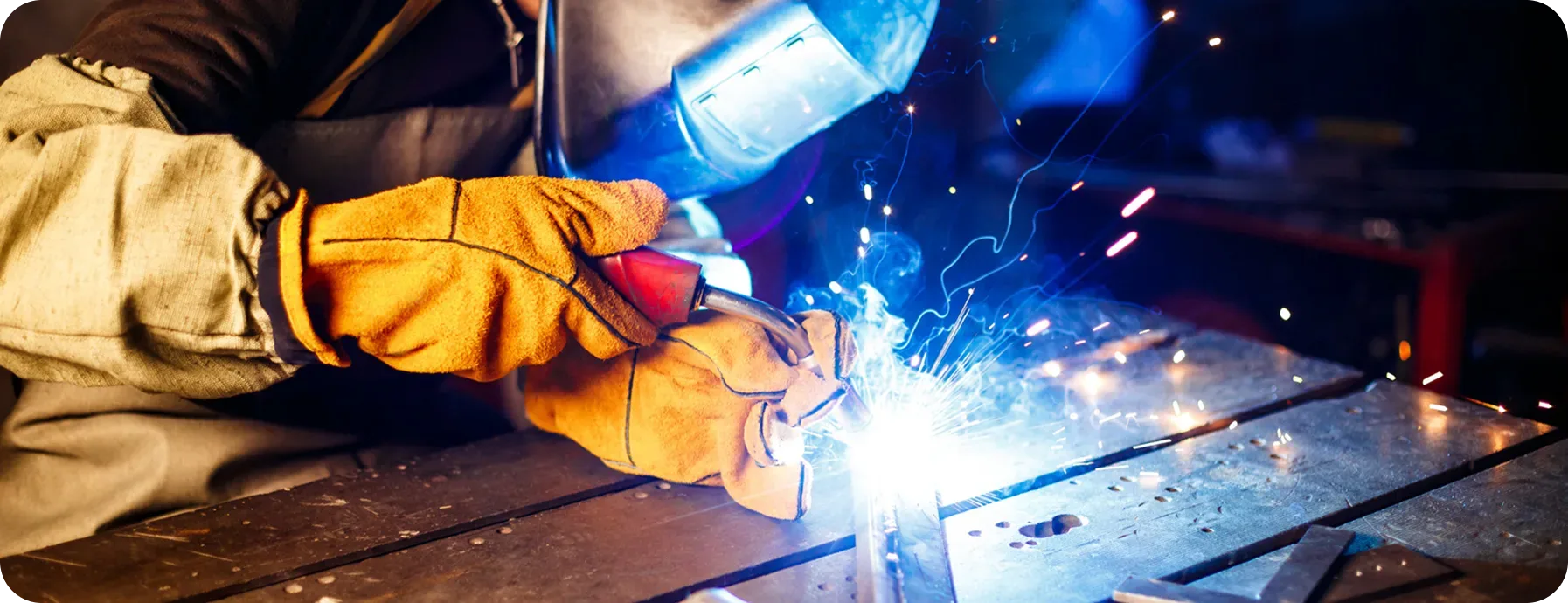
In a rapidly evolving industrial landscape, the pressure to deliver precision components at speed and scale has never been higher. From automotive assemblies to medical devices, companies across sectors are rethinking traditional processes to stay competitive. As manufacturers explore new avenues for efficiency, one area stands out for its transformative potential: OEM Metal Fabrication. Today, we dive into the most influential trends redefining how parts are designed, produced, and delivered.
- Smart Factories and Industry 4.0 Integration
- Digital transformation is no longer optional—it’s a necessity. Smart sensors, IoT connectivity, and real-time analytics are weaving together a cohesive production network. By embedding sensors in presses and welders, manufacturers can track machine health, predict maintenance needs, and minimize downtime. This level of visibility ensures that OEM Fabrication workflows operate with peak performance, reducing waste and slashing lead times.
- Additive Manufacturing Meets High-Volume Production
- Once reserved for prototypes, additive manufacturing has matured into a reliable production tool. Hybrid factories now combine CNC machining with selective laser sintering to produce complex geometries that were previously impossible or prohibitively expensive. This synergy allows for rapid iteration and shorter run lengths without sacrificing quality, giving businesses the flexibility they need to respond swiftly to market demands.
- Advanced Materials and Lightweight Alloys
- The quest for lighter, stronger components is driving experimentation with novel alloys and composites. Titanium‑aluminum blends, high‑strength steels, and specialty aluminum alloys are gaining traction across industries aiming to improve fuel efficiency and reduce carbon footprints. Leveraging these materials delivers performance gains and sustainability benefits that justify the change.
- Automation and Collaborative Robotics
- Robots have come a long way from monotonous spot‑welding arms. Today’s collaborative robots (cobots) work alongside human operators, handling tasks like part loading, deburring, and inspection. Integrating cobots into an OEM Fabrication line can improve ergonomics, reduce repetitive strain injuries, and maintain consistent quality, all while freeing skilled technicians to focus on higher‑value activities.
- Sustainable Practices and Circular Economy
- Environmental stewardship is rising to the forefront of corporate strategy. Manufacturers are adopting closed‑loop systems, recycling scrap metal into new batches and optimizing energy consumption across their shop floors. Sustainable OEM Metal Fabrication isn’t just about green credentials—it also drives cost savings, hedges against material price volatility, and enhances brand reputation.
- AI‑Driven Design Optimization
- Artificial intelligence is reshaping design workflows by optimizing part geometry for strength, weight, and cost simultaneously. Generative design tools analyze use‑case parameters, then propose configurations that balance competing requirements. By feeding these AI‑generated blueprints into traditional OEM Fabrication equipment, companies can unlock performance gains that were previously unattainable through manual design.
- Digital Twin Simulation and Virtual Commissioning
- Creating digital replicas of production lines allows teams to test new configurations virtually, optimize workflows, and train operators in a risk‑free environment. This virtual insight accelerates time to market and reduces trial‑and‑error on the shop floor.
Preparing for Tomorrow
Adopting these innovations requires a structured roadmap. Start by auditing current capabilities, then embrace pilot projects that focus on quick wins—whether that’s installing machine‑monitoring sensors or testing a small batch of additively manufactured parts. Collaborate with specialized partners to bridge skill gaps, and invest in workforce training to cultivate the next generation of hybrid machinists and automation specialists. Assess ROI and workforce readiness before adoption.
Conclusion
The era of one‑size‑fits‑all manufacturing is ending. By embracing the full spectrum of advancements in OEM Metal Fabrication, organizations can streamline production, enhance quality, and respond to shifting market demands with unprecedented agility. Now is the time to evolve—every moment spent refining your processes today translates into a stronger competitive edge tomorrow.