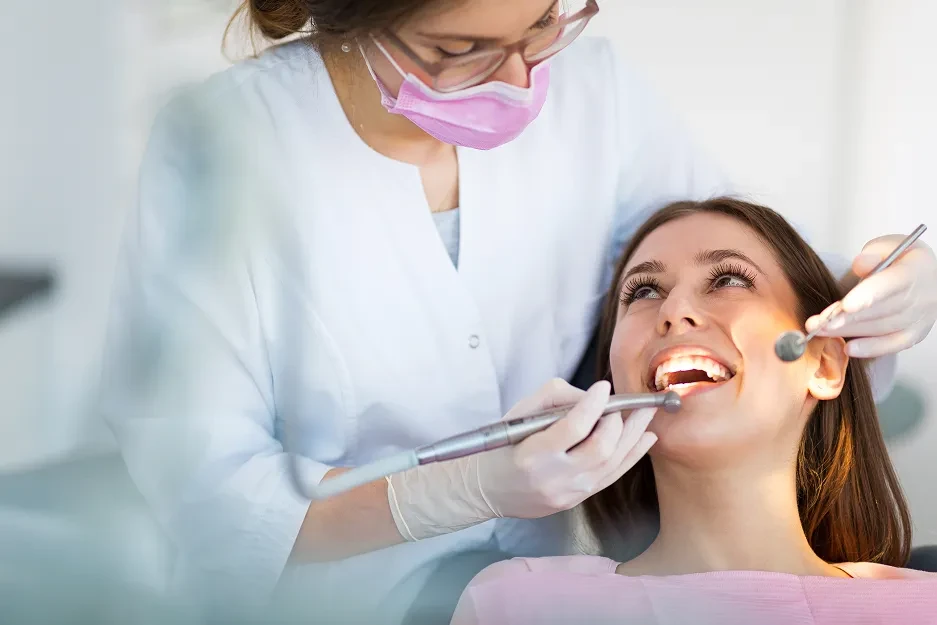
Straightening teeth as an adult is a smart step towards improving appearance, oral health, and confidence. With options like braces and clear aligners, achieving a well-aligned smile is more accessible than ever. However, adult orthodontic treatment often involves longer durations and unique challenges due to factors such as bone density and previous dental work. Emergencies like broken brackets, loose wires, or damaged aligners can occur unexpectedly, causing discomfort and disrupting progress.
Understanding how to respond quickly and effectively is essential for maintaining comfort, preventing complications, and ensuring your orthodontic treatment stays on track for the best possible results.
Why Adults Need Tailored Orthodontic Care
Adult orthodontic treatment differs significantly from that of teenagers. Since adult jaws are fully developed, tooth movement happens more slowly and requires more precision. Additionally, adults often have dental restorations such as crowns, implants, or bridges, which must be factored into the treatment plan.
Some of the challenges adults face during orthodontic care include:
- Slower tooth movement: The denser bone structure in adults makes movement more gradual.
- Pre-existing dental work: Restorations or missing teeth may complicate alignment strategies.
- Increased risk of gum issues: Poor oral hygiene around braces or aligners can cause inflammation or gum recession.
- Lifestyle habits: Stress, smoking, or dietary patterns can affect progress and oral health.
Because of these factors, adults must maintain excellent hygiene, follow appliance care instructions, and be alert to changes that could signal a developing emergency.
Common Orthodontic Emergencies in Adults
Even when following all care guidelines, unexpected issues can arise. Orthodontic emergencies occur when braces, aligners, or retainers cause discomfort, injury, or risk to oral health. While some problems are minor and can wait for your next appointment, others demand prompt attention.
Here are some of the most frequent orthodontic emergencies adults encounter:
A broken bracket or band often causes the bracket to detach from the tooth, which can irritate the mouth and delay tooth movement. A protruding or broken wire may create sharp ends that poke the cheeks or gums, leading to cuts, sores, or bleeding. A lost or damaged aligner can interrupt treatment by creating gaps in tooth movement. Severe pain or swelling usually appears as throbbing discomfort and inflammation, which may indicate a possible infection. In cases of mouth or jaw trauma, bleeding or a broken appliance can occur, putting the teeth at risk of structural damage.
Recognising whether the situation is urgent is key. Mild soreness or loose elastics can often wait, but persistent pain, infection signs, or damaged appliances require immediate professional help.
Step-by-Step Emergency Response Guide
If you encounter an orthodontic issue, acting quickly and safely can prevent further damage. Below are practical steps you can take for common emergencies:
1. Broken or Loose Bracket
A bracket may loosen after eating hard foods or due to accidental pressure.
What to do:
- Reposition the bracket gently using a clean cotton swab.
- Apply orthodontic wax over sharp areas to avoid irritation.
- Contact your orthodontist Rochester to schedule a repair appointment.
Avoid removing the bracket yourself, as this could damage the wire or tooth enamel.
2. Protruding or Broken Wire
A dislodged or snapped wire can rub against your cheek, tongue, or gums, causing discomfort or small cuts.
Immediate steps:
- Use orthodontic wax to cover the sharp edge.
- If possible, gently push the wire back with a clean pencil eraser.
- If the irritation persists or bleeding occurs, contact an emergency dentist in Rochester immediately.
Do not attempt to cut the wire at home unless instructed by a professional.
3. Severe Pain or Swelling
Sudden pain, redness, or swelling may indicate infection, irritation, or trauma.
Relief measures:
- Rinse with warm salt water to soothe the area.
- Apply a cold compress externally to reduce swelling.
- Take mild pain relief if necessary (avoid aspirin on open wounds).
If symptoms do not improve within 24 hours, professional assessment is essential to avoid complications.
4. Lost or Damaged Aligners
Clear aligners are convenient but can easily be lost, cracked, or warped by heat.
Steps to take:
- Wear your previous aligner to prevent regression.
- Contact your orthodontist promptly for a replacement or instructions.
- Always store aligners in a protective case when not in use.
Aligner delays can cause teeth to shift, extending your treatment time.
5. Oral Trauma or Accidents
Falls, sports injuries, or other accidents can dislodge braces, bend wires, or damage teeth.
Immediate response:
- Rinse with warm water to clean the area.
- Apply gauze to stop bleeding.
- Use a cold pack to control swelling.
- Seek immediate care from an emergency dentist in Rochester or your orthodontist to evaluate damage.
Preventive Measures to Avoid Orthodontic Emergencies
Most orthodontic emergencies can be avoided with a little extra care. Prevention not only saves you discomfort but also ensures steady treatment progress.
Practical prevention tips:
- Attend all scheduled appointments – Regular check-ups allow your orthodontist to catch early issues.
- Avoid hard, sticky, or crunchy foods – These can break wires or brackets.
- Use a mouthguard – Especially during sports or physical activities.
- Keep excellent oral hygiene – Brush and floss carefully around braces or aligners.
- Follow appliance care instructions – Handle retainers and aligners gently.
- Prepare a small emergency kit – Keep these essentials handy:
Orthodontic wax is useful for covering sharp edges and preventing irritation, while cotton buds or tweezers can help gently reposition any loose parts of your appliance. A small mirror is helpful for inspecting hard-to-see areas in your mouth, making it easier to understand what’s wrong. Pain relief medication can be used to reduce discomfort until professional help is available. It’s also essential to keep the contact information of your orthodontist and emergency dentist handy so you can reach them quickly whenever needed.
These steps not only prevent emergencies but also help you stay calm and prepared if one occurs.
When to Seek Professional Help
While some discomforts are normal during orthodontic treatment, certain symptoms should never be ignored.
Seek immediate professional help if you experience:
- Intense or persistent pain that does not subside.
- Swelling, bleeding, or signs of infection.
- Detached brackets or bent wires.
- Lost or broken aligners disrupting progress.
- Injuries to teeth, lips, or gums from accidents.
In such cases, your orthodontist Rochester or an emergency dental specialist can assess the damage and restore your treatment safely. Prompt action reduces complications and ensures your smile remains on track.
Conclusion
Orthodontic treatment for adults offers the opportunity to achieve a beautifully aligned and healthy smile, but being prepared for unexpected situations is part of the process. From broken brackets and loose wires to lost aligners and oral injuries, understanding how to act quickly protects both your comfort and progress.
By following preventive care tips, keeping an emergency kit handy, and staying connected with your dental professionals, you can manage challenges with confidence. For those seeking trusted orthodontic and emergency dental support, the skilled professionals in Rochester are always ready to help you maintain your smile’s health and alignment with expert care.