Epileptic seizures can be frightening to witness, but knowing how to respond can make a significant difference in ensuring the safety of the person experiencing the episode. Alongside first aid measures, medications like Gabapentin (sold under brand names Neurontin, Gralise, Horizant) play a crucial role in managing seizures.
This guide covers:
- Understanding Epileptic Seizures
- Emergency Steps During a Seizure
- Gabapentin: Uses, Dosage, and Mechanism
- Brand Names and Formulations (Neurontin, Gralise, Horizant)
- Precautions and Side Effects
Let’s explore each point in detail.
1. Understanding Epileptic Seizures
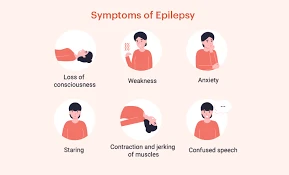
An epileptic seizure occurs due to abnormal electrical activity in the brain, leading to temporary disruptions in movement, behavior, or consciousness. Seizures vary in intensity—some cause brief staring spells, while others lead to full-body convulsions.
Types of Seizures:
- Focal (Partial) Seizures: Affect one part of the brain, causing localized symptoms like twitching or altered emotions.
- Generalized Seizures: Involve the entire brain, leading to loss of consciousness, muscle stiffening (tonic), jerking movements (clonic), or absence seizures (brief lapses in awareness).
- Status Epilepticus: A medical emergency where seizures last longer than 5 minutes or occur repeatedly without recovery.
Common Triggers:
- Missed epilepsy medications
- Sleep deprivation
- Stress or flashing lights (photosensitivity)
- Alcohol or drug withdrawal
- Low blood sugar or electrolyte imbalances
2. Emergency Steps During a Seizure
If someone is having a seizure, follow these steps:
Do’s:
✔ Stay Calm – Most seizures stop on their own within 1-2 minutes.
✔ Protect the Person – Clear nearby objects to prevent injury.
✔ Cushion the Head – Place something soft under their head.
✔ Turn Them on Their Side – Helps prevent choking if vomiting occurs.
✔ Time the Seizure – If it lasts longer than 5 minutes, call emergency services.
Don’ts:
✖ Do Not Restrain the Person – This can cause injuries.
✖ Do Not Put Anything in Their Mouth – They won’t swallow their tongue.
✖ Do Not Offer Food/Drink Immediately – Wait until fully alert.
When to Call 911:
- First-time seizure
- Difficulty breathing or turning blue
- Injury during the seizure
- Seizure in water (risk of drowning)
- Known diabetes or pregnancy
3. Gabapentin: Uses, Dosage, and Mechanism
Gabapentin is an anticonvulsant medication used to treat epilepsy and nerve pain.
Active Ingredient: Gabapentin
- Class: GABA analogue (mimics the inhibitory neurotransmitter GABA)
- Mechanism: Modulates calcium channels in the brain, reducing abnormal electrical activity that causes seizures.
Approved Uses:
✅ Epilepsy (Partial Seizures) – Often used as an add-on therapy.
✅ Neuropathic Pain – Diabetic nerve pain, postherpetic neuralgia (shingles pain).
✅ Restless Legs Syndrome (RLS) – Horizant is specifically approved for RLS.
Dosage Forms & Strengths:
- Gabapentin 100mg, Gabapentin 300mg, Gabapentin 400mg, 600mg, 800mg (Oral Capsules/Tablets)
- Gralise (Extended-Release Gabapentin) – Taken once daily for nerve pain.
- Horizant (Gabapentin Enacarbil) – Extended-release for RLS and nerve pain.
Typical Dosage for Seizures:
- Adults: Start with 300mg at bedtime, gradually increasing to 900-1800mg/day in divided doses.
- Children: Dosage based on weight (usually 10-15mg/kg/day).
How to Take Gabapentin:
- Swallow whole with water.
- Do not crush or chew extended-release tablets.
- Avoid sudden discontinuation (taper off to prevent withdrawal seizures).
4. Brand Names and Formulations (Neurontin, Gralise, Horizant)
Gabapentin is sold under different brand names, each with specific uses:
1. Neurontin (Immediate-Release Gabapentin)
- Used for epilepsy and nerve pain.
- Taken 3 times a day (due to short half-life).
2. Gralise (Extended-Release Gabapentin)
- Designed for once-daily dosing (better for nerve pain).
- Must be taken with food for proper absorption.
3. Horizant (Gabapentin Enacarbil)
- A prodrug is converted into gabapentin in the body.
- Approved for Restless Legs Syndrome (RLS) and nerve pain.
- Taken once or twice daily.
Key Differences:
BrandFormDosing FrequencyPrimary UseNeurontinImmediate-release3x dailyEpilepsy, Nerve PainGraliseExtended-release1x dailyNerve PainHorizantExtended-release (prodrug)1-2x dailyRLS, Nerve Pain
5. Precautions and Side Effects
Common Side Effects:
- Drowsiness, dizziness
- Fatigue, blurred vision
- Swelling in hands/feet
- Weight gain
Serious Side Effects (Seek Medical Help):
- Severe rash (sign of allergic reaction)
- Suicidal thoughts (rare but serious)
- Difficulty breathing or swelling (angioedema)
Drug Interactions:
- Opioids (Morphine, Hydrocodone) – Increases risk of severe drowsiness.
- Alcohol – Enhances dizziness and sedation.
- Antacids – Reduce absorption (take gabapentin 2 hours after antacids).
Who Should Avoid Gabapentin?
- Pregnant women (risk of birth defects)
- People with kidney disease (dose adjustment needed)
- Those with a history of drug abuse (potential for misuse)
Conclusion
Knowing how to respond during an epileptic seizure can save lives. While first aid is critical, medications like Gabapentin (Neurontin, Gralise, Horizant) help prevent seizures by stabilizing abnormal brain activity. Always follow medical advice, monitor side effects, and never stop anticonvulsants abruptly.
If you or a loved one has epilepsy, work closely with a neurologist to optimize treatment and reduce seizure risks. Stay informed, stay safe!