
Water damage doesn't wait for a convenient time. A burst pipe at midnight, a sudden appliance overflow, heavy storm flooding, or a hidden leak discovered too late can flood your home or business in minutes. The real cost isn't just the initial spill—it's what happens if response drags on. Delaying even a few hours turns a manageable issue into thousands in extra repairs, mold remediation, and structural fixes.
Fast, professional 24/7 emergency water damage cleanup changes that equation dramatically. By arriving quickly—often within 1-2 hours—teams extract water, dry structures, and prevent escalation. Industry data shows this rapid action can cut total restoration costs by thousands, sometimes tens of thousands, compared to delayed efforts.
The High Cost of Water Damage in 2025-2026
Water damage remains one of the most frequent and expensive homeowners insurance claims. Recent statistics indicate that water damage and freezing account for about 24-28% of all home insurance claims. The average insurance payout for these claims ranges from around $11,000 to $13,954 per incident, with some sources reporting averages as high as $15,400 or even over $30,000 for severe cases like frozen pipes.
Restoration costs themselves average $3,800 to $3,900 nationally in recent 2025-2026 data, with most homeowners paying between $1,300-$1,400 on the low end and $6,300-$6,400 on the higher end for typical jobs. Minor clean water incidents (like a supply line break) might start at $450-$1,500, while extensive flooding or black water (sewage/flood contamination) can exceed $15,000-$16,000 or more.
These figures climb fast when secondary damage sets in. Per square foot, mitigation ranges from $3.50 for clean water to $7.50 or higher for contaminated sources, but delays multiply expenses through added drying time, material replacement, and mold treatment.
How Delays Escalate Damage and Costs
Water moves quickly and soaks into porous materials like drywall, insulation, carpet, wood flooring, and subfloors. Within hours:
- Structural weakening begins as materials swell and warp.
- Mold growth starts in as little as 24-48 hours under damp conditions, according to EPA and industry guidelines. Spores attach and spread rapidly, becoming visible in days to weeks if moisture lingers.
- Secondary issues emerge: electrical hazards, rust on metal, rot in framing, and airborne contaminants that affect health.
Waiting until the next business day (or longer) allows water to penetrate deeper, requiring more extensive demolition and replacement. Mold remediation alone can add $1,000-$3,500+, while full structural repairs push bills far higher. Untreated cases often lead to claims exceeding $40,000 in severe flooding scenarios.
The Power of Fast 24/7 Response: Real Savings
Professional emergency services operate around the clock with live dispatch and rapid deployment. Here's how speed translates to thousands saved:
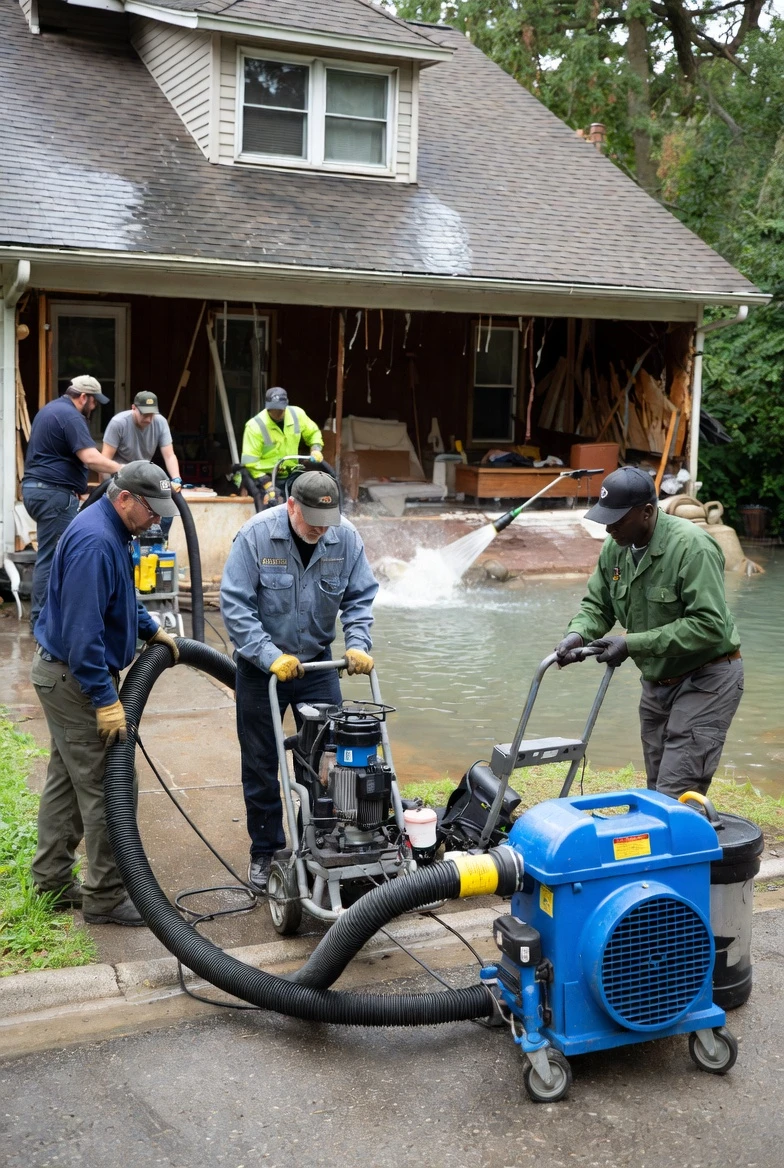
- Immediate extraction removes bulk water using powerful pumps, preventing deep absorption. This alone can limit damage to surface levels rather than full saturation.
- Rapid drying with industrial air movers and dehumidifiers targets hidden moisture, monitored by tools like moisture meters and thermal imaging. Proper drying within the first 24-72 hours often stops mold before it starts.
- Minimized secondary damage means fewer materials need replacement. For example, quick action might save drywall sections instead of full wall removals, or preserve flooring rather than replacing entire rooms.
- Lower overall bills—prompt mitigation frequently keeps jobs in the $2,000-$5,000 range versus escalated costs from delays. Industry insights show fast response can reduce expenses by 60-80% in preventable claims by avoiding mold and extensive reconstruction.
Many providers coordinate directly with insurers, documenting everything for smoother claims and often maximizing coverage under standard policies (which cover sudden events like burst pipes, though not always external flooding without added flood insurance).
The Step-by-Step Emergency Cleanup Process
A reliable 24/7 team follows IICRC standards for efficient, thorough recovery:
- Rapid Arrival & Assessment — Technicians arrive quickly, ensure safety, stop the source, and evaluate extent/category of water.
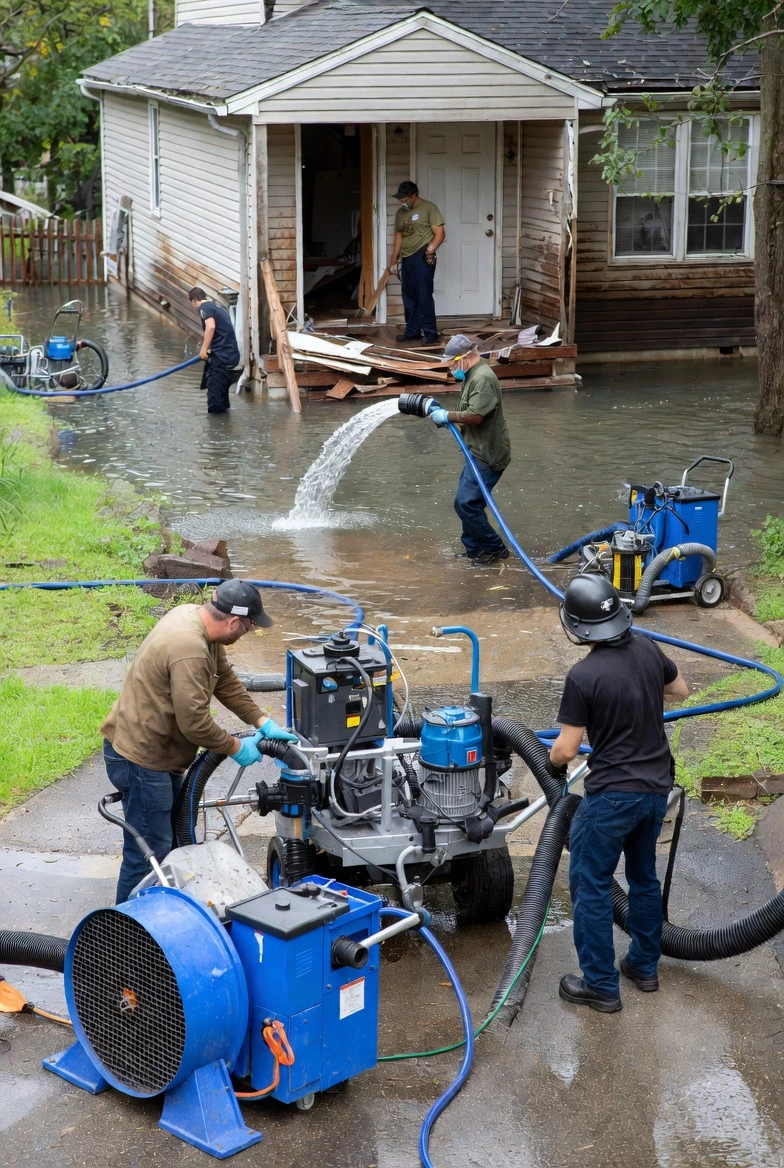
- Water Extraction — High-capacity equipment removes standing water fast.
- Moisture Detection — Tools map hidden saturation.
- Structural Drying — Equipment creates airflow and pulls moisture out over days, with ongoing monitoring.
- Cleaning & Sanitizing — Antimicrobials prevent mold; odors and contaminants are addressed.
- Restoration — Repairs or replacements return the property to pre-loss condition.
This structured approach, started immediately, maximizes salvageable items and structures.
Why Choose a True 24/7 Provider?
Emergencies strike anytime nights, weekends, holidays. Look for IICRC-certified teams with proven local response times, advanced equipment, and strong reviews for communication. Many offer free emergency assessments.
In water damage, time equals money and health. A fast 24/7 response doesn't just clean up water; it prevents escalation, protects your property value, reduces health risks from mold, and saves you thousands compared to waiting.
If water damage hits, act now: Call a trusted emergency 24/7 water cleanup service immediately. The quicker they start, the more you save.
#24/7WaterCleanupService
#EmergencyWaterDamageRestoration
#DryingOutWaterDamage
WaterDamageRestorationCost
#HomeWaterDamageRepair
#WaterDamageRestorationProcess
#CeilingWaterDamageRepair
#WaterDamageRestorationCompany
#MoldRemovalAfterWaterDamage
#CommercialWaterDamageRestoration
#WaterDamageRestorationTips