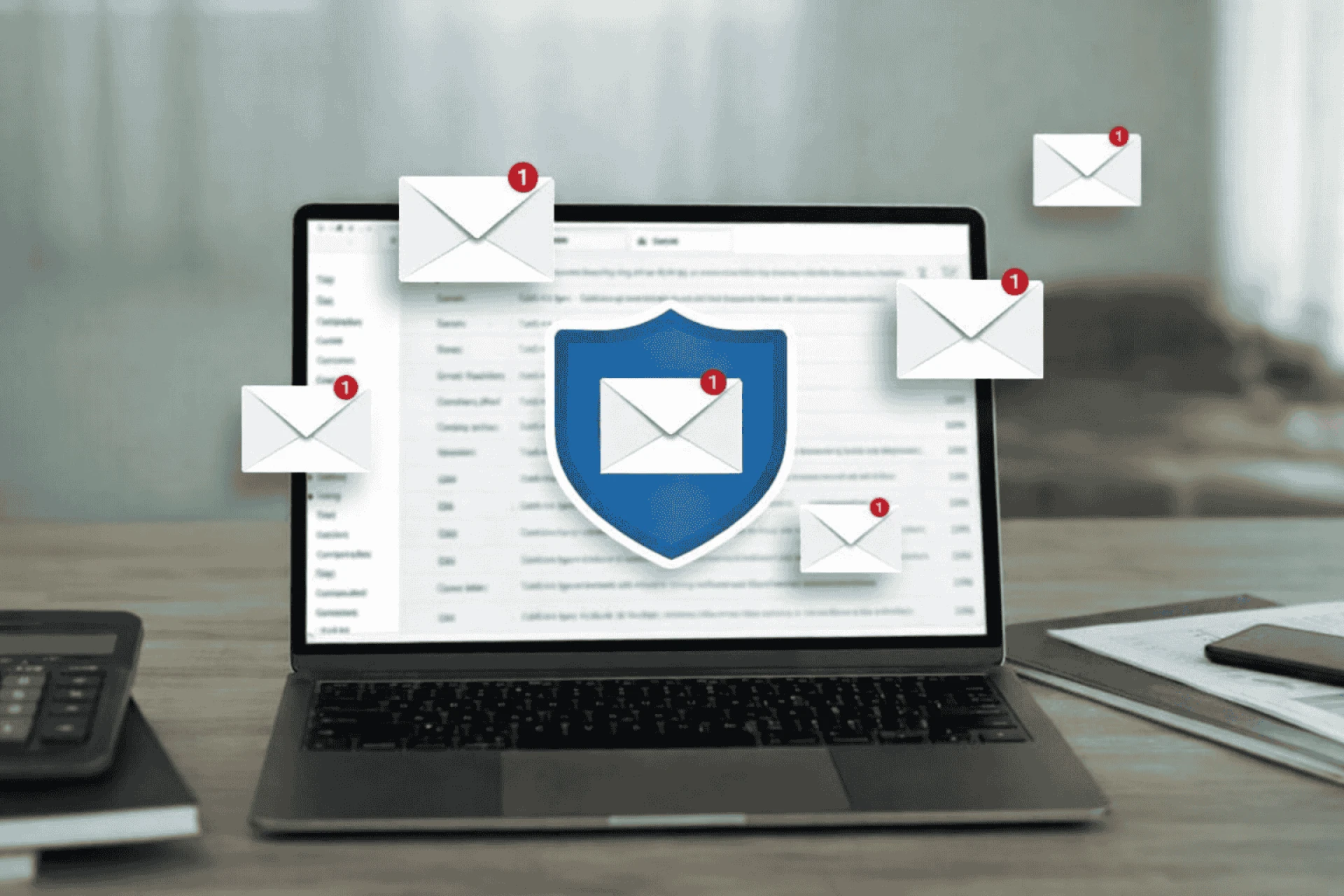
Inbox behavior in 2026 has already begun to look and feel different.
People are scrolling less. They delete faster. They notice patterns immediately.
Entrepreneurs and agencies across the USA are feeling the shift. Paid ads cost more. Social reach feels unstable. Attention feels borrowed, not owned. Yet some businesses still see steady replies, booked calls, and repeat sales coming from one place. Their inbox.
The difference is not volume. It is the intention.
The businesses winning today follow email marketing best practices that respect time, attention, and trust. This article breaks down what is actually working now and how you can apply it in ways that make sense for your business.
Personalization Now Means Timing and Relevance, Not Just Names
Today, personalization feels imperceptible when it is done right. It blends into the message instead of calling attention to itself. Entrepreneurs who use email marketing services in the USA no longer rely on surface-level details like using first names or the company size. They focus on behavior. What people click, how frequently they open, what they overlook, and when they interact. What appears in their inbox next is actually shaped by these very signals.
This shift matters because inbox filters now watch engagement patterns closely. Emails that arrive at the right time get opened more often. Messages that feel out of place slowly stop reaching the inbox.
Research from HubSpot and Campaign Monitor shows that behavior-based emails consistently see higher open and click rates than bulk sends. That gap continues to widen each year.
A simple way to apply this today starts with observing. Segment readers based on actions, not assumptions. Someone who downloaded a guide last week will need a different message than someone who has not opened an email in three months. When emails match the real intent, people respond without feeling pressured or sold to.
Personalization will work in 2026 because it feels considerate, and not just a clever move.
Trust Has Replaced Open Rates as the Real Success Signal
Open rates are still important, but they no longer provide the whole picture. In 2026, trust cues will be more important for inbox placement than innovative or clever subject lines.
Email platforms now track how people engage over time. Their replies, reading time, and steady interaction carry more weight than just quick opens. This change has reshaped how digital marketing emails perform across industries.
Guidelines from Google confirm that sender reputation and engagement history play a big role in where emails land. Trust takes time to build, but it delivers long-term results.
Brands that send too many promotions or create urgency every week lose that trust. Those who focus on clear, useful messages keep them.
A simple and practical way to apply this starts with sending fewer emails and reducing the noise. Many founders are already doing this and now make each email useful by sharing insight, explaining decisions, and offering lessons before asking for action.
When readers feel respected, trust grows. And once trust exists, emails stop chasing attention and start earning it.
Automation Works Best When It Listens First
Automation still plays a major role in email trends 2026, but the way it works has changed. Long, rigid funnels feel outdated. Short responsive flows now take their place.
Pushing readers along a predetermined path is no longer the aim. The objective is to react to their subsequent actions.
Data from Salesforce shows that adaptive automation performs better than static drip campaigns. Emails that adapt to the reader's behavior maintain a consistent level of engagement without being overbearing.
For agencies and solopreneurs, this looks pretty simple in practice. Build sequences that pause when someone stops engaging. Change direction when someone clicks. Skip steps when interest increases.
Automation should enhance your thinking, not take its place. Messages feel timely rather than pushed when systems listen first.
Emails Now Deliver Value Inside the Inbox
In 2026, strong emails do not rely on clicks to prove their worth. They stand on their own.
Many entrepreneurs now treat emails as a space for insight, not just traffic. Short frameworks, clear explanations, and honest lessons live directly inside the message. This shift helps digital marketing emails perform even when clicks drop.
Research from Litmus shows that longer value-focused emails often see higher read time and replies. Readers stay when the content respects their attention.
Agencies use this approach to share small case stories. Founders explain the decisions they made last quarter. Consultants break down mistakes they see often. These emails feel personal because they offer clarity, not hype.
When emails deliver something useful on their own, readers stay subscribed longer, and trust grows naturally.
Segmentation Has Shifted Toward Intent and Readiness
Lists are important, but it is more important how you split them. In 2026, preparedness will take precedence over labels in segmentation.
Businesses using email marketing services in the USA now group readers by engagement patterns. Active readers receive deeper insight. Quiet readers receive re-engagement messages. New subscribers receive context instead of promotions.
Studies referenced by McKinsey highlight how intent-based communication improves conversion quality, not just volume.
Applying this approach starts with simple tracking. Notice who reads consistently. Notice who clicks selectively. Notice who disappears. Each group needs a different tone and goal.
When segmentation reflects intent, emails stop feeling repetitive and start feeling relevant.
Actionable Takeaways You Can Use Right Away
- Send fewer emails but make each one worth opening.
- Segment based on actions, not assumptions.
- Let automation respond instead of pushing.
- Write emails that offer clarity, not urgency.
- Measure trust through engagement, not vanity metrics.
The Inbox in 2026 Rewards Respect
Email marketing has not become louder in 2026. It has become calmer. More thoughtful and more honest.
The brands that see consistent results treat the inbox as a means to build relationships, not a mere channel. They follow email marketing best practices that focus on relevance, trust, and timing. They adapt to email trends 2026 without chasing every new idea.
For entrepreneurs and agencies, the question is no longer how often you should email. The real question asks something simpler.
Does this message earn the space it takes?
When the answer stays yes, email remains one of the most reliable growth tools available.