
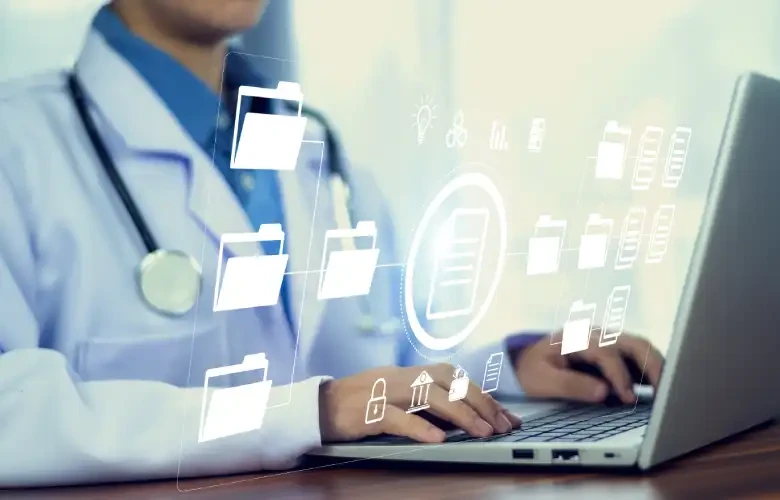
Healthcare is being reshaped not by a single breakthrough, but by systems that quietly improve how care is delivered every day. Among the most influential of these systems are Electronic Health Records (EHRs). They have transformed patient data from static paperwork into a living digital resource—one that supports clinical accuracy, operational efficiency, and long-term care coordination. In today’s healthcare environment, EHRs are no longer optional; they are fundamental.
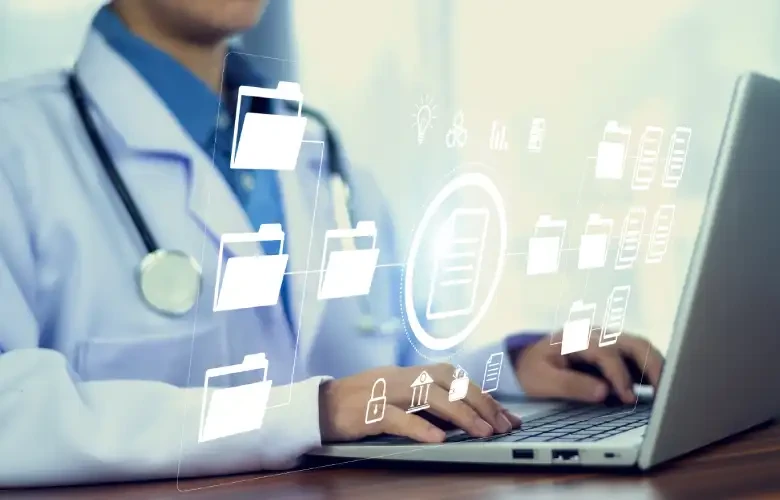
The Shift From Records to Relationships
Traditional medical records were designed for storage, not collaboration. Paper charts captured information, but they did little to support communication between providers or continuity across care settings. As healthcare became more complex, this limitation became increasingly problematic.
EHRs changed the purpose of health records entirely. Instead of simply documenting past care, they actively support current decisions and future planning. By making patient information accessible and shareable, EHRs strengthen relationships between providers, care teams, and patients themselves.
What Sets EHRs Apart From Older Systems
EHRs are often confused with basic digital recordkeeping, but their capabilities go far beyond digitized paperwork.
A Single Source of Clinical Truth
EHRs consolidate patient demographics, medical histories, diagnoses, medications, allergies, immunizations, lab results, imaging, and care plans into one unified system. This eliminates fragmented information and ensures consistency across providers.
Real-Time Documentation
Clinical notes are entered and updated in real time, reflecting the most current patient status. This immediacy improves accuracy and ensures that decisions are based on the latest information.
Integrated Orders and Results
Prescriptions, lab tests, and imaging orders are managed electronically. Results flow directly back into the patient record, reducing delays and minimizing manual errors.
Built-In Clinical Guidance
EHRs include decision support features that flag potential risks, such as drug interactions or abnormal results. These tools act as safeguards, supporting clinicians without replacing their judgment.
Improving Day-to-Day Clinical Decisions
Healthcare decisions often need to be made quickly, and incomplete information can lead to mistakes. EHRs ensure that clinicians have instant access to a patient’s full medical history at the point of care.
This comprehensive visibility reduces unnecessary testing, supports accurate diagnoses, and helps providers choose treatments that align with a patient’s unique history. Over time, these improvements lead to safer care and more consistent outcomes.
Supporting Team-Based Care
Modern healthcare is rarely delivered by a single provider. Patients move between primary care, specialists, hospitals, labs, and community services. Without shared information, coordination becomes difficult.
EHRs enable true team-based care by acting as a shared digital workspace. Authorized providers can view updates, contribute notes, and align on care plans. This shared visibility reduces miscommunication and ensures smoother transitions between care settings.
A Better Experience for Patients
While EHRs are primarily clinical systems, their impact on patients is significant. Fewer repeated questions, faster access to test results, and more coordinated visits all improve the care experience.
Many EHR platforms also include patient portals that allow individuals to view their health information, manage appointments, and communicate with providers. This access encourages transparency and helps patients feel more involved in their own care.
Reducing Administrative Burden
Administrative tasks consume a large portion of healthcare resources. EHRs help ease this burden by integrating clinical and administrative workflows.
Scheduling, billing, coding, and reporting are connected directly to clinical documentation. This reduces duplicate data entry, lowers error rates, and speeds up reimbursement processes. The result is a more efficient system that allows staff to focus on patient care rather than paperwork.
Data Security and Patient Trust
As healthcare becomes increasingly digital, protecting patient data is critical. EHR systems are built with strong security frameworks, including encryption, role-based access controls, audit trails, and authentication measures.
These protections ensure that sensitive information remains confidential while still being accessible to authorized users. Strong data security not only meets regulatory requirements but also builds trust between patients and healthcare organizations.
Using EHRs for Population Health Management
EHRs provide value beyond individual patient visits. By analyzing aggregated data, healthcare organizations can identify trends, monitor chronic conditions, and uncover gaps in care across populations.
This insight supports preventive initiatives, early intervention programs, and targeted outreach efforts. As healthcare shifts toward value-based care models, EHR data becomes essential for measuring quality and improving outcomes at scale.
Challenges That Come With Progress
EHR adoption is not without challenges. Implementation requires investment, training, and workflow adjustments. Resistance to change and usability concerns are common, especially during early stages.
However, these challenges are part of any meaningful transformation. Organizations that approach EHR adoption with clear goals, strong leadership, and ongoing optimization tend to see long-term benefits that far outweigh initial difficulties.
The Future Direction of EHR Technology
EHRs continue to evolve alongside advances in technology. Artificial intelligence and automation are beginning to reduce documentation time, surface clinical insights, and identify risks earlier.
Integration with telehealth platforms, wearable devices, and remote monitoring tools is expanding the role of EHRs beyond traditional clinical settings. This evolution supports continuous, personalized, and proactive care.
Understanding the Foundation of Digital Healthcare
To truly understand how modern healthcare operates, it is important to explore What is EHR beyond a basic definition. EHRs are not just digital files—they are systems that connect people, data, and decisions. As healthcare continues to change, EHRs will remain central to building safer, more efficient, and more patient-focused care environments.