
Learn how an electronic glass shelf elevator works, where it fits, key specs, safety features, and how to choose the right cabinet setup.
If your kitchen has tall cabinets, you know the problem: the best storage is often the hardest to reach. You either stretch, use a stool, or keep daily items on the counter and accept the clutter. An electronic glass shelf elevator solves this by bringing the shelf down to you, then lifting it back up smoothly when you are done. It is a motorized vertical storage system designed to make upper-cabinet storage usable, not just “available.”
Electronic glass shelf elevator meaning and where it fits
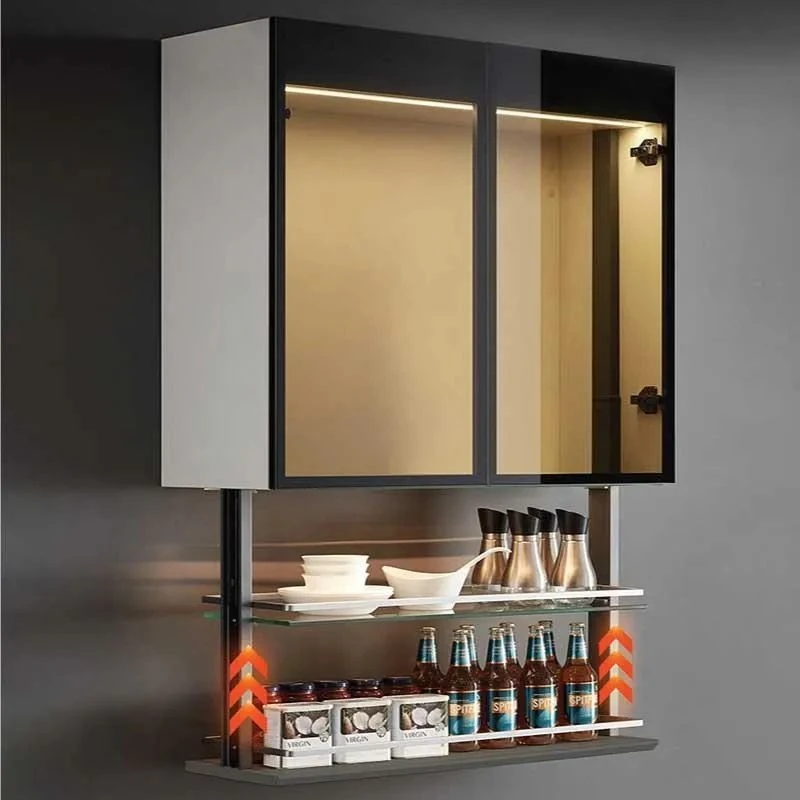
An electronic glass shelf elevator is a ready-to-install cabinet unit with glass shelves that move up and down using a motorized mechanism. Instead of you reaching into a high cabinet, the shelves travel down into a comfortable working height. On the Ozone product spec, this unit is designed for kitchen use, with a vertical storage layout that improves access and space use.
Where it fits best is simple: tall wall cabinets where you want to store items you use often but do not want on the counter. Think crockery, snack jars, tea and coffee supplies, or serving bowls. Because the motion is controlled and consistent, you get a “display + access” feel inside a closed cabinet, without needing open shelving. Ozone also positions it as a premium, modern storage upgrade for kitchens.
Electronic glass shelf elevator key specs you should know before buying
Before you plan cabinetry around it, focus on measurable details. On the Ozone listing for the electronic glass shelf elevator, the key specifications include: dimensions 900 × 330 × 700 mm (W × D × H), 2 shelves, and load capacity up to 20 kg.
Power and motion details matter because they tell you how the unit behaves day to day. The same spec lists power input 100–240V AC, 50/60Hz, output 12V DC, and maximum power 48W. Movement is designed to be practical, not slow: ascend time 11–12 seconds, descend time 8–10 seconds, with a lifting range of 0–480 mm.
In real kitchen terms, this means your electronic glass shelf elevator is built for a typical home power setup, brings shelves down by nearly half a meter, and is meant to carry the weight of stacked daily-use items (within the rated load). Always plan storage based on the maximum load, not “what you think it can take,” because that is where reliability stays high.
Electronic glass shelf elevator features that matter in daily use
Most people buy this for one reason: easy reach. But the “feel” of the system comes from features that reduce friction. Ozone describes a gentle push on the bottom panel that triggers motion, plus a sensor that activates LED lighting during operation.
Safety and smoothness are not optional in moving cabinet hardware. This electronic glass shelf elevator is described as having a quiet operation and an anti-collision feature that stops movement when it detects an obstruction.
That anti-collision detail is especially important if you store glassware or if kids are around the kitchen. It is also useful in tight spaces where a cabinet door edge, a jar lid, or a wrongly placed plate could otherwise get hit during travel.
Electronic glass shelf elevator benefits for small kitchens and tall cabinets
The clearest benefit is counter space. When you can store more in upper cabinets and still access it easily, you stop “parking” appliances and jars on the slab. Ozone explicitly positions the unit as a space optimization solution that helps keep countertops clear.
A second benefit is safer daily movement. Many kitchen injuries happen in boring ways: awkward reaching, holding weight above shoulder height, stepping on stools, or twisting while carrying crockery. With an electronic glass shelf elevator, the shelf comes to your natural working zone, so you lift items in front of you instead of overhead.
A third benefit is better organization. Because the system has defined shelf spaces, you naturally assign zones: serving items on one shelf, daily items on the other. That structure reduces the “everything shoved to the back” problem that tall cabinets create.
Electronic glass shelf elevator selection checklist
Use this quick checklist to avoid planning mistakes with an electronic glass shelf elevator:
- Cabinet fit: Match cabinet internal space to the unit’s 900 × 330 × 700 mm size requirement.
- Load planning: Keep total stored weight within 20 kg. Heavier stacking reduces performance and safety.
- Power readiness: Ensure a clean power provision because the unit uses 100–240V AC input with 12V DC output.
- Use-case match: Store frequent-use items you want off the counter, not rarely used “deep storage” items.
Frequently Asked Questions
What is an electronic glass shelf elevator used for?
An electronic glass shelf elevator is used to bring upper-cabinet shelves down to an easy reach height, then lift them back up. It improves access and helps keep countertops clear by using cabinet space more effectively.
How much weight can an electronic glass shelf elevator hold?
On the Ozone product specification, the load carrying capacity is listed as up to 20 kg. Staying within this limit helps the unit operate smoothly and safely.
How does an electronic glass shelf elevator work?
It uses a motorized lifting mechanism to raise and lower the shelves. Ozone describes activation through a gentle push on the bottom panel, with smooth up-and-down motion as part of normal operation.
Is an electronic glass shelf elevator safe for glass items?
The unit is designed for smooth, quiet movement and includes an anti-collision feature that can stop motion if it detects an obstruction. That reduces the risk of sudden impact during travel.
What cabinet size is needed for an electronic glass shelf elevator?
The listed unit size is 900 × 330 × 700 mm (W × D × H), so your cabinet needs to be planned to accommodate those dimensions internally. Always confirm internal clearances during kitchen design.
Does an electronic glass shelf elevator need special power?
The Ozone specification lists 100–240V AC, 50/60Hz power input with 12V DC output and 48W max power. That means it is designed to work with standard mains supply, but it still needs proper electrical planning.