Charging Ahead: A 2026 Snapshot of the EV Surge
Imagine a bustling city street in mid-2026: silent, sleek electric vehicles (EVs) glide past, their drivers oblivious to the revolution underfoot. This revolution is not just about technology; it’s a profound reshaping of energy consumption, infrastructure demands, and sustainability goals worldwide. The global EV market has exploded, with sales surpassing 15 million units in 2025 alone, according to industry estimates, marking a threefold increase from just five years prior. Governments from Europe to Asia have enacted aggressive policies favoring electric mobility, including stringent emissions targets and generous subsidies. Yet, beneath this booming market lurks a pressing concern: the electrical grid, the backbone of EV charging, is straining under unprecedented demand.
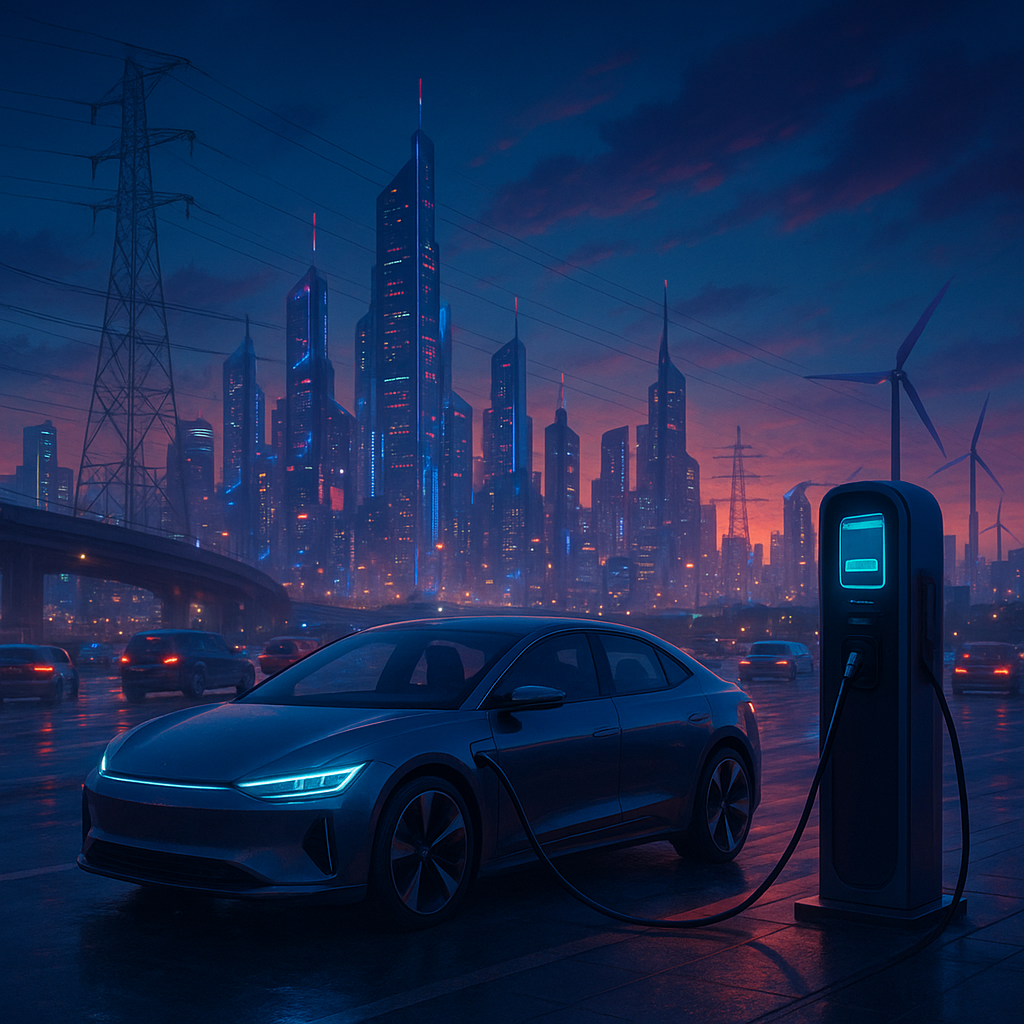
Urban centers in countries like Germany, China, and the United States have reported localized blackouts and overloads during peak charging hours, highlighting the grid’s vulnerability. As EVs replace internal combustion engines globally, the need for robust grid modernization has never been more urgent. This tension between rapid EV adoption and grid readiness sets the stage for a complex sustainability challenge, where progress in one domain risks undermining gains in another.
“The rapid growth of electric vehicles is outpacing infrastructure upgrades, creating bottlenecks that threaten both reliability and environmental goals,” notes Dr. Helena Schmidt, an energy systems analyst.
Tracing the Path: How Electric Vehicles Reached This Inflection Point
The journey to today’s EV landscape began decades ago, but only recently did it gather unstoppable momentum. Early electric cars, such as the GM EV1 in the late 1990s, were niche experiments met with limited consumer enthusiasm and infrastructure support. The 2010s marked a turning point, fueled by breakthroughs in lithium-ion battery technology, dramatically improving vehicle range and affordability. Tesla’s rise catalyzed public interest, while legacy automakers pivoted strategically to electrify their fleets.
Government policies accelerated this shift. China’s New Energy Vehicle program, launched in 2012, became the world’s largest EV market by volume by 2019. Europe’s Green Deal and the U.S. Inflation Reduction Act of 2022 introduced sweeping incentives for EV adoption and infrastructure investment. By 2024, EVs accounted for nearly 20% of new car sales globally, with projections placing this figure near 40% by 2030.
Despite these advances, the infrastructure story lagged. Charging stations, particularly fast chargers, remained unevenly distributed. Grid modernization efforts, complex and capital intensive, struggled to keep pace. This mismatch between vehicle proliferation and grid readiness is rooted in technical challenges and regulatory inertia.
“We underestimated the scale and speed of EV adoption, and our grids were built for yesterday’s consumption patterns, not tomorrow’s,” explains Prof. Rajiv Patel, an expert in sustainable energy systems.
Under the Hood: Analyzing the Grid’s Strain and Sustainability Impact
The core of the issue lies in electricity demand patterns. EV charging, especially fast charging, requires massive power draws over short periods. Utilities report that a single fast charger can demand as much power as 20 typical households simultaneously. This surge, if uncoordinated, can overload transformers and distribution lines, resulting in outages or costly equipment failures.
Data from several metropolitan utilities reveal that peak charging hours coincide with existing evening residential peaks, compounding stress. Moreover, current grid infrastructure in many regions lacks the advanced monitoring and control systems necessary for dynamic load management. Investments in smart grids, energy storage, and demand response programs remain insufficient.
On the sustainability front, the benefits of EVs depend heavily on the electricity source. A 2025 report by the International Energy Agency highlights that EVs running on grids dominated by coal or natural gas may only marginally reduce lifecycle emissions compared to efficient internal combustion engines. Conversely, grids with high renewable penetration, such as in Scandinavia or parts of California, unlock the full potential of EVs to cut greenhouse gas emissions.
- Peak Load Increase: Utilities in California report a 25% increase in evening peak demand due to EV charging.
- Transformer Stress: Some urban substations face overloads, with failure rates rising by 12% in the past two years.
- Renewable Integration: Only 35% of global EV charging currently occurs on grids with renewable shares exceeding 50%.
- Grid Modernization Investment: Global spending on grid upgrades is projected to reach $300 billion by 2030, still below required levels.
This complex interplay of consumption, infrastructure, and energy mix shapes the sustainability narrative of electric vehicles beyond their zero tailpipe emissions.
2026 Developments: Innovations and Policy Shifts Addressing the Grid Challenge
In response to these challenges, 2026 has seen a flurry of innovations and policy actions. Utilities are deploying advanced smart grid technologies that enable two-way communication and real-time load balancing. Vehicle-to-grid (V2G) technology, which allows EVs to feed stored energy back into the grid during peak times, is gaining traction, with pilot projects expanding across Europe and North America.
Regulatory frameworks are evolving to incentivize off-peak charging through dynamic pricing, encouraging consumers to shift their charging habits. Governments are increasing funding for fast charger deployment in underserved areas, aiming to reduce urban bottlenecks and range anxiety simultaneously.
Leading automakers have collaborated to standardize charging protocols, improving interoperability and user experience. Battery advancements continue, with solid-state batteries promising higher densities and faster charging times, potentially reducing grid load per charge cycle.
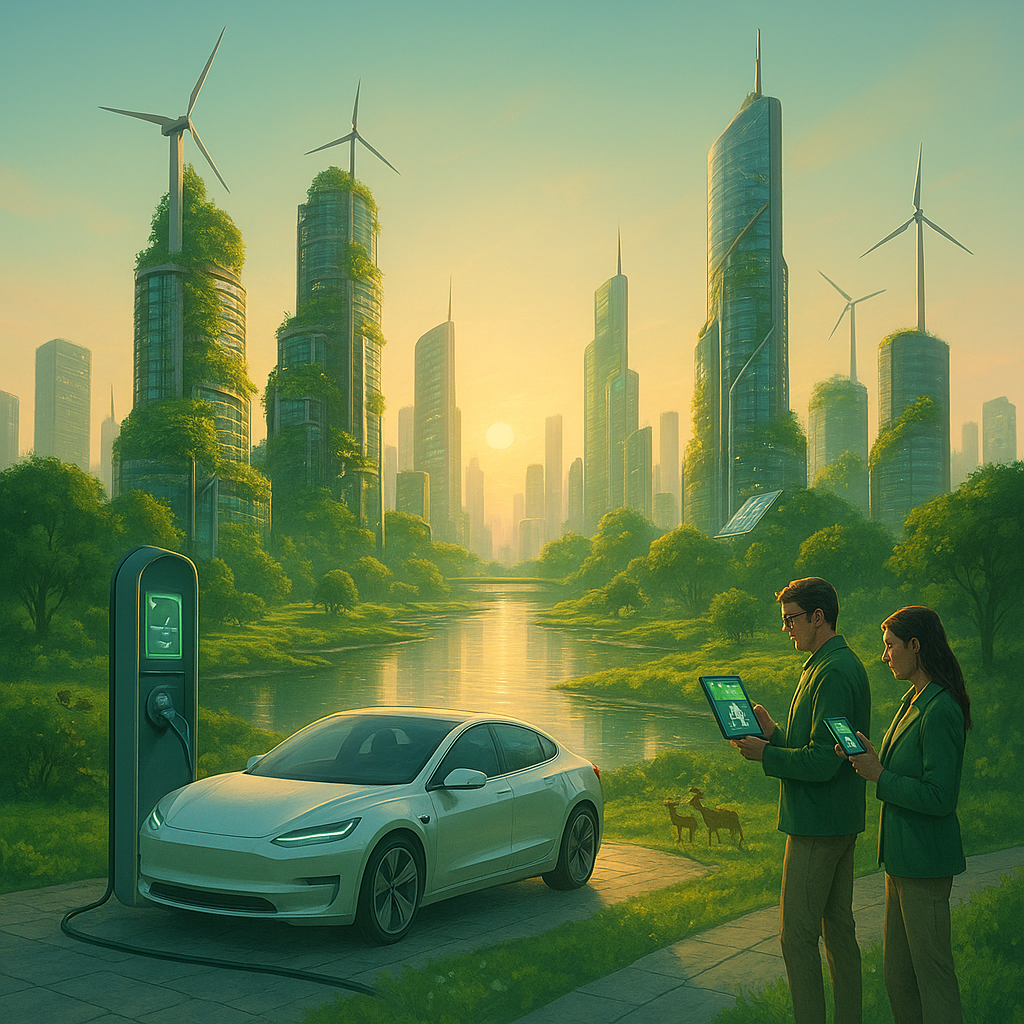
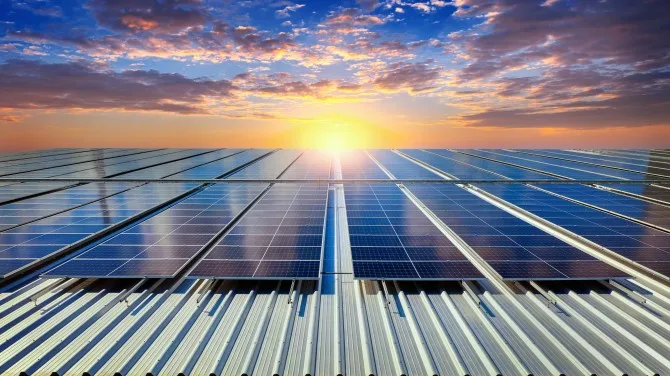
Moreover, integration of distributed energy resources (DERs) such as rooftop solar and community energy storage is reshaping local grid dynamics. Cities like Amsterdam and San Francisco are pioneering microgrid projects that combine EV charging with renewable generation and storage, enhancing resilience and sustainability.
- Smart Grid Deployments: Over 50 major utilities worldwide have adopted AI-driven load management systems in 2026.
- V2G Expansion: The number of V2G-enabled EVs has doubled since 2024, now representing 5% of the global EV fleet.
- Policy Incentives: 30 countries have introduced time-of-use tariffs specifically targeting EV charging.
- Battery Breakthroughs: Solid-state battery commercial models expected by late 2026 promise 40% faster charging.
These developments underscore a multi-faceted approach to overcoming grid limitations, blending technology, policy, and consumer behavior.
Voices from the Field: Industry Leaders and Experts Weigh In
The EV surge and grid challenges have sparked vigorous debate among industry stakeholders. Executives from major automakers emphasize the importance of coordinated infrastructure rollout. Tesla’s CTO recently stated, “Vehicle innovation must be matched by grid innovation; otherwise, we risk stalling the transition.”
Energy companies advocate for increased investment in grid modernization and renewable integration. Siemens Energy’s CEO highlighted, “Smart grids and distributed energy resources are the foundation for a sustainable EV future.”
Environmental groups caution against complacency, urging governments to align EV policies with clean energy goals. According to a statement from the Global Climate Alliance, “Electrification alone isn’t enough; decarbonizing the power sector is critical to realize the climate benefits of EVs.”
“Charging infrastructure is not just about convenience but a critical pillar for sustainable urban development,” says Maria Lopez, director of the International Council on Clean Transportation.
Consumer attitudes also influence these dynamics. A recent analysis in Are Consumers Considering Electric Vehicles? A Deep Dive into the 2026 Landscape reveals that while enthusiasm remains high, concerns about charging accessibility and grid reliability temper adoption in some demographics.
“Consumers want to be part of the green transition but need assurance that infrastructure won’t let them down,” explains market analyst Derek Wang.
Looking Forward: Navigating the Road Ahead for EVs and Grids
The trajectory of electric vehicles is firmly upward, but the journey ahead demands strategic foresight. Grid modernization will require unprecedented coordination among utilities, automakers, regulators, and consumers. Key priorities include:
- Scaling Smart Infrastructure: Widespread deployment of smart meters, grid sensors, and AI-driven management to optimize load distribution.
- Enhancing Renewable Integration: Accelerating clean energy generation to ensure EV charging reduces carbon footprints effectively.
- Expanding V2G and Storage: Leveraging EV batteries as distributed energy resources to buffer grid fluctuations.
- Equitable Access: Addressing rural and underserved urban areas to prevent charging deserts and promote inclusive adoption.
- Consumer Engagement: Educating drivers on charging behaviors that align with grid capacity and sustainability goals.
These steps are vital to avoid the pitfalls of infrastructure lagging behind demand. As highlighted in Electric Vehicles Are Booming — But the Grid Isn't Ready, the scale of investment and innovation required is unprecedented but achievable.
Ultimately, the EV revolution is inseparable from the evolution of the electrical grid. Success will be measured not just by the number of electric vehicles sold but by the resilience, sustainability, and intelligence of the systems that power them.