Driving Into the Future: A Surge in Electric Vehicle Adoption
On a busy morning in April 2026, a glance at urban streets reveals a striking transformation: electric vehicles (EVs) now constitute nearly 45% of all new car sales worldwide, a dramatic rise from just 12% in 2020. This surge is powered by sweeping government policies, breakthroughs in battery technology, and shifting consumer attitudes favoring sustainability. Yet, beneath this optimistic ascent lies a complex challenge that threatens to stall progress—the readiness of electrical grids to support this rapid electrification.
Electric vehicles have moved from niche status to mainstream in just over a decade. The International Energy Agency (IEA) reports that global EV stock surpassed 200 million units in 2025, a figure that continues to rise exponentially. This growth is punctuated by landmark developments in 2026, including the launch of ultra-fast charging networks capable of delivering 350 kW and higher, and new battery chemistries promising longer range and faster charging.
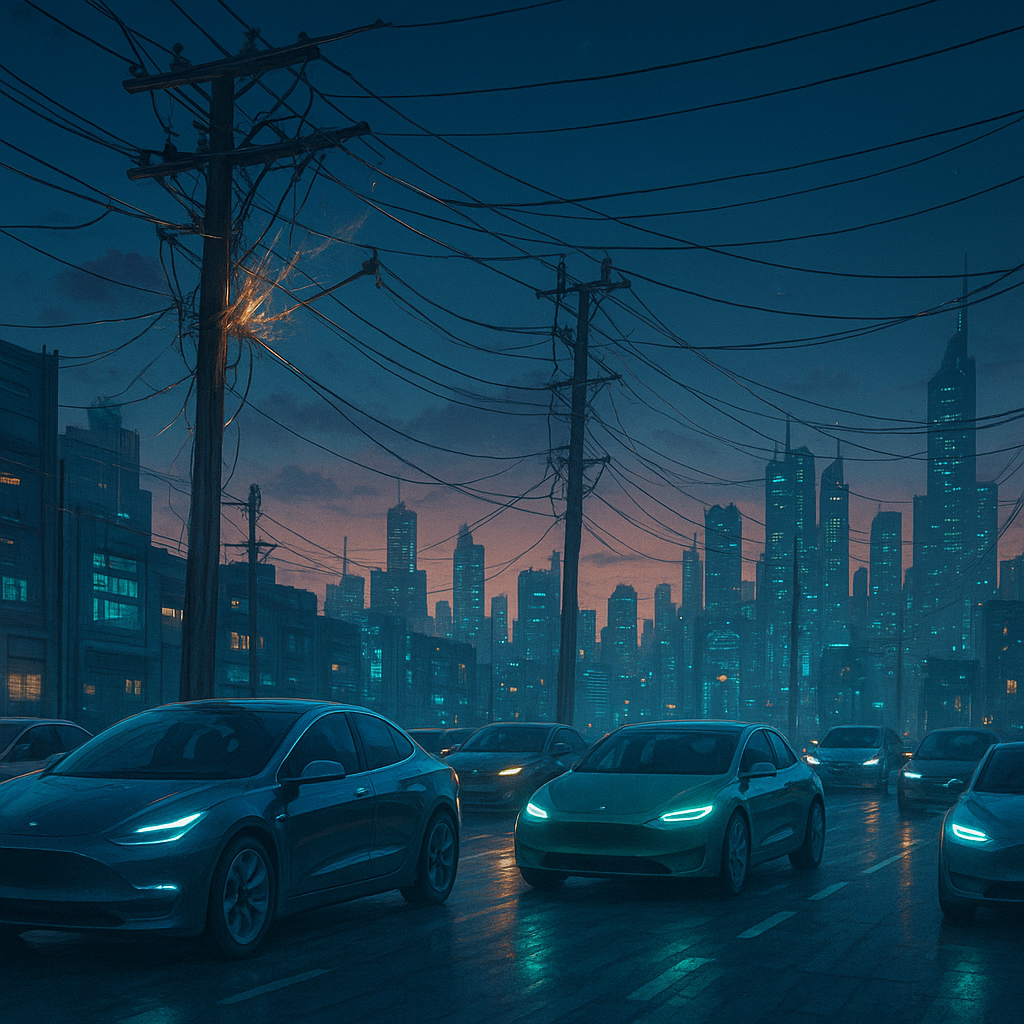
However, the very infrastructure that powers EVs—the electrical grid—is struggling to keep pace. Many regions face grid congestion, inadequate renewable energy integration, and outdated transmission systems, raising questions about the sustainability of this boom. The tension between soaring EV demand and grid capacity is becoming a defining issue for the sustainability movement and energy policy alike.
"The explosive growth of electric vehicles is a triumph for climate goals, but the grid's readiness must catch up to avoid bottlenecks that could reverse these gains," said Dr. Lena Hoffman, energy systems analyst at the Global Sustainable Energy Institute.
Tracing the Path: How Electric Vehicles Reached This Tipping Point
Electric vehicles have been around in various forms since the late 19th century, but their modern renaissance began in the early 2010s. Early adopters like Tesla revolutionized perceptions of EVs, proving that electric cars could be desirable, high-performance, and capable of long-range travel. Government incentives, including tax credits, subsidies, and emissions regulations, accelerated adoption, especially in Europe, China, and North America.
Battery technology was the critical enabler. Lithium-ion batteries improved dramatically in energy density and cost, falling from over $1,200 per kWh in 2010 to under $100 per kWh by 2025, according to BloombergNEF data. This trend made EVs more affordable and competitive with internal combustion engine vehicles. Alongside this, manufacturers expanded model offerings across segments, from compact cars to SUVs and commercial trucks.
Meanwhile, rising urban air pollution and climate change urgency pushed policymakers to phase out fossil fuel vehicles. The 2024 European Green Deal and China's 2025 New Energy Vehicle mandate set firm deadlines for ICE vehicle bans. These policies sparked massive investments in EV production and charging infrastructure.
However, early grid integration was an afterthought. Electricity systems designed for predictable, centralized demand faced new challenges as millions of vehicles plugged in daily, often during peak hours. Initial pilot programs in cities like Oslo and Los Angeles revealed risks of transformer overloads and voltage instability, highlighting the need for smarter grid management.
"EV adoption without grid modernization is like building skyscrapers on unstable foundations," commented Rajesh Patel, chief engineer at GridTech Solutions.
The Grid Dilemma: Infrastructure Strains Amid EV Expansion
As EV adoption accelerated, the strain on electrical infrastructure became increasingly apparent. The U.S. Department of Energy estimates that widespread adoption of EVs could increase residential electricity demand by up to 30% in some regions. Europe and Asia face similar challenges, compounded by aging grids and differing energy mixes.
Key grid issues include:
- Peak Load Increases: EV charging during evening hours coincides with residential peak demand, stressing transformers and distribution lines.
- Renewable Integration Challenges: As grids transition to intermittent sources like solar and wind, managing variable supply alongside variable EV demand complicates balancing.
- Infrastructure Gaps: Rural and underserved areas often lack sufficient charging infrastructure and grid capacity.
- Distribution Network Constraints: Local grid segments are frequently not designed for high EV penetration, leading to voltage fluctuations and reliability concerns.
Utilities are responding with a mix of strategies, including advanced metering, time-of-use pricing, and vehicle-to-grid (V2G) technologies that allow EVs to feed energy back into the grid during peak periods. Yet, significant investments are required to upgrade transformers, substations, and transmission lines.
According to a 2026 report from the International Renewable Energy Agency (IRENA), global spending on grid modernization must triple by 2030 to accommodate electrification goals. Failure to do so risks more frequent blackouts and slower EV adoption due to consumer concerns over charging reliability.
This situation echoes insights from our earlier analysis, Electric Vehicles Are Booming — But the Grid Isn't Ready, which detailed how the grid's limitations could act as a bottleneck for the EV revolution.
Breakthroughs and Innovations Shaping 2026's EV Landscape
The year 2026 marks a pivotal moment as new technologies and policies converge to address these challenges. Battery advancements remain a cornerstone. Solid-state batteries, now commercially available from manufacturers like QuantumAuto and VoltX, offer higher energy density, faster charging, and improved safety compared to traditional lithium-ion cells.
Charging infrastructure is also evolving rapidly. Ultra-fast charging stations capable of replenishing 80% charge in less than 10 minutes are becoming common along highways in Europe, China, and North America. Wireless charging pads embedded in city streets and parking lots are gaining traction, enhancing convenience and encouraging EV adoption in urban environments.
Smart grid technologies integrate real-time data analytics and AI-driven load management to optimize energy distribution. Pilot programs in Singapore and Germany demonstrate that coordinated EV charging can flatten demand peaks by up to 25%, reducing stress on local grids.
Government initiatives are critical. The U.S. Inflation Reduction Act's EV and renewable energy incentives were extended in 2025, fueling industry investment. The European Union's Green Deal emphasized grid resilience and cross-border energy sharing. China doubled its EV infrastructure funding, particularly for rural and less developed provinces.
These efforts are complemented by increasing collaboration between automakers, utilities, and technology providers. Consortiums like the Global EV Grid Alliance foster innovation and standardization for charging protocols, interoperability, and cybersecurity.
"2026 is the year the ecosystem around electric vehicles matures—charging from a novelty to an integrated utility service," remarked Sophie Nguyen, CTO of ChargeNet International.
Expert Perspectives: Industry Voices on Opportunities and Obstacles
Voices across sectors emphasize a nuanced outlook. Automotive executives highlight the challenge of balancing cost, performance, and sustainability. "Battery sourcing remains a key concern," noted Marco Silva, CEO of Electra Motors, referring to critical minerals supply chains strained by surging demand.
Energy experts stress the importance of grid flexibility and consumer engagement. "Smart charging and V2G are transformative but require regulatory frameworks that incentivize participation," said Dr. Hoffman. Utilities advocate for public-private partnerships to finance infrastructure upgrades, warning that without coordinated efforts, disparities in access and reliability will widen.
Environmental advocates point to lifecycle emissions and recycling challenges. While EVs reduce tailpipe emissions, battery production and disposal have environmental impacts that must be mitigated through circular economy approaches.
Academics call for integrated planning that considers transportation, energy, and urban development holistically. "EVs are part of a broader sustainability transition that includes mass transit, energy efficiency, and behavioral change," said Prof. Elena Martinez of the Institute for Sustainable Futures.
These perspectives underscore the complex interplay of technology, policy, and social factors shaping the EV future.
Looking Ahead: What to Watch in the EV and Energy Sectors
As we look toward the late 2020s, several trends will define the trajectory of electric vehicles and their energy ecosystem:
- Grid Modernization Acceleration: Investments in smart grids, energy storage, and transmission will be critical to support millions of EVs.
- Battery Innovation and Supply Chains: Advances in solid-state and alternative chemistries, along with sustainable mineral sourcing and recycling, will shape cost and environmental impact.
- Policy Evolution: Governments will refine incentives, emissions standards, and utility regulations to balance growth and grid stability.
- Consumer Behavior Shift: Adoption patterns will be influenced by charging convenience, vehicle cost, and awareness of environmental benefits.
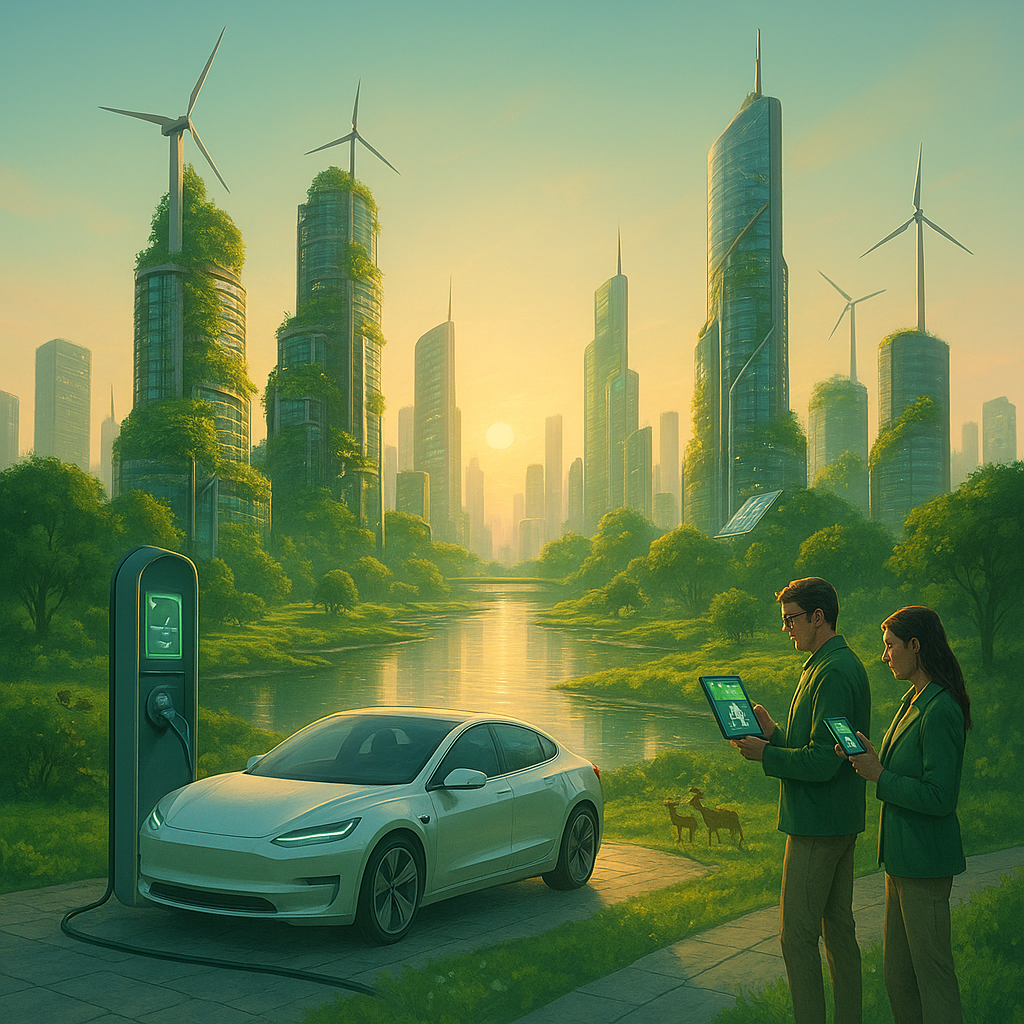
- Integration with Renewable Energy: Aligning EV charging with solar and wind generation will optimize decarbonization.
Monitoring these developments is essential for stakeholders across the automotive, energy, and sustainability sectors. TheOmniBuzz's coverage, including How the Iran Conflict Accelerated the Electric Vehicle Revolution, explores geopolitical factors influencing resource availability and market dynamics.
"The future of electric vehicles hinges not just on technology but on systemic transformation of energy and transportation sectors," Prof. Martinez emphasized.
Ultimately, the electric vehicle revolution represents a monumental step toward sustainable mobility, but its success depends on overcoming infrastructural, technological, and societal hurdles. The coming years will test the resilience and adaptability of industries and governments committed to this vision.