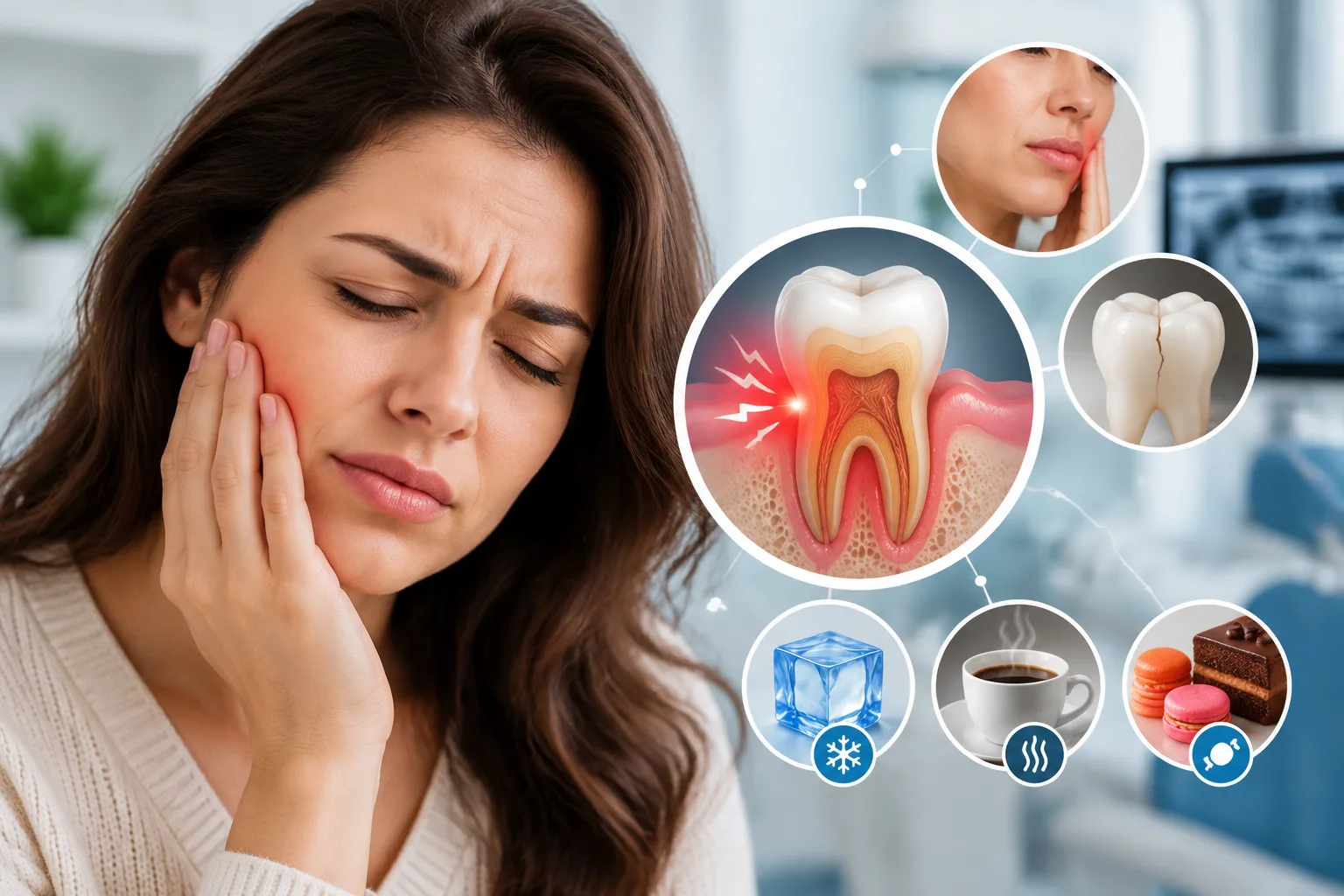
Most of us were taught to brush our teeth the same way as children — a manual toothbrush, a circular motion, and roughly two minutes of effort that often shrinks to thirty seconds when we are in a hurry. Decades later, many adults are still brushing exactly the same way, often with the same inconsistent results: plaque buildup, bleeding gums, and the occasional unpleasant surprise at the dentist's chair. This is exactly why the electric toothbrush has quietly become one of the most recommended upgrades in modern oral care — and why finding the best electric toothbrush for your needs can genuinely transform your dental health.
This guide breaks down everything you need to know about electric toothbrushes — how they work, why dentists increasingly recommend them, what features actually matter, and how to choose the best electric toothbrush for your specific needs.
What Is an Electric Toothbrush and How Is It Different?
A manual toothbrush relies entirely on your hand movement, pressure, and technique to clean your teeth. An electric toothbrush, on the other hand, uses a small motor to generate rapid vibrations or rotations — doing the bulk of the cleaning work for you. Instead of relying on inconsistent manual strokes, an electric toothbrush delivers thousands of consistent strokes every single minute.
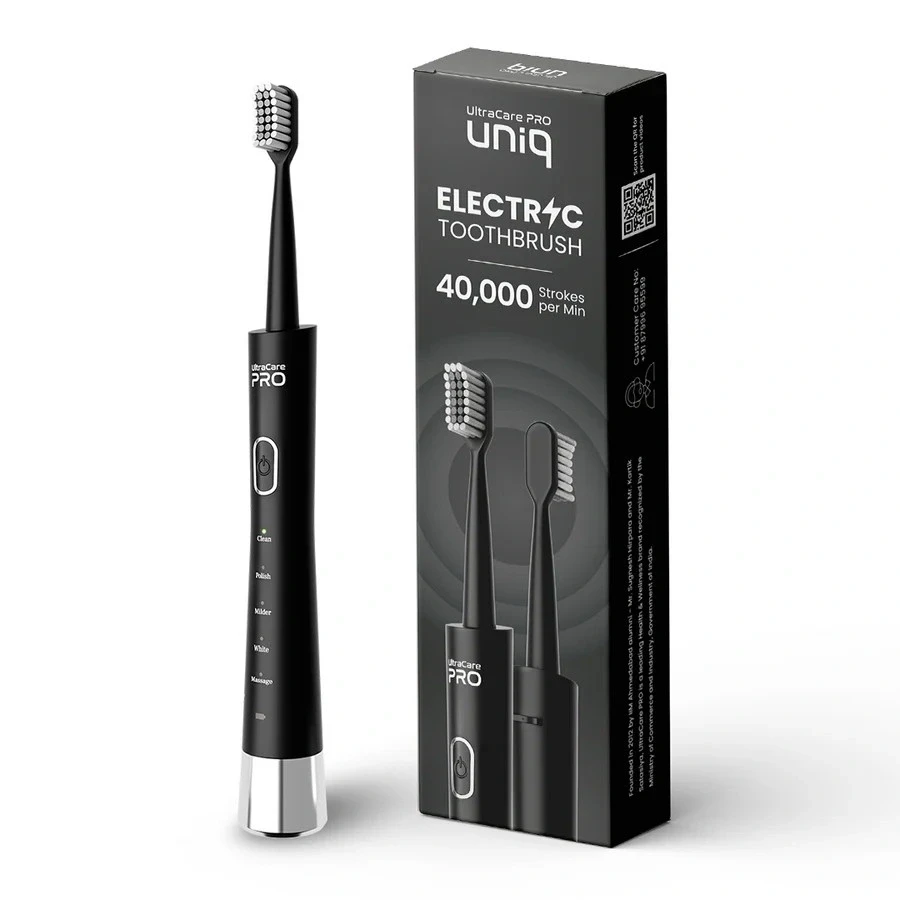
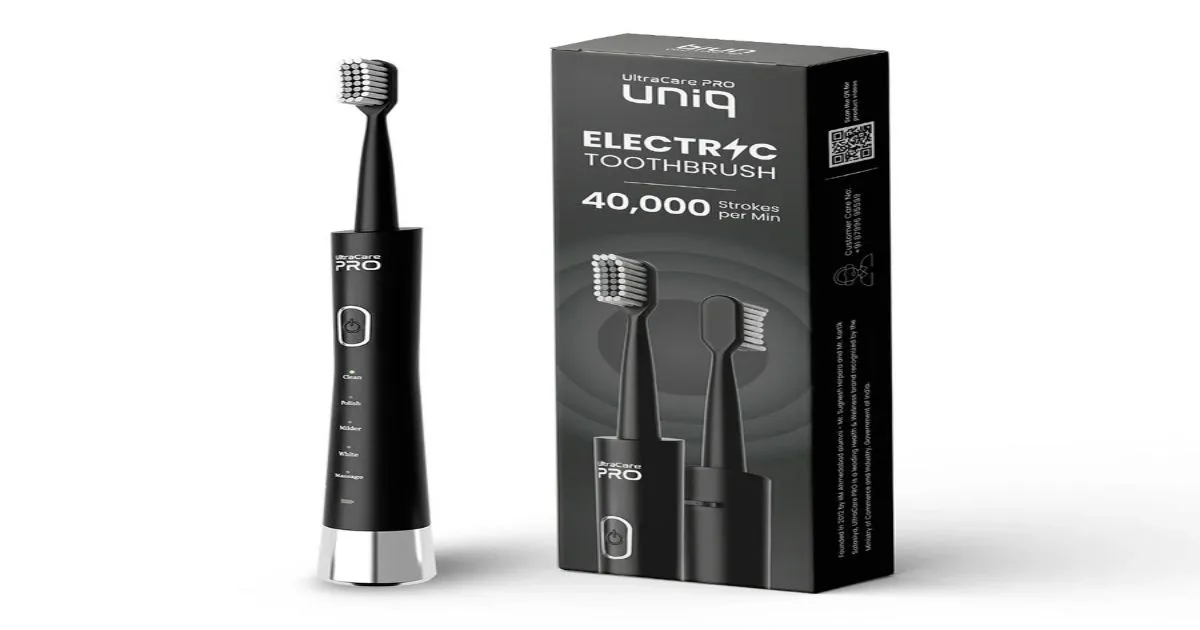
Take the UNIQ Electric Toothbrush by UltraCare PRO as a working example. It uses a high-frequency motor capable of generating up to 40,000 strokes per minute, dramatically more than what any human hand could replicate manually, no matter how dedicated the brusher.
Why Dentists Increasingly Recommend Electric Toothbrushes
Dental professionals have shifted strongly toward recommending electric toothbrushes over the last decade, and the reasoning is fairly straightforward.
1. Consistent, Controlled Pressure
Manual brushing often suffers from one of two extremes — either too little pressure, leaving plaque behind, or too much pressure, which can wear down enamel and irritate gums over time. Electric toothbrushes regulate this far more effectively, especially models with multiple brushing modes that adjust intensity for different needs, from gentle gum care to deep plaque removal.
2. Superior Plaque Removal
The rapid vibrations of an electric toothbrush physically dislodge plaque and debris far more effectively than manual brushing alone. High-speed bristle movement reaches between teeth and along the gumline — areas that are notoriously difficult to clean by hand, especially for people with braces, crowns, or closely spaced teeth.
3. Built-In Timing Discipline
Most dentists recommend brushing for a full two minutes, evenly distributed across all four quadrants of the mouth. In practice, very few people manage this consistently with a manual toothbrush. The best electric toothbrush models solve this with smart timers — for instance, a built-in quad-timer that signals every thirty seconds, prompting you to move to the next section of your mouth, ensuring no area gets neglected or over-brushed.
Key Features to Look for When Choosing the Best Electric Toothbrush
Not every electric toothbrush on the market delivers the same value. Here is what genuinely matters when comparing options.
Stroke Count and Motor Power
This is the single biggest differentiator in cleaning performance. Entry-level electric toothbrushes typically offer somewhere between 20,000 and 30,000 strokes per minute. Premium options push past 40,000 strokes per minute, translating directly into more thorough plaque removal and a noticeably smoother, deeper clean.
Multiple Brushing Modes
A single intensity setting rarely suits everyone. The best electric toothbrush options typically include several brushing modes — covering everything from gentle cleaning for sensitive gums to intensive modes for stain removal and polishing. This flexibility means the same device can serve an entire household with different oral care needs.
Bristle Quality
Bristle material matters more than people realize. DuPont bristles, commonly used in premium electric toothbrushes, are engineered specifically for durability and gentleness, allowing thorough cleaning without scratching enamel or irritating sensitive gums.
Waterproof Rating
Since these are used daily in wet bathroom environments, waterproofing is non-negotiable. Look for an IPX7 rating at minimum, which indicates the device can be safely rinsed and used without risk of water damage — a baseline requirement for any electric toothbrush worth buying.
Battery Life
Frequent charging is a hassle nobody wants. The best electric toothbrush models on the market today offer extended battery life — some lasting up to 40 days on a single charge — meaning users can travel or simply forget to charge it for weeks without disruption to their routine.
Replaceable Brush Heads
Dental hygienists recommend replacing toothbrush heads every three months. A good electric toothbrush kit should include spare replacement heads, extending usability and reducing the recurring cost of replacements.
Real Benefits Users Notice After Switching
People who switch from manual to electric brushing consistently report a few specific changes, generally within the first two to four weeks of regular use.
Reduced plaque buildup is usually the first noticeable change, especially along the gumline and between teeth where manual brushing tends to fall short. Healthier, less inflamed gums typically follow, since consistent and properly timed brushing reduces the bacterial buildup that causes gum irritation and bleeding. Many users also report visibly cleaner, brighter teeth, particularly when using polishing or whitening modes regularly. Finally, fresher breath throughout the day becomes more consistent, since deeper plaque removal directly reduces the bacteria responsible for bad breath.
Who Should Consider Switching to an Electric Toothbrush?
While almost anyone can benefit from upgrading, certain groups see particularly significant improvements.
People with braces or orthodontic appliances often struggle to clean around brackets and wires manually — the rapid vibrations of an electric toothbrush help dislodge trapped food particles and plaque far more effectively. Anyone managing gum sensitivity or early gum disease benefits from the gentler, more controlled brushing modes available on most electric toothbrushes. Busy professionals and students who rush through their morning and night routines benefit enormously from the built-in two-minute timer, which enforces proper brushing duration even when motivation is low. Finally, anyone simply looking to improve their daily oral hygiene routine without dramatically changing their habits will find an electric toothbrush is one of the easiest upgrades to adopt — it requires no new technique, just a power button.
How to Use an Electric Toothbrush Correctly
Switching to an electric toothbrush does involve slightly different technique than manual brushing, though the learning curve is minimal.
Start by wetting the bristles and applying a small amount of toothpaste, just as you would with a manual brush. Turn the device on before placing it against your teeth, rather than after — this prevents toothpaste from splattering. Move the brush slowly across your teeth in small sections, allowing the bristles' vibration to do the actual cleaning work rather than scrubbing manually. Most users find it helpful to follow the built-in timer, moving to a new quadrant of the mouth every time it signals. After two minutes, rinse the brush head thoroughly and allow it to air dry before storing.
Final Thoughts: Is an Electric Toothbrush Worth the Investment?
For the vast majority of people, switching from manual to electric brushing represents one of the most cost-effective oral health upgrades available. The combination of consistent stroke power, smart timing features, and multiple brushing modes addresses the most common shortcomings of manual brushing — inconsistent pressure, rushed sessions, and incomplete coverage.
When evaluating the best electric toothbrush for your needs, focus on stroke count, bristle quality, waterproof rating, battery longevity, and the availability of replacement heads. A well-designed option, such as the UNIQ Electric Toothbrush by UltraCare PRO, brings together all of these features — high-speed cleaning, multiple modes, durable DuPont bristles, IPX7 waterproofing, and long-lasting battery life — making professional-level oral care a simple, daily habit rather than an occasional dental office luxury.