
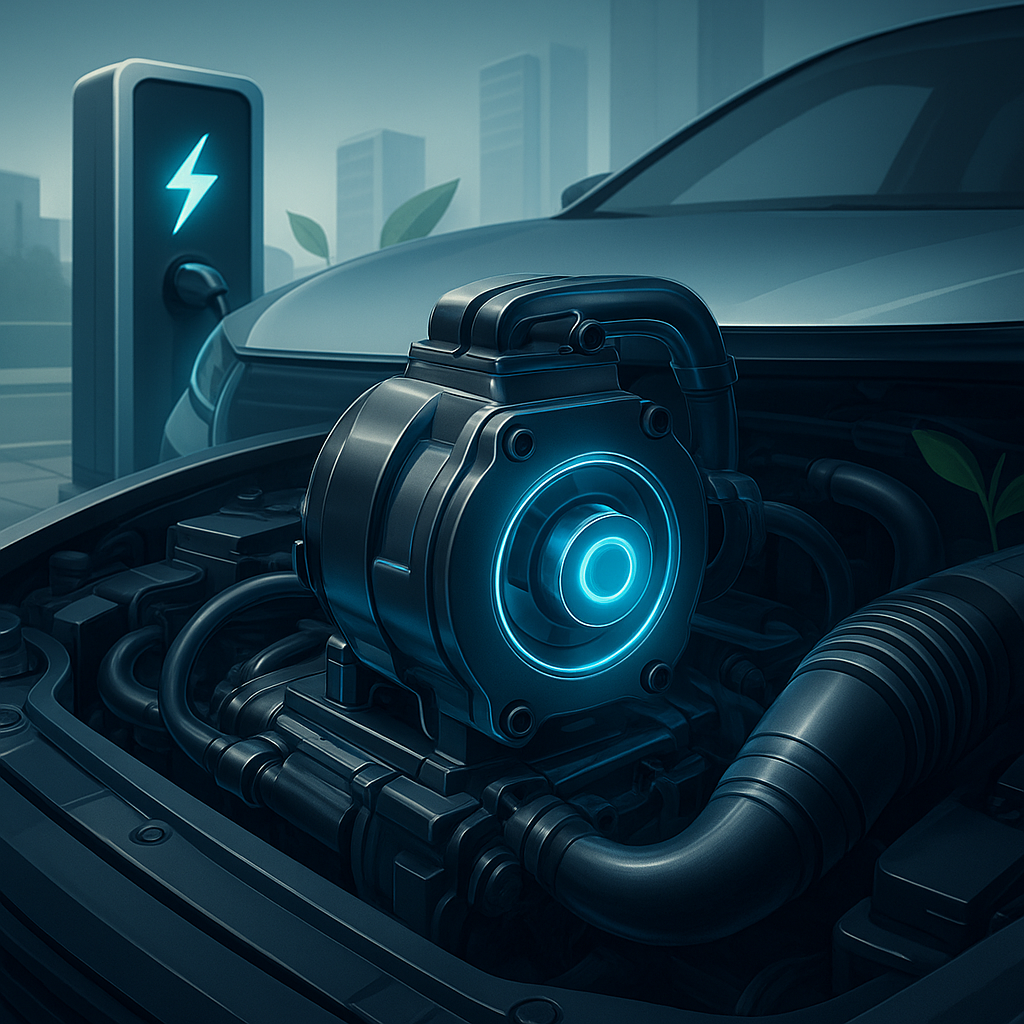
Electrifying Momentum: The Unsung Hero of EV Expansion
On a bustling assembly line in Stuttgart, Germany, a precise electric oil pump is quietly revolutionizing the production of electric vehicles (EVs). While electric motors and battery innovations often dominate headlines, electric oil pumps have become critical enablers of the electric automotive era. According to recent market estimates, the automotive electric oil pump market, valued at USD 8,787.34 million as of early 2026, is projected to grow at a consistent 5.7% CAGR over the next five years. This remarkable growth trajectory underscores the pivotal role these components play in enhancing EV efficiency, reliability, and performance.
The surge in EV adoption worldwide, accelerated by government incentives, tightening emission regulations, and shifting consumer preferences, has created immense demand for advanced vehicle components. Among these, electric oil pumps have emerged as vital systems that regulate lubrication and thermal management without the inefficiencies of traditional mechanical pumps. This article unpacks the complex interplay between EV adoption and the electric oil pump market, analyzing technological advancements, market dynamics, and future outlooks shaping this burgeoning sector.
"Electric oil pumps are not just auxiliary components; they are fundamental to optimizing electric vehicle powertrains and thermal systems, directly impacting vehicle longevity and efficiency," says Dr. Lena Herzog, a leading automotive systems engineer.
From Mechanical Roots to Electric Precision: A Historical Perspective
To appreciate the current market momentum, it is essential to understand how oil pump technology evolved in the automotive sector. Traditionally, internal combustion engine (ICE) vehicles relied on mechanically driven oil pumps, powered by the engine’s crankshaft. These pumps ensured constant lubrication of engine parts but were limited by their dependency on engine speed, leading to inefficiencies at low RPMs or idling conditions.
The gradual shift toward hybrid and electric powertrains exposed the limitations of mechanical pumps, catalyzing the development of electrically driven oil pumps. Unlike their mechanical counterparts, electric oil pumps operate independently of engine speed, enabling variable flow rates tailored to specific operational demands. This capability is crucial for EVs, where engine idling is replaced by complex thermal management needs across batteries, inverters, and electric motors.
Market analysts trace the inception of automotive electric oil pumps to early hybrid vehicles in the 2010s, but the widespread adoption only took off post-2020 as EV sales surged globally. The 2026 market valuation of USD 8,787.34 million, growing steadily at 5.7% CAGR, reflects this transition. Innovations such as brushless DC motors, integrated sensors, and smart control algorithms have enhanced pump efficiency and durability, further propelling market growth.
"The transition to electric oil pumps represents a fundamental shift in automotive design philosophy, prioritizing energy efficiency and system integration," notes automotive historian Mark Seldon.
Market Dynamics and Data-Driven Insights
Examining the electric oil pump market through a data-centric lens reveals diverse growth drivers and competitive dynamics. The current USD 8.79 billion valuation is supported by robust demand across multiple vehicle segments, especially passenger EVs and commercial electric trucks. Industry reports estimate that electric oil pumps now constitute approximately 30% of all oil pump installations in new vehicles globally, a figure expected to rise sharply.
Key factors fueling market expansion include:
- EV Penetration: Global EV sales surpassed 20 million in 2025, representing nearly 15% of total vehicle sales worldwide. This trend, bolstered by policies such as the European Union’s stricter CO2 targets and China’s extensive EV subsidies, directly boosts electric oil pump demand.
- Technological Advancements: Improved pump designs featuring integrated temperature and pressure sensors enable adaptive flow control, reducing energy consumption by up to 20% compared to earlier models.
- Regulatory Pressures: Emission reduction mandates are incentivizing automakers to adopt electric oil pumps for their energy-saving benefits and lower noise profiles.
- Supply Chain Expansion: Major automotive suppliers like Bosch, Denso, and Continental have ramped up production capacities and invested in R&D to maintain competitive edges.
Comparatively, the traditional mechanical oil pump market is witnessing a decline, with many automakers phasing out these components in favor of electric variants for next-generation vehicles. The electric oil pump segment’s 5.7% CAGR outpaces the overall automotive components market, which is growing at 3.2% CAGR, highlighting its strategic importance.
2026 Market Landscape: Innovations and Industry Shifts
The year 2026 marks a pivotal phase for electric oil pumps amid rapid EV adoption and evolving automotive architectures. One notable development is the integration of electric oil pumps with vehicle thermal management systems, enabling more precise cooling of batteries and power electronics. This integration reduces thermal stress and extends component lifespans, a critical factor as EV ranges and performance expectations rise.
Additionally, the adoption of advanced materials such as high-performance polymers and lightweight alloys in pump construction has decreased component weight by up to 15%, contributing to overall vehicle efficiency improvements. Manufacturers are also embedding IoT-enabled diagnostics in pumps, allowing real-time monitoring and predictive maintenance, which aligns with the growing trend of connected vehicles.
New market entrants from Asia and Europe are disrupting traditional supplier hierarchies by offering cost-effective, modular electric oil pump solutions tailored for emerging EV models. These innovations are not only enhancing product performance but also reducing manufacturing costs, thereby accelerating market penetration.
Moreover, the ripple effects of the recent oil price shocks, detailed in TheOmniBuzz’s Oil Shock Accelerates Electric Vehicles’ Surge Beyond Expectations report, have intensified the global push toward electrification, directly benefiting electric oil pump manufacturers.
Industry Voices: Expert Perspectives on Market Trajectory
Industry experts highlight the electric oil pump market as a bellwether for broader EV technology trends. According to Dr. Kiran Patel, CTO at a leading automotive supplier, "Electric oil pumps embody the convergence of mechanical engineering and digital control, representing a crucial step toward fully integrated EV systems that optimize energy use and vehicle performance."
Automotive OEMs emphasize the role of electric oil pumps in meeting increasingly stringent emission targets while enhancing vehicle reliability. "Our transition to electric oil pumps aligns with our sustainability goals and improves thermal regulation critical for battery health," explains Maria Lopez, VP of Engineering at a top-tier EV manufacturer.
The market also faces challenges, including supply chain disruptions and the need for standardization across models and regions. However, ongoing collaborations between automakers and suppliers aim to address these hurdles through joint innovation initiatives.
Forecasting the Future: Trends and Strategic Takeaways
Looking ahead, the electric oil pump market is poised to maintain its 5.7% CAGR growth trajectory, driven by expanding EV adoption and continuous technological refinement. Analysts identify several key trends to watch:
- Integration with Smart Thermal Systems: Pumps will increasingly function as part of holistic vehicle cooling ecosystems, employing AI-based controls for adaptive performance.
- Material and Design Innovations: Development of ultra-lightweight, corrosion-resistant materials will enhance durability and reduce energy consumption further.
- Expanded Applications: Beyond EVs, electric oil pumps will find utility in hybrid platforms and emerging hydrogen fuel cell vehicles, supporting diverse propulsion architectures.
- Aftermarket Growth: As the installed base of EVs grows, maintenance and replacement markets for electric oil pumps will emerge as significant revenue streams.
- Global Supply Chain Localization: To mitigate geopolitical risks, manufacturers will diversify sourcing and production closer to key markets.
For stakeholders, these insights underscore the importance of investing in R&D, forging strategic partnerships, and embracing modular design philosophies. TheOmniBuzz’s coverage of the 5.7% Growth Surge in Electric Oil Pumps Fuels EV Expansion Momentum further elaborates on these opportunities.
Real-World Impact: Case Studies from Leading Automakers
Several automakers have pioneered the use of electric oil pumps to enhance EV performance. Tesla’s Model 3, for instance, incorporates an electric oil pump system that dynamically adjusts lubrication flow based on motor load and temperature, contributing to improved energy efficiency and quieter operation.
Volkswagen’s ID.4 uses an integrated electric oil pump that works in concert with its thermal management system, enabling rapid battery temperature stabilization during fast charging. This innovation reduces charging times and extends battery life, addressing key consumer pain points.
Meanwhile, startups like Rivian have introduced modular electric oil pump units that simplify maintenance and enable easier upgrades, reflecting a growing trend toward serviceability in EV design.
- Key benefits realized by these implementations include:
- Up to 15% increase in drivetrain efficiency
- Reduction of thermal degradation by 20%
- Lower noise and vibration levels improving passenger comfort
- Enhanced vehicle reliability and reduced warranty claims
Such real-world examples validate market forecasts and highlight how electric oil pumps are integral to the next generation of electric mobility.