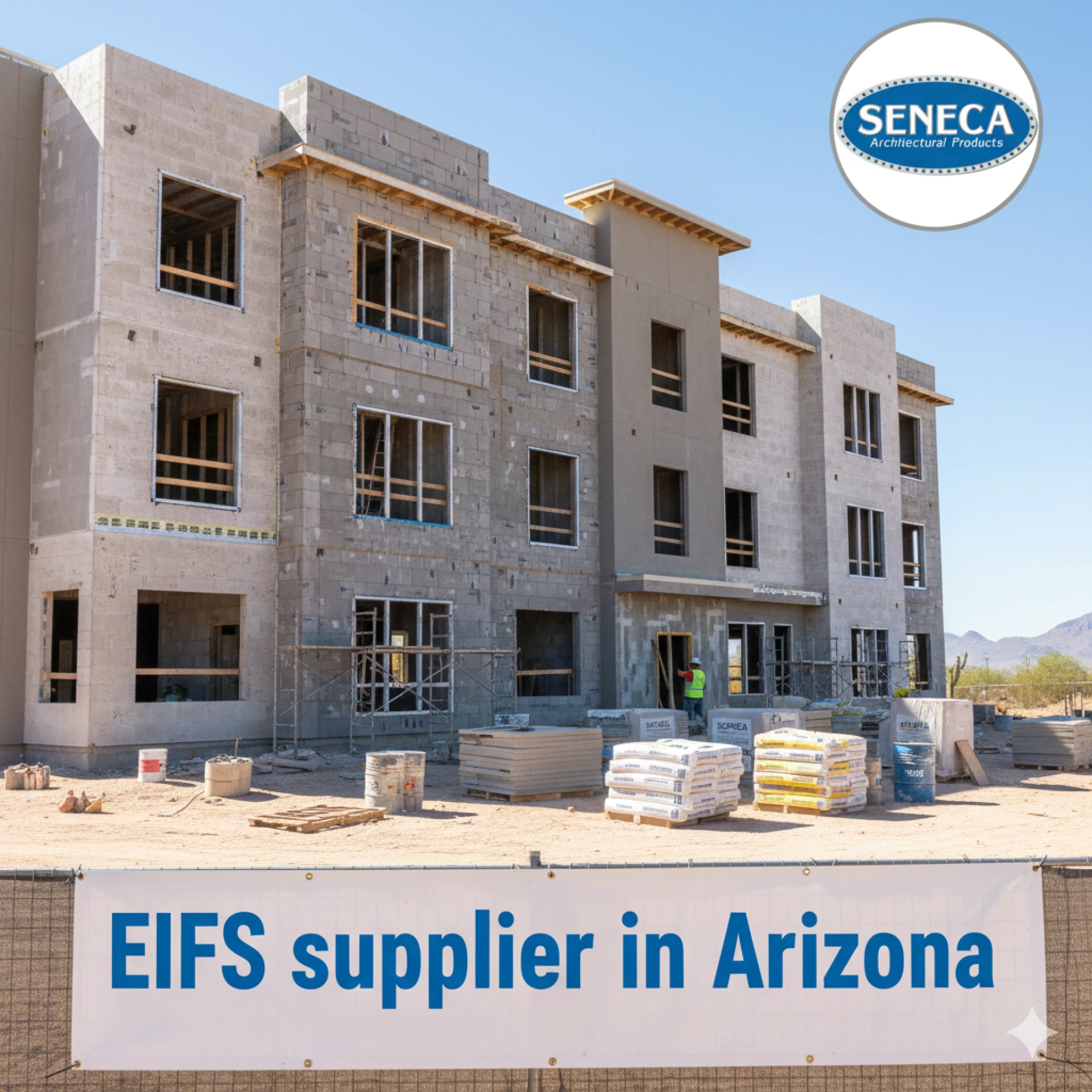
Understanding EIFS Technology in Arizona's Unique Climate
Arizona's extreme climate conditions create exceptional challenges for building envelope systems. Temperature swings exceeding fifty degrees between day and night, intense UV radiation, monsoon moisture events, and prolonged dry periods test exterior wall systems beyond typical performance expectations. Selecting the right EIFS supplier in Arizona requires understanding these unique environmental demands.
Exterior Insulation and Finish Systems represent advanced wall cladding technology combining continuous insulation, reinforced base coats, and durable finish coats into integrated assemblies. Unlike traditional stucco requiring substantial thickness and weight, EIFS achieves superior thermal performance with minimal wall thickness. This efficiency proves particularly valuable in Arizona where cooling loads dominate energy consumption.
The technology behind EIFS has evolved significantly since early installations in the 1960s. Modern systems incorporate drainage planes, moisture barriers, and breathable components addressing lessons learned from decades of field performance. Quality EIFS supplier operations in Arizona stock exclusively current-generation systems engineered for desert climate performance.
Building professionals throughout Arizona increasingly specify EIFS for projects demanding energy efficiency, design flexibility, and long-term durability. From Phoenix office towers to Tucson retail centers and Flagstaff residential developments, EIFS delivers performance advantages traditional cladding systems cannot match. Partnering with knowledgeable EIFS supplier professionals ensures proper system selection and application.
The Desert Climate Advantage of EIFS Technology
Arizona's cooling-dominated climate makes thermal performance the critical factor in exterior wall system selection. EIFS provides continuous insulation across the entire wall assembly eliminating thermal bridging that compromises conventional framed walls. R-values of R-10 to R-20 come standard with EIFS installations, dramatically reducing heat transfer through building envelopes.
Energy cost savings from EIFS installations in Arizona compound year after year. Commercial buildings utilizing EIFS typically reduce cooling expenses by twenty to thirty percent compared to conventional exterior systems. Over a twenty-year service life, these savings substantially exceed initial installation premiums. Smart building owners recognize EIFS as investment rather than expense.
Summer surface temperatures on conventional stucco or masonry walls in Arizona regularly exceed 160 degrees Fahrenheit. These superheated surfaces radiate heat into buildings overwhelming air conditioning systems. EIFS insulation layers prevent this heat transfer maintaining cooler interior wall surfaces. Occupants experience improved comfort alongside reduced energy consumption.
Thermal mass benefits in Arizona's climate favor lightweight insulated systems over heavy masonry. The diurnal temperature swing creates conditions where thermal mass actually increases cooling loads by storing daytime heat and releasing it during evening hours when buildings remain occupied. EIFS avoids this problem through insulation decoupling exterior temperatures from interior conditions.
Winter heating loads in northern Arizona communities like Flagstaff, Prescott, and Sedona benefit equally from EIFS thermal performance. The same insulation reducing summer cooling costs minimizes winter heating expenses. This year-round efficiency makes EIFS particularly attractive for mixed-climate Arizona locations experiencing both temperature extremes.
EIFS System Components and Arizona-Specific Considerations
Water-resistive barriers form the critical first defense against moisture intrusion in EIFS assemblies. Arizona's monsoon season brings intense rainfall events testing these barriers significantly. Quality EIFS supplier operations in Arizona stock premium barrier materials engineered for extreme weather resistance. These barriers must handle both liquid water and water vapor appropriately.
Insulation boards in EIFS systems use expanded or extruded polystyrene foam providing thermal resistance and dimensional stability. Arizona's temperature extremes demand insulation materials maintaining properties across wide temperature ranges. Inferior products can warp or degrade under intense heat exposure. Professional EIFS supplier operations specify proven materials tested in desert conditions.
Base coat materials reinforce insulation boards and provide substrate for finish coats. These layers incorporate polymer-modified cement and fiberglass mesh creating durable, crack-resistant assemblies. Arizona's thermal cycling stresses these components through daily expansion and contraction. Premium base coat materials from reputable EIFS supplier sources accommodate movement without failure.
Finish coats determine final appearance while protecting underlying components from UV exposure and weather. Acrylic polymer finishes dominate Arizona EIFS applications due to superior fade resistance and flexibility. These finishes maintain color and integrity despite relentless desert sun exposure. Experienced EIFS supplier professionals guide finish selection ensuring appropriate products for specific exposures.
Sealants and accessories including reveals, trim pieces, and termination details critically affect EIFS performance. These components must accommodate thermal movement while maintaining weathertight seals. Quality EIFS supplier inventories include complete accessory systems ensuring compatibility and performance. Mixing incompatible products from different manufacturers creates failure risks.
Commercial EIFS Applications Throughout Arizona
Office buildings across Phoenix, Scottsdale, and Tempe utilize EIFS achieving dramatic facades with exceptional energy performance. The system's design flexibility enables complex geometric forms, curved surfaces, and intricate detailing impossible with conventional materials. Leading architects specify EIFS for signature projects demanding both aesthetics and efficiency.
Retail developments throughout Arizona leverage EIFS for brand-compliant exterior finishes. National retailers require specific colors, textures, and details matching corporate standards. EIFS accommodates these requirements while delivering superior thermal performance. Experienced EIFS supplier teams work with developers ensuring brand compliance and system performance.
Hospitality projects including hotels and resorts showcase EIFS at its most refined. These buildings demand premium aesthetics alongside functional performance. EIFS enables luxury appearances through unlimited finish options, shadow lines, and architectural details. Resort developments in Scottsdale, Tucson, and Sedona frequently specify EIFS for distinctive appearances.
Healthcare facilities benefit from EIFS energy efficiency and design flexibility. Hospitals and medical office buildings maintain strict temperature and humidity control requiring superior building envelope performance. EIFS contributes to these environmental controls while providing attractive, durable exteriors. Phoenix's expanding healthcare sector increasingly adopts EIFS technology.
Educational institutions throughout Arizona choose EIFS for new construction and renovation projects. Schools and universities appreciate EIFS durability, low maintenance, and energy savings. Budget-conscious educational facilities maximize value through EIFS long-term performance. Experienced EIFS supplier operations support educational projects from planning through completion.
Residential EIFS Solutions for Arizona Homeowners
Custom home construction in Arizona's luxury markets increasingly incorporates EIFS for distinctive appearances and energy efficiency. Paradise Valley, North Scottsdale, and Tucson's Catalina Foothills feature spectacular homes utilizing EIFS creating Mediterranean, contemporary, and traditional architectural styles. Design flexibility enables homeowners achieving unique visions.
Multi-family developments leverage EIFS for attractive, energy-efficient housing. Apartment and condominium projects throughout metro Phoenix specify EIFS reducing construction costs while improving resident comfort. The system's fire resistance and sound attenuation properties benefit high-density housing applications particularly well.
Retirement communities in Sun City, Green Valley, and other Arizona locations utilize EIFS extensively. These developments prioritize energy efficiency and low maintenance matching resident priorities. EIFS delivers both benefits through superior insulation and durable finishes requiring minimal upkeep. This combination appeals strongly to retiree markets.
Renovation projects transform dated building appearances through EIFS over-cladding existing exteriors. This approach improves energy performance dramatically while completely refreshing aesthetics. Many Arizona commercial properties originally built in the 1970s and 1980s benefit tremendously from EIFS renovation. The investment pays back through energy savings and increased property values.
Historic district developments sometimes utilize EIFS replicating traditional stucco appearances. Modern EIFS technology recreates authentic textures and details while delivering contemporary performance. Scottsdale's Old Town and Tucson's historic neighborhoods include carefully executed EIFS installations respecting architectural heritage while improving functionality.
Desert Climate Installation Considerations
Arizona's extreme summer temperatures create installation challenges requiring experienced applicators. Surface temperatures exceeding 120 degrees affect material working properties and curing characteristics. Professional EIFS supplier operations provide technical guidance ensuring proper installation despite challenging conditions. Temperature limitations must be observed rigorously.
Monsoon season moisture creates additional installation complexity. Sudden intense rainfall events can damage partially completed EIFS assemblies. Proper sequencing and weather protection prove essential during summer months. Experienced contractors coordinate with EIFS supplier technical teams planning installation strategies minimizing weather risks.
Low humidity throughout most of the year affects curing rates for cement-based EIFS components. Materials dry too quickly in Arizona's arid conditions potentially weakening final assemblies. Proper misting and curing procedures become critical. Quality EIFS supplier operations educate contractors on Arizona-specific application requirements ensuring optimal results.
Wind conditions particularly during spring months create application challenges. Blowing dust contaminates wet materials while high winds disrupt application processes. Professional installers monitor conditions and suspend work when necessary. EIFS supplier technical representatives support contractors making appropriate weather-related decisions.
Substrate preparation in Arizona often involves masonry, concrete, or metal stud framing. Each substrate type requires specific preparation procedures ensuring proper EIFS adhesion. Experienced EIFS supplier teams provide substrate-specific guidance preventing adhesion failures. Proper preparation determines long-term performance more than any other factor.
Energy Code Compliance and EIFS Performance
Arizona's energy code requirements continue becoming more stringent reflecting national trends toward improved building efficiency. EIFS naturally helps projects achieve compliance through superior thermal performance. Buildings utilizing EIFS frequently exceed minimum code requirements positioning them for future regulation changes.
The continuous insulation credit in energy codes specifically benefits EIFS installations. Unlike cavity insulation compromised by thermal bridging, EIFS provides uninterrupted insulation across the entire wall assembly. This attribute generates substantial energy modeling credits. EIFS supplier technical teams assist with energy calculations demonstrating compliance.
Cool roof requirements in Arizona sometimes extend to wall systems in extremely hot climates. Light-colored EIFS finishes reflect solar radiation reducing heat absorption. This characteristic contributes to overall building thermal performance. Strategic EIFS supplier operations stock reflective finish options optimized for Arizona conditions.
Building energy modeling increasingly influences system selection during design phases. EIFS thermal performance translates directly into reduced equipment sizing and operating costs. Mechanical engineers appreciate EIFS reducing cooling loads enabling smaller, less expensive HVAC systems. These first-cost savings offset EIFS installation premiums.
Utility rebate programs occasionally incentivize high-performance building envelopes. EIFS projects may qualify for these programs through demonstrated energy savings. EIFS supplier professionals assist clients investigating available incentives. These programs improve project economics making EIFS even more attractive.
Quality Assurance and Arizona-Specific Testing
Third-party testing validates EIFS performance under conditions simulating Arizona's environment. Accelerated weathering tests expose systems to UV radiation, temperature cycling, and moisture equivalent to decades of Arizona exposure. Quality EIFS supplier operations stock only systems proven through rigorous testing protocols.
Wind-driven rain resistance testing proves particularly relevant for Arizona monsoon conditions. These tests verify water-resistive barrier integrity under simulated storm conditions. EIFS systems must prevent moisture intrusion despite intense rainfall combined with high winds. Premium systems pass these tests with substantial safety margins.
Impact resistance testing ensures EIFS withstands hail common during Arizona monsoons. Golf-ball and softball impact tests simulate hail strikes verifying finish coat and base coat durability. Quality systems resist these impacts without damage. EIFS supplier professionals provide impact test data supporting system selection.
Fire testing validates EIFS performance in building fires. Non-combustible foam insulations and fire-resistant base coats contribute to excellent fire ratings. Most EIFS assemblies achieve Class A fire ratings suitable for any building type. This fire performance proves essential for Arizona building code compliance.
Thermal cycling tests expose EIFS to repeated heating and cooling simulating daily temperature swings. Arizona's extreme diurnal variations make this testing particularly relevant. Systems must accommodate thermal movement without cracking or delaminating. Proven systems demonstrate stability through thousands of test cycles.
Seneca Architectural Products: Premier EIFS Supplier in Arizona
Seneca Architectural Products serves Arizona's construction industry as a trusted EIFS supplier providing comprehensive product lines and technical expertise. Their commitment to quality and customer service positions them as the preferred partner for EIFS projects statewide.
The EIFS product range available through Seneca Architectural Products includes systems from leading manufacturers proven in Arizona conditions. This carefully curated selection ensures contractors and builders access reliable, high-performance materials. As an established EIFS supplier in Arizona, Seneca Architectural Products maintains substantial inventory preventing project delays.
Technical support distinguishes Seneca Architectural Products from typical material suppliers. Their team understands EIFS technology, application requirements, and Arizona-specific challenges. This expertise enables them to recommend optimal systems for specific applications. Contractors value this consultative approach from their EIFS supplier partner.
Training programs offered through Seneca Architectural Products ensure proper EIFS installation throughout Arizona. They coordinate manufacturer training sessions educating contractors on current best practices. This investment in installer education improves industry-wide quality standards. As a responsible EIFS supplier, Seneca Architectural Products recognizes that product quality means nothing without proper installation.
Statewide distribution capabilities ensure Seneca Architectural Products serves projects throughout Arizona efficiently. Locations in Phoenix and Tucson provide convenient access for contractors across the state. Reliable delivery scheduling keeps projects on track. This logistical capability represents significant value from an EIFS supplier serving Arizona's expansive geography.
Customer service excellence characterizes every interaction with Seneca Architectural Products. Their responsive team addresses questions promptly and resolves issues efficiently. This service orientation builds lasting relationships throughout Arizona's construction community. Contractors know they can depend on Seneca Architectural Products as their EIFS supplier partner.
Color and Finish Options for Arizona Aesthetics
Arizona's architectural traditions favor earth tones reflecting desert landscapes. EIFS finishes in terracotta, sand, adobe, and sunset hues complement regional aesthetics naturally. These colors also provide practical benefits by reflecting solar radiation reducing heat absorption. Experienced EIFS supplier professionals guide color selection balancing aesthetics and performance.
Southwestern architectural styles utilize EIFS creating authentic stucco appearances with superior performance. Textured finishes replicate traditional hand-troweled stucco while delivering modern efficiency. Custom color matching capabilities enable precise coordination with existing buildings or brand standards. Professional EIFS supplier operations provide extensive finish options.
Contemporary architectural designs increasingly popular in urban Arizona leverage EIFS smooth finishes and bold colors. Clean modern aesthetics suit EIFS technology perfectly. The system enables sharp lines, crisp reveals, and geometric precision impossible with traditional stucco. Progressive architects appreciate EIFS design flexibility.
Fade resistance proves critical in Arizona's intense UV environment. Premium acrylic finishes maintain color integrity despite relentless sun exposure. Inferior finishes chalk and fade within few years requiring expensive refinishing. Quality EIFS supplier operations stock only proven fade-resistant products protecting long-term aesthetics.
Texture variations from fine sand finishes to heavy aggregate patterns enable diverse aesthetic expressions. Each texture creates different visual effects and shadow patterns. Combining textures adds depth and interest to facades. Knowledgeable EIFS supplier teams help designers select textures achieving intended appearances.
Moisture Management in Arizona EIFS Installations
While Arizona's arid climate minimizes moisture concerns compared to humid regions, proper moisture management remains essential. Monsoon rainfall events can deliver several inches of precipitation in hours. EIFS assemblies must handle these intense moisture loads without failure.
Drainage EIFS systems incorporate channels allowing water reaching behind insulation boards to drain safely. These systems provide critical redundancy if primary water barriers fail. Most commercial EIFS applications in Arizona utilize drainage systems despite the dry climate. This conservative approach prevents moisture-related failures.
Flashing details at windows, doors, and penetrations prove critical to moisture control. Improperly flashed openings allow water intrusion regardless of EIFS quality. Professional EIFS supplier technical teams provide flashing details specific to Arizona conditions. Following these details prevents the majority of moisture problems.
Below-grade transitions require special attention in EIFS installations. Ground moisture can wick upward into EIFS assemblies if improperly detailed. Proper termination above grade with drainage and vapor barriers prevents this moisture migration. EIFS supplier professionals specify appropriate termination systems.
Roof-to-wall interfaces represent another critical moisture control location. These transitions must accommodate differential movement while maintaining weathertight seals. Properly designed and installed transitions prevent water intrusion. Experienced EIFS supplier teams provide proven detail solutions.
Maintenance and Longevity in Desert Conditions
EIFS requires minimal maintenance compared to many exterior systems. Annual washing removes accumulated dust maintaining appearance. Unlike wood siding requiring painting or masonry requiring tuckpointing, EIFS maintenance costs remain low. This characteristic appeals strongly to Arizona property owners seeking long-term value.
Finish coat longevity in Arizona depends primarily on UV resistance and proper installation. Premium acrylic finishes maintain integrity for twenty to thirty years. Inferior products fail much sooner requiring expensive refinishing. Choosing quality materials from reputable EIFS supplier sources protects long-term investments.
Sealant joints require periodic inspection and maintenance. Thermal cycling and UV exposure eventually degrade sealants necessitating replacement. Five to ten-year intervals typically suffice for sealant maintenance in Arizona. This routine maintenance prevents more serious problems developing.
Impact damage from landscaping equipment, hail, or vandalism occasionally requires repair. EIFS repairs relatively easily using matching materials from original EIFS supplier. Properly executed repairs blend seamlessly with surrounding surfaces. Maintaining relationship with original supplier facilitates matching repairs.
Monitoring for unusual staining, efflorescence, or texture changes helps identify developing problems early. These visual cues may indicate moisture intrusion or other issues requiring investigation. Prompt attention to problems prevents minor issues becoming major failures.
Cost Analysis and Return on Investment
Initial EIFS installation costs in Arizona typically range fifteen to twenty-five percent higher than conventional stucco systems. However, energy savings, reduced maintenance, and extended service life frequently justify these premiums. Lifecycle cost analysis consistently favors EIFS over conventional alternatives.
Energy savings from EIFS in Arizona's climate generate substantial returns. Commercial buildings save thousands annually in reduced cooling costs. These savings accumulate over decades providing measurable return on investment. Smart developers recognize EIFS as profit center rather than expense.
Reduced mechanical system costs offset EIFS installation premiums partially. Smaller HVAC equipment serves EIFS buildings due to reduced loads. These first-cost savings improve project economics immediately. Mechanical engineers and developers increasingly factor these savings into system selection decisions.
Property value enhancement from EIFS installation benefits building owners through increased equity and rental rates. Energy-efficient buildings command premium valuations in Arizona's competitive real estate markets. This appreciation provides tangible economic benefit beyond operating cost savings.
Tax incentives and accelerated depreciation for energy-efficient building improvements sometimes apply to EIFS installations. These financial benefits improve project economics substantially. EIFS supplier professionals can direct clients to resources explaining available tax advantages.
Comparing EIFS to Alternative Exterior Systems
Traditional three-coat stucco remains common in Arizona but offers inferior thermal performance compared to EIFS. The additional labor and materials required for conventional stucco often result in costs similar to EIFS without the energy benefits. EIFS delivers better value through superior performance.
Precast concrete panels provide architectural expression but at substantial cost premiums over EIFS. The weight of precast also requires more robust structural systems. EIFS achieves similar appearances at lower cost and weight. This combination appeals to value-conscious developers.
Metal panel systems offer contemporary aesthetics but minimal thermal performance without added insulation. Combining metal panels with interior insulation increases costs substantially. EIFS provides integrated insulation and finish in single system. This efficiency streamlines construction.
Masonry veneer construction delivers traditional appearances but significant cost and structural penalties. The weight of masonry requires substantial foundations and structural support. EIFS replicates masonry aesthetics at fraction of the weight and cost. This advantage proves particularly valuable in Arizona where deep foundations prove expensive.
Fiber cement siding provides durability but requires extensive framing and separate insulation. Labor costs for fiber cement installation often exceed EIFS. The systems achieve similar appearances with EIFS offering superior thermal performance. Contractors appreciate EIFS installation efficiency.
Frequently Asked Questions About EIFS in Arizona
How does EIFS perform during Arizona monsoons?
Modern drainage EIFS systems excel in monsoon conditions when properly installed. The water-resistive barrier prevents moisture intrusion while drainage channels evacuate any water reaching behind insulation boards. Properly detailed window and door openings shed water effectively. Quality EIFS supplier products combined with professional installation ensure reliable monsoon performance.
Can EIFS withstand Arizona's extreme temperature swings?
Premium EIFS systems accommodate Arizona's temperature extremes through flexible components and engineered expansion joints. Base coats and finishes flex with thermal movement preventing cracks. Proper installation including appropriate joint spacing proves essential. Materials from reputable EIFS supplier sources include components tested specifically for thermal cycling performance.
Is EIFS suitable for northern Arizona's winter conditions?
EIFS performs excellently in Flagstaff, Prescott, and other northern Arizona locations experiencing winter weather. The continuous insulation reduces heating costs significantly. Freeze-thaw resistance of quality EIFS materials prevents deterioration. Snow and ice do not damage properly installed EIFS. The system serves both heating and cooling climates effectively.
How long does EIFS last in Arizona's harsh climate?
Premium EIFS installations in Arizona regularly achieve thirty to forty-year service lives when properly maintained. The UV-stable finish coats and durable base materials withstand desert conditions exceptionally well. Annual cleaning and periodic sealant maintenance preserve system integrity. This longevity exceeds many alternative exterior systems.
What building types work best with EIFS in Arizona?
EIFS suits virtually any building type in Arizona from single-family homes to high-rise commercial structures. The system scales effectively across applications. Cooling-dominated buildings benefit most from EIFS thermal performance. Both new construction and renovation projects utilize EIFS successfully. Consulting with experienced EIFS supplier professionals helps identify optimal applications.
Future Trends in EIFS Technology
Enhanced insulation materials promise even greater thermal performance in future EIFS systems. Vacuum insulation panels and aerogel technologies may integrate into EIFS assemblies. These advances would dramatically reduce wall thickness while improving energy efficiency. Progressive EIFS supplier operations monitor emerging technologies.
Smart building integration may incorporate sensors into EIFS assemblies monitoring moisture, temperature, and structural movement. This data would enable predictive maintenance and validate energy performance. Internet-connected buildings will increasingly include intelligent exterior systems. Forward-thinking EIFS suppliers prepare for these developments.
Sustainable materials including bio-based insulations and recycled content finishes represent important industry directions. Environmental concerns drive material innovation throughout construction. EIFS manufacturers develop greener products meeting sustainability goals without compromising performance. Responsible EIFS supplier operations prioritize environmentally progressive products.
Self-cleaning finish technologies utilizing photocatalytic and hydrophilic properties may reduce maintenance requirements. These advanced finishes break down organic contaminants and shed water carrying away dirt. Arizona's dusty environment would benefit substantially from self-cleaning capabilities. Emerging EIFS supplier product offerings include these innovations.
Conclusion: Choosing the Right EIFS Supplier in Arizona
Arizona's challenging climate demands exterior systems delivering exceptional thermal performance, durability, and aesthetic flexibility. EIFS technology meets these requirements better than conventional alternatives. Success depends critically on partnering with knowledgeable EIFS supplier operations providing quality materials and expert technical support.
Seneca Architectural Products brings comprehensive EIFS supplier capabilities supporting Arizona's construction industry. Their product selection, technical expertise, and customer service commitment position them as the preferred partner for EIFS projects statewide. Contractors and developers benefit from Seneca Architectural Products' proven track record.
The investment in quality EIFS materials and professional installation delivers returns throughout building lifecycles. Energy savings, reduced maintenance, and enhanced property values justify initial costs many times over. Smart building professionals recognize EIFS as strategic investment in performance and profitability.
As Arizona's construction industry continues growing and energy efficiency becomes increasingly critical, EIFS adoption will expand. Buildings requiring superior thermal performance and design flexibility will increasingly specify EIFS technology. Choosing Seneca Architectural Products as your EIFS supplier in Arizona ensures access to premium materials, expert guidance, and responsive support delivering project success from planning through completion and beyond.