
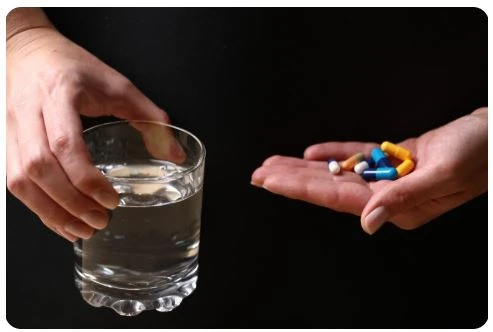
When a person commits to giving up alcohol, it becomes a significant life decision, and for most, it is heading to be a difficult journey that often weighs a lot emotionally. However, with the required support systems and medical approaches, long-term sobriety is likely. In terms of methods that can optimally impact a person's ability to quit drinking, one of the novel avenues that have been explored in recent years is the use of medication to stop drinking alcohol for an individual to cease using alcohol.
This guest post is intended to enlighten on what this option is, how it works and whether it may be appropriate for those who want to stop drinking alcohol.
Why Use Medication?
Medications can help to control cravings symptoms, making it easier to maintain sombreness in the early stages of recovery.
Types of Medications Available
There are several FDA-approved medications available to help individuals deal with issues that arise when attempting to quit drinking alcohol. Each works differently and is prescribed according to the needs of the person.
Importance of Medical Supervision
Medication should always have health care provider supervision because the professional assistance involves dosage, side effects monitoring, and safety.
Combination with Therapy
To enhance efficiency in medication, it is better to combine it with counseling or other behavioral therapies. This aims at covering the physical, emotional, and psychological facets of recovery.
Know Medications for Alcohol Cessation
There are three main drugs that have been used to treat patients from alcohol use disorder (AUD):
Disulfiram (Antabuse): The medication works to discourage drinking by causing an adverse response to intake of alcohol due to a physical reaction.
Naltrexone (ReVia, Vivitrol): It reduces pleasurable effects of alcohol hence reducing cravings to consume alcohol.
Acamprosate (Campral): It helps in normalizing the functioning of the brain after cessation from alcohol consumption, especially orienting mood and sleep.
These medicines act on different facets of alcohol dependence, thus making important considerations by medical evaluation before being placed on the right choice.
When to Consider Medication
Medication is used when the person concerned:
- There have been previous attempts to quit drinking without success.
- There are very strong and unquenchable urges to take alcohol.
- There are very unpleasant withdrawal symptoms.
- There is a mental disorder on top of that, which complicates recovery.
Bear in mind that these medications are not a cure iin themselves but part of the total recovery strategy.
Constructing an Overall Long-Term Plan
Successfully quitting alcohol goes beyond taking a pill. Though the medication may help in breaking the physical dependence, it never really changes the emotions or behavioral patterns associated with the problem. These usually include:
- Participation in a formal group or therapy
- Selecting real goals and monitoring achievement
- Regular appointments with a physician
- Lifestyle changer: healthy nutrition, exercise, and sleep
A Practical Step Toward Going into Lasting Sobriety
Getting medication to stop the drinking process, for many people, is truly the first important step toward seeing life in a different light, which is life with no drinking. While it will never be the total answer, being properly used and professionally supervised allows a given medication to increase fairly the chances of eventual success in attaining long-term sobriety. You may want to ask a healthcare provider whether medication might find a role in your recovery plan toward going alcohol-free.
Also read: Is Outpatient Rehab Right for You? Pros, Cons, and What to Expect