
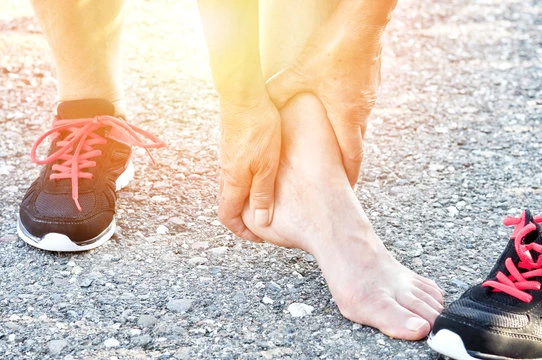
Heel pain can significantly impact daily activities and overall quality of life. Whether caused by plantar fasciitis, Achilles tendinitis, or stress fractures, proper rehabilitation remains essential. Understanding the right exercises helps restore function and prevents future complications.
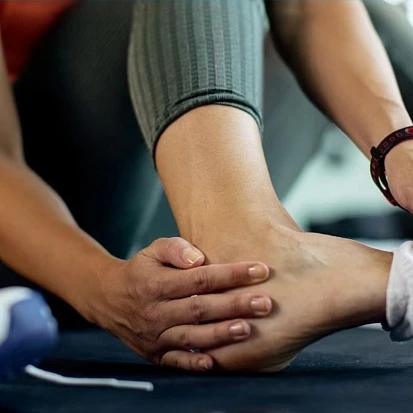
Understanding Common Heel Problems
The heel bears tremendous pressure during walking, running, and standing activities. Plantar fascia inflammation occurs when the connective tissue becomes overstressed and irritated. Achilles tendon issues develop from repetitive strain or sudden intense physical activity.
Heel spurs form when calcium deposits accumulate on the calcaneus bone. Bursitis affects the fluid-filled sacs that cushion the heel structure. Stress fractures result from overuse or high-impact activities without adequate rest.
Early intervention through targeted exercises promotes faster healing and better outcomes. Physical therapy combined with proper footwear makes a significant difference in recovery.
The Importance of Proper Rehabilitation
Rushing back to normal activities often leads to chronic pain conditions. A structured rehabilitation program addresses muscle weakness and flexibility limitations systematically. Gradual progression ensures tissues adapt without experiencing additional traumatic stress.
Conservative heel injuries treatment through exercise therapy provides lasting relief for patients. Strengthening surrounding muscles supports the injured area during the healing process. Improved biomechanics reduce excessive strain on vulnerable heel structures over time.
Stretching Exercises for Heel Recovery
Calf Muscle Stretches
Tight calf muscles contribute significantly to heel pain and related conditions. Stand facing a wall with hands placed at shoulder height. Step one foot back while keeping the heel firmly on the ground.
Bend the front knee while maintaining a straight back leg position. Hold this stretch for thirty seconds before switching to the other side. Perform three repetitions on each leg twice daily for best results.
Plantar Fascia Stretch
Sit in a chair with the affected foot resting on your knee. Gently pull toes back toward the shin using your hand carefully. Feel the stretch along the bottom of your foot and heel.
Maintain this position for fifteen to twenty seconds without bouncing movements. Complete ten repetitions during morning hours before taking your first steps. This exercise reduces morning stiffness and improves tissue flexibility throughout the day.
Towel Stretch Technique
Place a towel or resistance band around the ball of your foot. Keep your knee straight while gently pulling the towel toward yourself. Focus on feeling a comfortable stretch in the calf and heel.
Hold for thirty seconds and repeat five times on each side. Perform this exercise while seated on the floor or bed. Morning and evening sessions yield the most beneficial therapeutic effects.
Strengthening Exercises for Heel Support
Toe Curls for Intrinsic Muscles
Place a small towel flat on the floor beneath your feet. Use your toes to scrunch and gather the towel toward yourself. This movement activates small muscles within the foot that support arches.
Perform three sets of fifteen repetitions during each exercise session regularly. Add resistance by placing a light weight on the towel edge. Stronger foot muscles provide better shock absorption during weight-bearing activities naturally.
Calf Raises for Achilles Strength
Stand with feet hip-width apart near a wall for balance support. Slowly rise onto the balls of your feet as high as possible.
Lower back down with controlled movement taking three seconds to descend. Start with two sets of ten repetitions on both feet together. Progress to single-leg raises as strength improves over several weeks.
Ankle Alphabet Exercise
Sit comfortably with your leg extended straight in front of you. Use your big toe to trace each letter of the alphabet. Move only from the ankle joint while keeping the leg still.
This exercise improves range of motion and strengthens stabilizing ankle muscles. Complete the entire alphabet twice on each foot during sessions. Perform this gentle movement exercise three times throughout the day.
Resistance Band Dorsiflexion
Secure a resistance band around a table leg or sturdy object. Loop the other end around the top of your foot securely.
Pull your toes back toward your shin against the band resistance. Perform three sets of fifteen slow and controlled repetitions on each foot. This exercise strengthens the anterior tibialis muscle supporting proper foot mechanics.
Balance and Proprioception Training
Single-Leg Balance Practice
Stand on the affected foot while lifting the other leg slightly. Maintain balance for thirty seconds without holding onto any support if possible.
Close your eyes to increase difficulty and challenge your proprioceptive systems. Perform three repetitions on each leg twice daily for stability improvement. Better balance reduces the risk of reinjury during daily activities significantly.
Heel-to-Toe Walking
Walk in a straight line placing one foot directly in front. The heel of the front foot should touch the toes behind.
Take ten to fifteen steps forward while maintaining proper upright posture. Repeat this exercise three times during each training session regularly. This movement pattern enhances coordination and strengthens stabilizing muscles throughout the lower leg.
Progression Guidelines for Safe Recovery
Begin with gentle stretching exercises during the initial recovery phase carefully. Add strengthening movements only after acute pain subsides to acceptable levels. Listen to your body and avoid pushing through sharp or severe pain.
Gradual intensity increases prevent setbacks and promote consistent healing progress over time. Most rehabilitation programs span six to twelve weeks depending on severity. Consistency matters more than intensity during the early recovery stages particularly.
When to Seek Professional Help
Persistent pain lasting beyond two weeks warrants evaluation by medical professionals. Sudden severe pain or inability to bear weight requires immediate attention. Numbness, tingling, or visible deformity indicates potentially serious underlying conditions needing assessment.
Physical therapists design personalized programs addressing individual biomechanical issues and limitations effectively. Orthopedic specialists diagnose structural problems that may require advanced interventions. Sports medicine doctors help athletes return safely to their chosen activities.
Complementary Recovery Strategies
Ice application reduces inflammation and provides temporary pain relief after exercises. Contrast baths alternating warm and cold water improve circulation to tissues. Proper footwear with adequate arch support prevents excessive strain on healing structures.
Orthotic inserts correct biomechanical abnormalities contributing to chronic heel problems effectively. Night splints maintain gentle stretching positions during sleep hours for faster recovery. Massage therapy releases muscle tension and improves tissue flexibility around affected areas.
Maintaining Long-Term Heel Health
Continue performing maintenance exercises even after symptoms resolve completely to prevent recurrence. Warm up properly before physical activities with dynamic stretching movements always. Replace worn athletic shoes every three hundred to five hundred miles regularly.
Gradually increase activity levels rather than making sudden dramatic training changes. Cross-training reduces repetitive stress on the same structures and tissues repeatedly. Maintaining healthy body weight decreases pressure on feet and heel structures.
Regular exercise programs combining strength, flexibility, and balance promote optimal heel health. Patient dedication to rehabilitation exercises significantly improves outcomes and prevents future injuries. Prioritize recovery while building resilience for an active and pain-free lifestyle.